Show summary Hide summary
- How a Halloween visit turned deadly
- Early evidence that guided investigators
- Who was Peter Fabiano and could he have enemies?
- Suspicion turns toward a broken friendship
- The gun, the buyer and the crucial tip
- Jealousy, manipulation, and an unlikely accomplice
- Legal fallout and later lives of those involved
- Unanswered questions that still linger in Sun Valley
On Halloween night 1957, a late knock at a Sun Valley ranch house ended with a man dying on his living room rug. What began as a minor disturbance turned into a baffling homicide, and the reason behind it would prove stranger than anyone imagined.
How a Halloween visit turned deadly
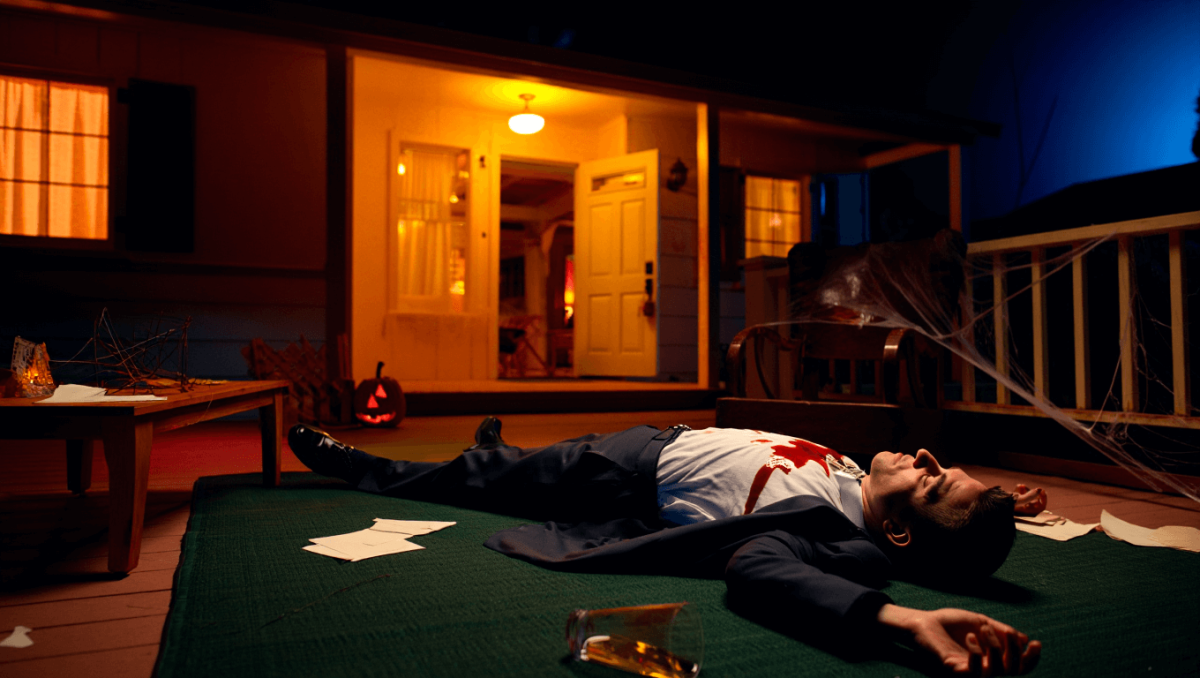
Shortly after 11:30 p.m. on Oct. 31, 1957, 35-year-old Peter Fabiano answered a door he assumed belonged to a tardy trick-or-treater. He was at home with his wife, Betty, when a costumed caller stood on the porch holding a paper bag. Instead of candy, the bag contained a .38-caliber revolver.
Bronwyn Newport’s mystery man revealed: he’s a married NYC restaurateur
Duncan Sheik cause of death revealed: what killed the barely breathing singer
The gun was fired at close range. Betty heard a sharp noise and rushed into the living room with her teenage daughter. Peter was on the floor, clutching his torso. A neighbor two doors down, a police officer, was summoned and an ambulance arrived. Fabiano was declared dead at the hospital. The coroner later reported massive internal bleeding from a gunshot wound to the abdomen.
The scene offered no obvious motive. The family home showed no sign of a struggle. The shooter had vanished into the night. Witnesses would later recall hearing a car speed away from the neighborhood minutes after the shot.
Early evidence that guided investigators
Police began with the immediate facts and a handful of odd details.
- Betty reported hearing two voices outside; she later said one sounded like an attempt to imitate a woman.
- A local teenager, still out trick-or-treating, said he saw a car race away from the area at high speed.
- Dirt samples taken from a suspect vehicle would later be compared to soil at the Fabianos’ home.
These fragments framed the inquiry but did not answer the central question: who wanted Peter Fabiano dead, and why?
Who was Peter Fabiano and could he have enemies?
Fabiano was a World War II Marine veteran who owned a pair of beauty salons with his wife. The couple had a mixed family: Betty brought two children from a previous marriage into the household.
Investigators searched for possible motives in his past. They found a 1948 conviction for illegal bookmaking when he worked as a bartender. That record prompted a brief look into organized crime links, but detectives later discounted any connection to a wider mob conspiracy.
Friends and relatives described the Fabianos as respected and prosperous in their San Fernando Valley community. Few people appeared to have a reason to want him dead.
Suspicion turns toward a broken friendship
Detectives shifted focus to an interpersonal triangle that had developed in the months before the shooting.
During a short separation from her husband, Betty had stayed with a friend, Joan Rabel, a photographer who worked part-time at one of the salons. The marriage eventually reconciled, but Peter allegedly insisted Betty cut off all ties with Rabel.
Rabel denied any role in the killing. But witnesses and physical evidence began to point toward her involvement.
- Margaret Barrett, a friend of Rabel’s, said Rabel had borrowed her car on Halloween and returned with more miles on the odometer than she claimed.
- Soil from the borrowed vehicle showed similarities to dirt from the Fabiano property.
- The description of a speeding car matched the make and color of the vehicle Rabel had used that night.
Rabel was arrested in mid-November on suspicion of murder and released on bail pending further proceedings.
The gun, the buyer and the crucial tip
A downtown tip led investigators to a pay locker in a department store. Inside was a .38-caliber Smith & Wesson revolver containing a single live round. Ballistics tests matched it to the bullet that killed Fabiano.
Tracing the gun purchase sent detectives to a Pasadena firearms shop. The purchase record showed the buyer as a divorced hospital clerk named Goldyne Pizer, not Joan Rabel. Pizer had bought the revolver and just two bullets.
That discovery shifted the case. Pizer was brought in for questioning and eventually confessed to pulling the trigger. But her confession raised another puzzle: why had she killed a man she said she never met?
Jealousy, manipulation, and an unlikely accomplice
Pizer told police that for months a friend had been railing against Peter Fabiano.
She alleged that Joan Rabel painted Fabiano as a cruel, destructive figure. Rabel, according to Pizer, insisted that only Fabiano’s removal would end his supposed misdeeds. Over time, Pizer said she grew to hate him intensely.
Rabel reportedly convinced Pizer to act and provided money to buy a gun. The pair debated methods, considered poison, and settled on shooting. On Halloween, Rabel drove Pizer to the neighborhood. Pizer walked up the walkway, rang the bell, and fired when the door opened. Rabel then drove off at speed.
Pizer later compared Rabel’s influence to a hypnotic hold. Newspaper writers at the time called Rabel a manipulative figure. Rabel, for her part, continued to deny involvement in public statements.
Legal fallout and later lives of those involved
Both women were charged and faced grand jury indictments. Pizer initially pled insanity despite her confession. Rabel pleaded not guilty.
Before a full trial began, both women accepted plea deals to reduced charges of second-degree murder. Each received sentences that ranged from five years to life.
- Neither appears to have served a literal life term.
- Records later show Rabel and Pizer resumed civilian lives in Los Angeles.
- Pizer remained publicly active; she was listed in a 1971 notice as secretary of a local chapter of a professional women’s organization.
Betty Fabiano lived until 1999. Public records do not show that any of the three principal women remarried after the events.
Unanswered questions that still linger in Sun Valley
Although the legal case closed with guilty pleas, aspects of the story remain ambiguous. Police summarized the prime motive as jealousy, but they did not elaborate on the exact nature of the relationships involved.
Tabloid speculation at the time suggested intimate entanglements. Those who knew the women did not publicly confirm any such details, and the deeper motivations behind the extreme escalation were never fully explained.
The murder has endured as a local cautionary tale. Decades later, Sun Valley residents still recall the night a late knock cost a man his life and exposed a web of obsession and influence.