Show summary Hide summary
On day 28 of the partial government shutdown, House Speaker Mike Johnson drew fresh criticism after telling reporters he’s exhausted from long hours. The remark set off a wave of responses from lawmakers and social media, where many contrasted his fatigue with the hardships facing millions during the funding lapse.
Speaker’s comment and how it landed in Washington
At a morning briefing, Johnson said he has been running on little sleep and working extra hours. His tone framed the shutdown as a grind for leadership.
Sophia Laforteza of Katseye announces hiatus: comes months after Manon Bannerman’s exit
Delta to return to Tokyo Narita hub in 2027: 7-year comeback
The exchange quickly became a lightning rod for opponents who argued that rank-and-file lawmakers and families affected by the shutdown are bearing the real cost.
How much has Congress actually met recently?
Reporting from the Atlanta Journal-Constitution put the Speaker’s claim in context. Over the past 16 weeks, the House has convened for roughly 20 legislative days.
That detail intensified criticism. Observers said the record of attendance and votes undercuts claims of nonstop labor in the Capitol.
Lawmakers publicly push back
Members across the aisle seized on Johnson’s remark to highlight the shutdown’s human toll.
- One Democratic congressman derided the complaint and pointed to constituents at risk of losing health coverage and food benefits.
- Another member of Congress amplified images from the House floor to underline the political theater surrounding the shutdown.
Critics asked whose sleep matters more: the political leaders’ or families facing real economic harm.
Social media and cable hosts amplify the story
The clip spread rapidly online. Replies skewed toward ridicule, with many users noting the contrast between the Speaker’s phrasing and his recent attendance record.
Notable online reactions
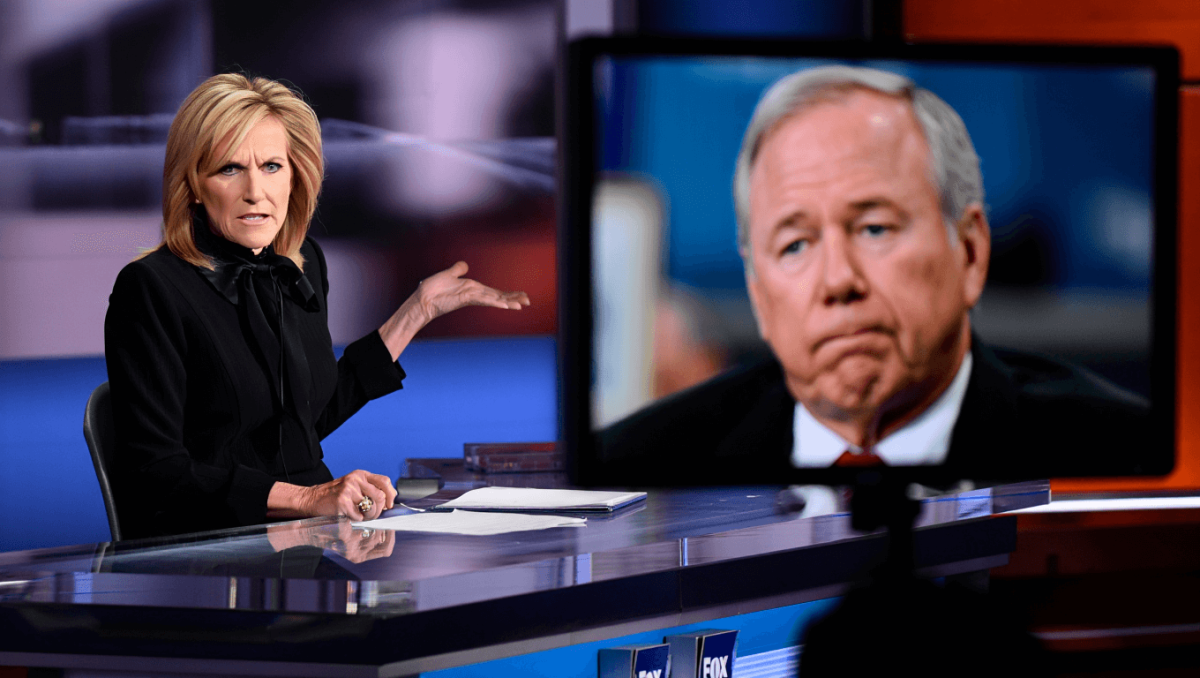
- A viral Fox News commentator reacted with disbelief, noting the House met only a few dozen days in months.
- Other users posted short videos and images mocking the notion of being “so tired” while the shutdown continues.
- Some posts used humor to make a political point, including quips about needing a vacation after a vacation and similar riffs.
The debate on social platforms became a mix of mockery and serious calls to address the immediate needs of people affected by the lapse in funding.
Why the reaction matters for the shutdown narrative
Public perception of who is sacrificing during the shutdown shapes pressure on lawmakers. Moments like this one feed larger stories about priorities on Capitol Hill.
As the shutdown extends, both messaging and optics will continue to influence negotiations and voter sentiment.