Show summary Hide summary
- Why athletes are sharing images of damaged Olympic medals
- Standout examples: athletes whose medals made headlines
- How and why Olympic medals break
- What sports organizations and the IOC are saying
- How damaged medals are fixed or replaced
- Why these images go viral
- Design implications for future Olympic medals
- Fan reaction and community conversations
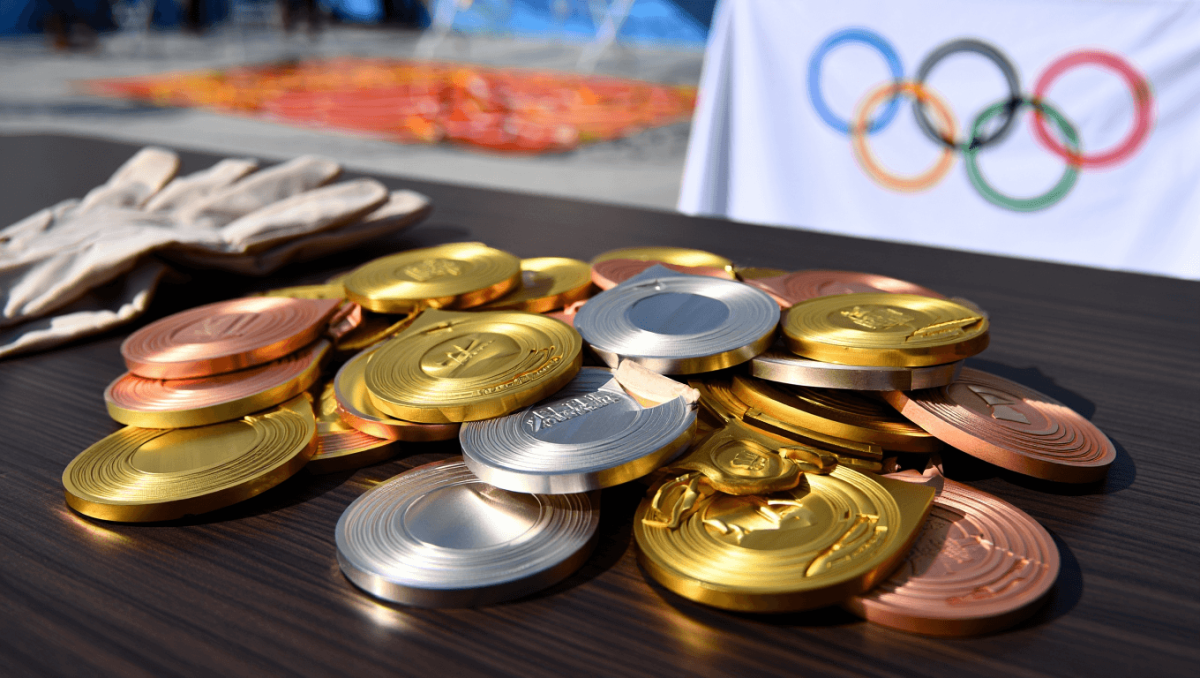
Photos of Olympic medals snapped, bent, and split have been circling the web, catching the public’s eye and sparking fresh conversations about the objects athletes cherish. What began as a handful of images from social feeds has turned into a broader look at how these symbols wear, break, and sometimes tell stories beyond the podium.
Why athletes are sharing images of damaged Olympic medals
Posting a broken medal is rarely about boasting. For many competitors, it’s a way to document a moment that changed them. Fans see the shine. Athletes see the journey.
Sophia Laforteza of Katseye announces hiatus: comes months after Manon Bannerman’s exit
Delta to return to Tokyo Narita hub in 2027: 7-year comeback
- Memory and proof: A cracked medal can validate the sacrifices made.
- Trust and transparency: Some athletes show damage to explain how equipment failed.
- Awareness: Sharing can push for better medal handling and clearer protocols.
Standout examples: athletes whose medals made headlines
Several high-profile cases gave this trend momentum. Their stories are diverse. Each reflects different sports and circumstances.
Track and field moments
- One sprinter posted a snapped ribbon and dented metal after a celebratory tumble.
- A jumper showed surface cracks from a fall into track barriers.
Gymnastics and physical strain
- Gymnasts reported bent medals after routine exchanges and rigorous training.
- Some images revealed solder joints splitting under repeated stress.
Team sports and transit mishaps
- Teams have lost or damaged medals in luggage or during celebratory parades.
- Photos often show scuffed edges and broken clasps after travel.
How and why Olympic medals break
Medals are durable but not indestructible. Several factors commonly lead to failure.
- Physical impact: Drops, falls, or collisions can dent or crack metal.
- Tensile stress: Straps and clasps may fail when pulled or snagged.
- Corrosion and wear: Sweat and moisture can weaken surfaces over time.
- Poor handling: Improper storage or rough celebration often does the damage.
What sports organizations and the IOC are saying
Officials have responded with a mix of reassurance and caution. Some federations offer repair services. Others issue guidance on care.
- National Olympic committees often replace medals lost to theft or extreme damage.
- The IOC has procedures for verifying and replacing original medals in exceptional cases.
- Many athletes are advised to insure their medals or use secure storage.
How damaged medals are fixed or replaced
Repair options vary by damage type and the credentialing body involved.
- Minor repairs: Polishing, rebending, and clasp replacement restore appearance.
- Soldering and reinforcement: Used for cracks near attachment points.
- Replacement medals: Issued when originals are lost or deemed irreparable.
- Certification checks: Replacements often require proof and verification.
Why these images go viral
Broken medals feed several emotional currents online. People react to the rawness of the photo and the human story behind it.
- They show vulnerability behind elite performance.
- They spark debates about durability and design.
- They become symbolic shorthand in wider cultural conversations.
Design implications for future Olympic medals
Manufacturers and committees may rethink materials and construction. Durability could become a bigger priority.
- Stronger alloys or reinforced attachments.
- Improved ribbons and clasps to reduce stress points.
- Guidelines for athlete care to extend medal life.
Fan reaction and community conversations
Social feeds show a mix of sympathy, surprise, and practical advice. Collectors and former athletes join in.
- Some suggest DIY fixes and local jewelers.
- Others call on federations to act faster on replacements.
- Comments often emphasize the emotional value over material loss.