Show summary Hide summary
- Bethenny Frankel’s blunt reaction to the episode
- What happened on RHOBH: Rachel Zoe and her children
- Why Frankel says producers matter
- Responses from Rachel Zoe’s circle and show representatives
- Context: Zoe’s divorce and her RHOBH debut
- Broader concerns about children and reality television
- What this debate means for reality TV
Bethenny Frankel sounded alarm bells after watching a recent Real Housewives of Beverly Hills scene in which Rachel Zoe talks to her children about filing for divorce. Frankel said the moment crystallized the ethical tensions of filming family pain for public entertainment.
Bethenny Frankel’s blunt reaction to the episode
On TikTok, Frankel did not hold back. She described the sequence as “f–ked up” and said it left her unsettled. The former Real Housewives of New York City star said the scene made the potential harm of reality TV painfully clear.
Sophia Laforteza of Katseye announces hiatus: comes months after Manon Bannerman’s exit
Delta to return to Tokyo Narita hub in 2027: 7-year comeback
Frankel framed her remarks through the lens of personal experience. After a high-profile split from Jason Hoppy, she said she understands how producers and cameras can push people’s lives into a performative space.
What happened on RHOBH: Rachel Zoe and her children
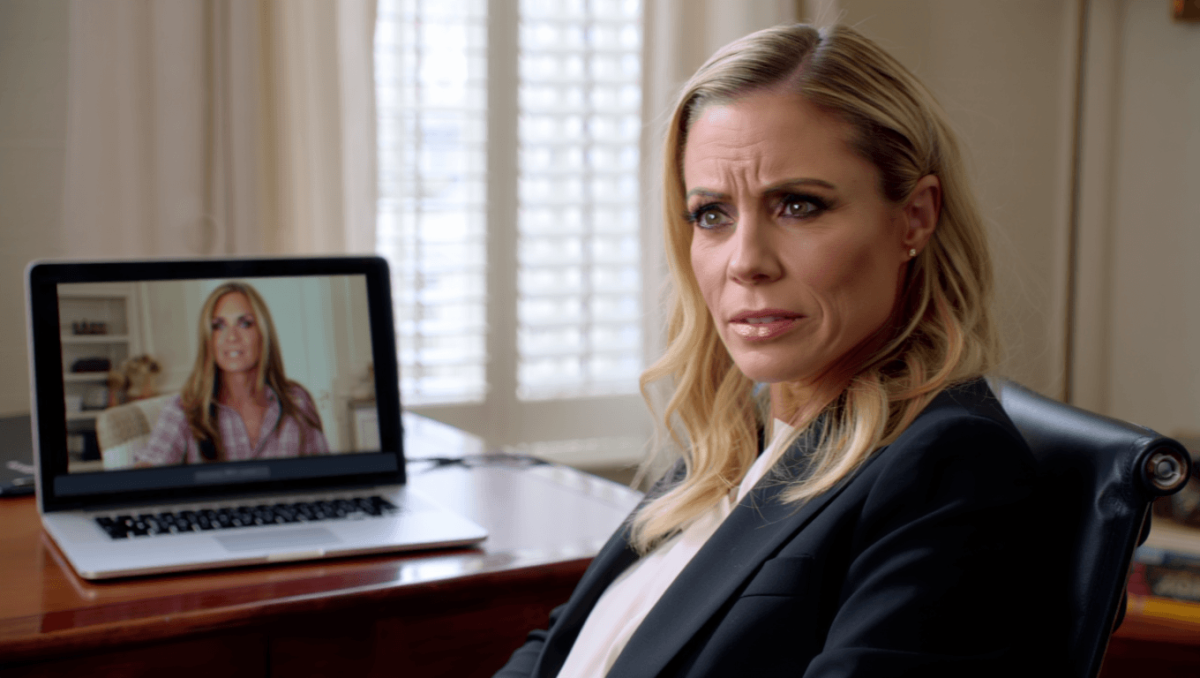
In the episode, fashion designer Rachel Zoe tells her sons she officially filed for divorce from Rodger Berman. Zoe, a new cast member on Season 15, says she wants an “open forum” with her children when discussing the split.
- Her older son, Skyler, is a young teen.
- Her younger son, Kaius, asked if their mother still loved their father.
- Zoe said she had filed legal paperwork and was no longer in love with Berman.
The family moment plays out on camera, a point that Frankel says raises questions about consent and the wellbeing of adolescents filmed during emotional conversations.
Why Frankel says producers matter
Frankel argued that producers often shape what appears spontaneous. She suggested the scene was likely prompted by production, saying cast members are sometimes steered toward certain topics.
- Producers may request sensitive conversations to be aired for drama.
- Participants can feel compelled to comply for visibility or contracts.
- Children are especially vulnerable when family disputes are staged on camera.
She recalled her own time on reality TV where personal pain was broadcast and monetized. Frankel warned the cost can be emotional and long-lasting.
How family members are positioned on reality shows
Frankel pointed out that adolescents are still developing. Asking them to describe divorce feelings on camera can be invasive. She said putting children in that role often serves ratings more than healing.
Responses from Rachel Zoe’s circle and show representatives
Page Six contacted Zoe and Bravo for comment. A person close to Zoe told reporters that she prioritizes parenting and talks openly with her children about the divorce.
Another source, described as a business contact, pushed back at the idea that Zoe joined the show for money. They emphasized her commercial success and investments, noting she did not need the paycheck.
Context: Zoe’s divorce and her RHOBH debut
Zoe filed for divorce from Berman in July 2025 after a long marriage. She joined the RHOBH cast this season.
The on-air exchange with her sons follows years of public scrutiny and now appears in the show’s coverage of her personal life.
Broader concerns about children and reality television
Frankel’s comments fed into a wider debate about the ethics of including minors in reality programming. Critics and supporters often clash over whether transparency helps families cope or exploits them.
- Potential harms: emotional exposure, long-term privacy loss, public judgment.
- Claims of agency: some parents say openness fosters communication and resilience.
- Production pressures: contracts, ratings goals, and editorial framing can push scenes toward drama.
Frankel urged viewers to consider the personal price paid when grief or legal battles become televised. She said watching the Zoe scene stirred memories of what it felt like to have private pain edited for an audience.
What this debate means for reality TV
The exchange highlights tensions between storytelling and responsibility. As families continue to appear on unscripted television, calls for clearer safeguards grow louder.
Frankel’s take is one high-profile voice in a larger conversation about consent, childhood, and how much the camera should influence family life.