Show summary Hide summary
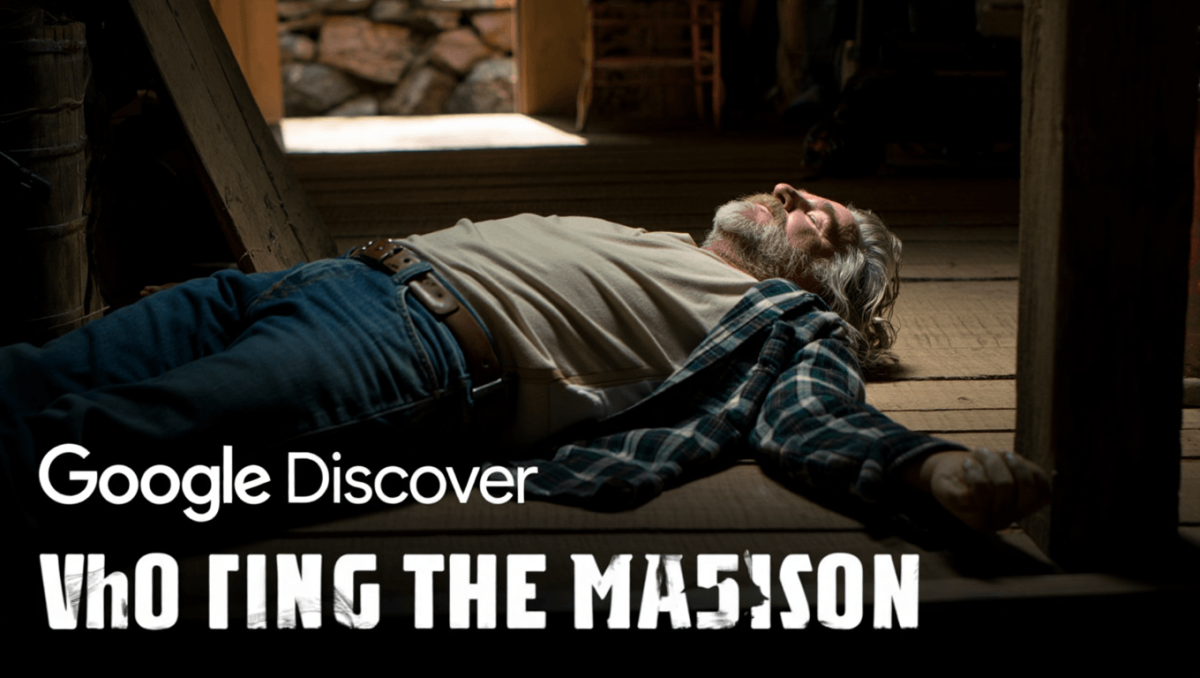
Warning: spoilers ahead. Taylor Sheridan’s new Paramount+ drama, The Madison, opens with a punch: a familiar face on the poster, then a sudden death that upends expectations. Viewers tuned in expecting Kurt Russell to anchor the series, only to see his character removed in the pilot. That shock is the kind of narrative gamble TV writers sometimes take to reset stakes and redefine a show’s emotional center.
Why The Madison’s pilot stunned audiences and reshaped the story
The Madison centers on Stacy (Michelle Pfeiffer) and her adult daughters. The family must reckon with the fallout after a plane crash kills Stacy’s husband, Preston, and his brother. Kurt Russell’s Preston appears integral — then dies early. That bold move reframes the series as a grief drama rather than a vehicle for its marquee star.
Sophia Laforteza of Katseye announces hiatus: comes months after Manon Bannerman’s exit
Delta to return to Tokyo Narita hub in 2027: 7-year comeback
- Platform: streaming on Paramount+.
- Tone: family grief mixed with investigative mystery.
- Impact: the pilot repositions surviving characters as the emotional core.
Other series that surprised viewers by killing or sidelining presumed leads
Television has a long history of bait-and-switch moments. Below are notable examples where shows killed off or drastically altered key characters very early.
Big Sky (ABC) — a lead is taken in episode one
David E. Kelley’s thriller debuted with a trio of central figures: Cody Hoyt, Cassie Dewell, and Jenny Hoyt. Ryan Phillippe’s Cody was heavily promoted. Then, in a twist, his character was killed in the pilot. The shock shifted the story and left fans debating the show’s promotional choices.
- Main actors initially marketed as anchors included Ryan Phillippe and Katheryn Winnick.
- Character fate: Cody is fatally shot in early action, signaling no one is safe.
- Aftermath: the series leaned into unpredictability to maintain suspense.
Yellowstone — a family saga shaken by an early loss
Taylor Sheridan’s breakout Western drama began as a portrait of the Dutton family and their sprawling ranch. Early in the series, a promising young son is killed during a violent cattle recovery. The death underlined the show’s ruthless tone and the physical danger surrounding the family’s way of life.
- Series focus: family, land disputes, and power struggles.
- Effect of the death: established a pattern of sudden, consequential loss.
The Beauty (Ryan Murphy) — a lead is transformed, not killed
Ryan Murphy’s sci-fi body-horror series played with audience assumptions in a different way. Rebecca Hall’s FBI agent appeared to be a central protagonist before the storyline fractured her role. In episode two, the character becomes infected and is recast in a new, unsettling persona. It’s a bait-and-switch that changes who viewers root for.
- Genre: sci-fi with horror and procedural elements.
- Twist: a leading actor’s role is altered through plot devices rather than death.
- Result: the show subverts hero expectations and explores identity.
Lost — establishing that no one is safe
ABC’s island mystery introduced a large ensemble after a plane crash. Early on, a supporting but sympathetic character dies from injuries sustained in a fall. That early loss taught viewers the series wouldn’t preserve familiar faces for comfort. The choice helped create constant suspense.
- Ensemble cast meant shifting narrative focus was possible.
- First major death signaled the show’s willingness to be unpredictable.
Game of Thrones — the moment television history paused
HBO’s fantasy epic used brutal surprises as a storytelling engine. In season one, a man who reads like the story’s moral center is executed in a courtroom spectacle. Sean Bean’s character’s sudden demise shocked viewers and demonstrated that the series would not follow standard hero protections.
- Impact: the execution reshaped audience expectations for all subsequent episodes.
- Legacy: the scene remains one of TV’s most discussed early twists.