Show summary Hide summary
- How a desperate video ignited a national debate
- What reportedly happened in the hospital room
- Why the story resonated beyond political lines
- Online reaction: empathy, anger, and hostility
- Legal and advocacy options being explored
- How hospitals and law enforcement intersect
- What experts say about enforcement of vulnerable patients
- How the incident might shape public discourse
- What to watch next in the unfolding story
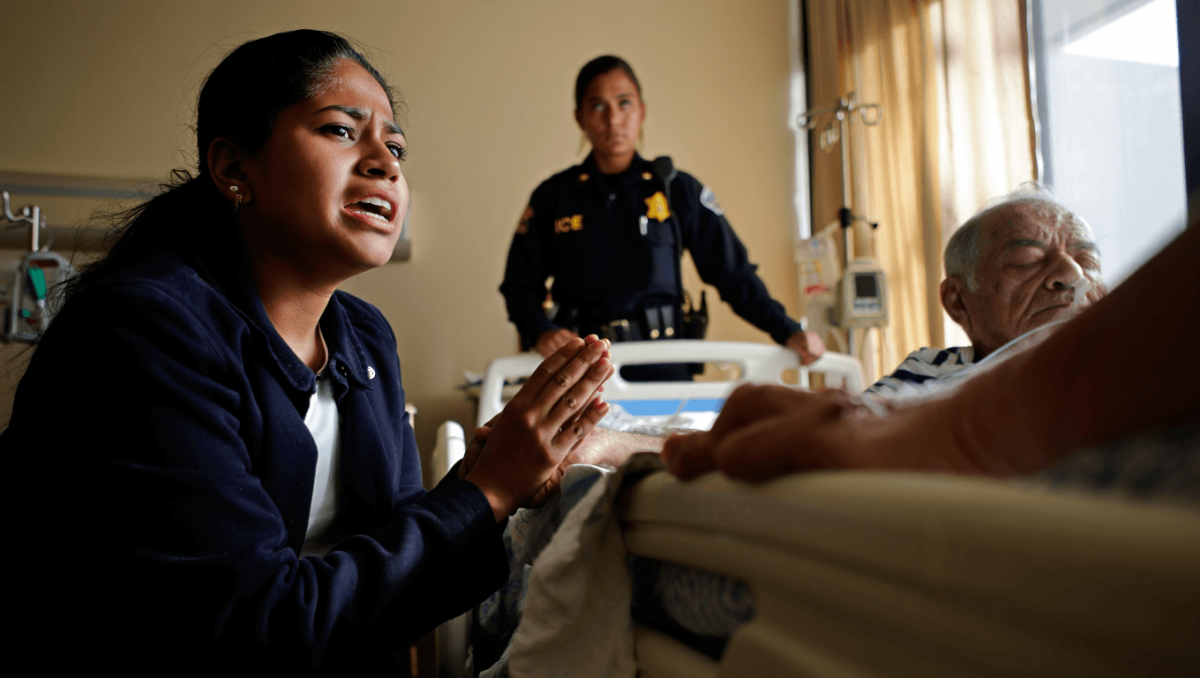
She had supported the policies of a president who pledged to crack down on immigration. Now she was posting a video begging for mercy after Immigration and Customs Enforcement picked up her father from a hospital bed while he was dying. The footage and her plea spread quickly online, and the reaction was brutal, cutting across political lines.
How a desperate video ignited a national debate
A short clip shared on social platforms captured the rawness of the moment. In it, a woman explains that her elderly father was admitted to a hospital with severe illness. Medical staff were treating him when federal agents arrived and took him into custody.
Sophia Laforteza of Katseye announces hiatus: comes months after Manon Bannerman’s exit
Delta to return to Tokyo Narita hub in 2027: 7-year comeback
The post included a plea for assistance and a question many found hard to ignore: how does enforcement work when a patient is terminal?
The video pulled in millions of views and triggered a cascade of comments, news stories, and advocacy calls. For some viewers, the story confirmed long-held fears about rigid immigration enforcement. For others, it raised questions about accountability in medical and law enforcement coordination.
What reportedly happened in the hospital room
Accounts vary, but central details emerged quickly.
- The man was at a hospital receiving treatment for a life-threatening condition.
- ICE agents entered the facility with documentation and took him into custody.
- His daughter, who had previously supported strong immigration policies, lodged an emotional public appeal.
The hospital echoed standard practice: medical facilities often allow law enforcement on site, but policies differ on whether arrests should occur during treatment. Doctors and nurses said the man was weak and possibly near death, adding to the moral discomfort people expressed online.
Why the story resonated beyond political lines
The narrative touched several fault lines: immigration enforcement, public health, and personal loyalty.
- People who favor strict border policies still balked at images of a dying man taken from a hospital.
- Opponents of aggressive enforcement used the case to argue for more humane exceptions.
- Neutral observers debated whether policy should ever override bedside care.
The woman’s former political stance made the episode surprising to many. Her transformation from supporter to plea-bearer underscored how enforcement can produce unlikely allies for reform.
Online reaction: empathy, anger, and hostility
Social media churned with mixed responses. Some users expressed deep sympathy for the family. Others responded with harsh condemnation.
Types of responses
- Sympathetic messages offering prayers and calls for legal help.
- Angry comments accusing the woman of hypocrisy for once backing the policies now affecting her family.
- Calls for information, petitions, and coordination with immigrant-rights organizations.
Several posts were particularly unforgiving, using the story to attack the woman personally. Meanwhile, other accounts focused on systemic questions. The tone ranged from mournful to merciless.
Legal and advocacy options being explored
After the video circulated, community groups and lawyers mobilized. They outlined potential avenues to challenge the detention.
- Emergency petitions requesting compassionate release or medical parole.
- Urgent appeals to immigration courts citing grave health conditions.
- Public-pressure campaigns targeting local ICE field offices and hospital administrators.
Immigration attorneys noted the case highlights gaps in enforcement discretion. Compassionate release exists but is applied unevenly, they said. Legal advocates emphasized fast action because medical conditions can change in hours.
How hospitals and law enforcement intersect
Hospitals maintain protocols for interacting with police and ICE. Those policies vary across states and systems.
Key issues in hospital arrests
- Patient privacy and HIPAA concerns.
- Whether arrests should wait until discharge or stabilization.
- The ethical obligations of providers caring for critically ill patients.
Medical professionals warn that arrests can disrupt care and endanger patient outcomes. Hospitals face pressure to balance legal compliance and duty of care. Staff often feel caught between the two.
What experts say about enforcement of vulnerable patients
Policy analysts point to existing guidelines that recommend exercising discretion.
- Priority is usually given to high-risk criminal cases, not medical patients.
- Some jurisdictions have memos limiting arrests in certain facilities.
- Yet operational practices can differ widely from written policy.
Advocates argue that better safeguards are needed to prevent trauma in sensitive settings. Critics insist agencies must follow the law but also apply compassion.
How the incident might shape public discourse
The episode quickly became a flashpoint in the larger immigration discussion.
- It humanized the consequences of strict enforcement for undecided observers.
- It intensified scrutiny of ICE operational decisions and oversight.
- It prompted local officials to reexamine protocols and communication strategies.
The viral nature of the plea shifted the conversation from abstract policy to a bedside crisis many people found impossible to ignore.
What to watch next in the unfolding story
Several developments could follow quickly.
- Legal filings seeking immediate release or medical exceptions.
- Responses from ICE or hospital officials explaining the detention.
- New social media campaigns or petitions aimed at mobilizing help.
Community leaders are also urging calm while pushing for transparent answers.