Show summary Hide summary
Tiger Woods’ recent rollover crash and subsequent DUI arrest in Florida have prompted blunt reactions from fellow golfers and broadcasters. As fans and colleagues weigh the incident, calls for accountability and concern over his long-term well-being have grown louder.
Teammates and commentators call for accountability
Voices from the golf world urged consequences after the accident that left Woods facing charges. Former PGA pro Mark Lye told a national morning show that sympathy is natural, but not a substitute for consequence.
Sophia Laforteza of Katseye announces hiatus: comes months after Manon Bannerman’s exit
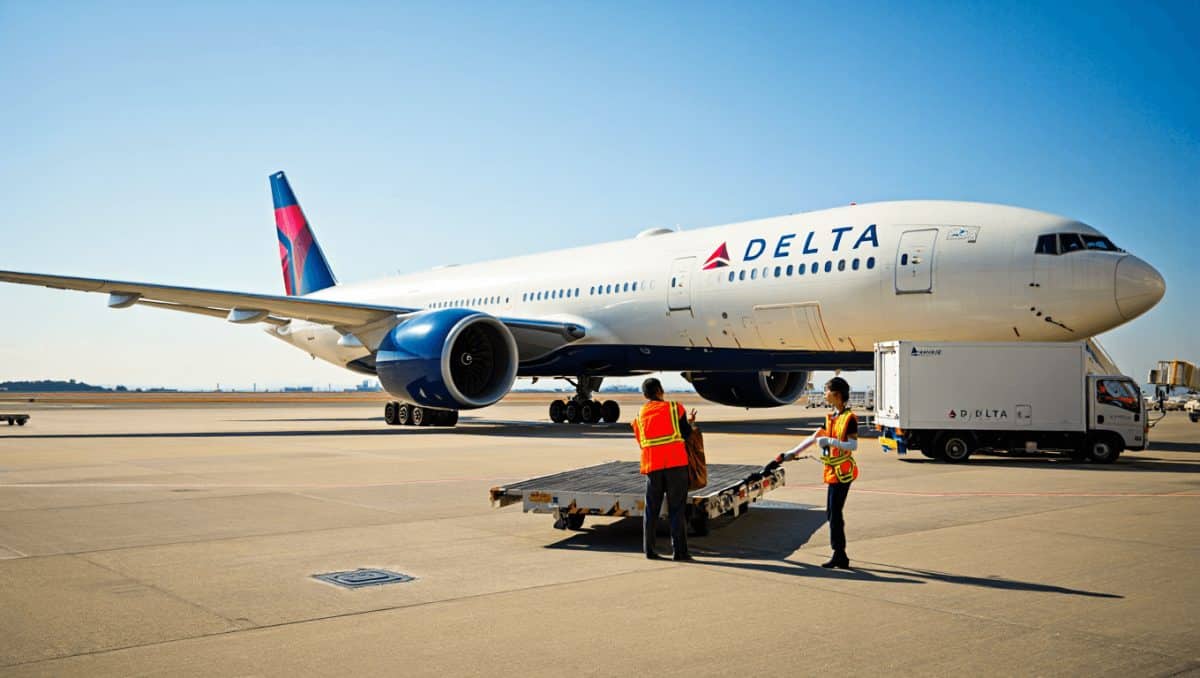
Delta to return to Tokyo Narita hub in 2027: 7-year comeback
- Lye insisted there must be a measurable response, suggesting a suspension or other disciplinary steps.
- PGA Tour announcer Doug Bell echoed those concerns, calling the event troubling and part of a developing pattern.
- Both men acknowledged gratitude that Woods was not more badly hurt in Friday’s crash.
What authorities say about the Jupiter Island crash
Officials say the incident occurred just after 2 p.m. when Woods’ Land Rover clipped the trailer of a pressure-cleaning truck, lost control, and rolled.
- Investigators reported Woods crawled from the vehicle and was seen using a phone at the scene.
- He displayed what deputies described as signs of impairment.
- Woods produced a negative breath test but refused to submit to a urinalysis, authorities said.
- He was arrested on charges including DUI with property damage and refusal of a lawful test, then released overnight.
Peers’ concerns: discipline, health and public image
Comments from the golf community blended sympathy with urgency. Many framed their remarks around two threads: the need for personal responsibility and the health toll of long-term injuries.
Calls for limits and contractual repercussions
Some fear that without firm consequences, personal troubles could worsen. Industry watchers pointed to standard morals clauses in athlete contracts as a possible lever for action.
Health and recovery as factors
Speakers also noted Woods’ history of serious injuries. One broadcaster suggested a break from competition could help him recover mentally and physically.
Woods’ history of crashes and legal issues
The recent arrest is not the first time Woods has faced public scrutiny over driving incidents. A brief timeline shows a pattern that has spanned more than a decade:
- 2009: A high-profile crash during a personal scandal left him briefly unconscious. Prescription sleep medication was involved.
- 2017: Arrested in Jupiter, Florida, on suspicion of DUI. Tests later found multiple prescription drugs and other substances. He pleaded guilty to reckless driving and received probation and a fine.
- 2021: A severe rollover in Palos Verdes, California, caused extensive leg and other injuries. He underwent multiple surgeries and lengthy rehabilitation.
- 2026: The latest rollover in Florida, followed by charges for DUI with property damage and refusal to submit to a lawful test.
Legal and professional implications ahead
Legal experts say the charges could result in penalties depending on how the case proceeds. Separately, sponsors and tour officials may evaluate contractual and reputational risks.
- Criminal outcomes could include fines, probation, or other court-ordered measures.
- Sports organizations might review eligibility, discipline, or other sanctions tied to conduct clauses.
- Public statements from Woods’ representatives were not immediately available following the arrest.
Reactions underscore stakes for a celebrated athlete
Supporters lament the possibility that decades of on-course achievement could be overshadowed by off-course issues. Others say accountability and treatment are both necessary.
As investigations continue, the conversation among peers, media, and legal observers centers on whether this incident will prompt corrective action, further scrutiny, or both.