Show summary Hide summary
- Sydney hearing puts actress in the spotlight
- The disputed Bondi Beach bathing incident explained
- Social posts and the defamation claims
- Arguments from each legal team
- Evidence, tone and courtroom rhetoric
- Related legal matters and wider implications
- Practical details about the trial and public access
- What to watch as the case unfolds
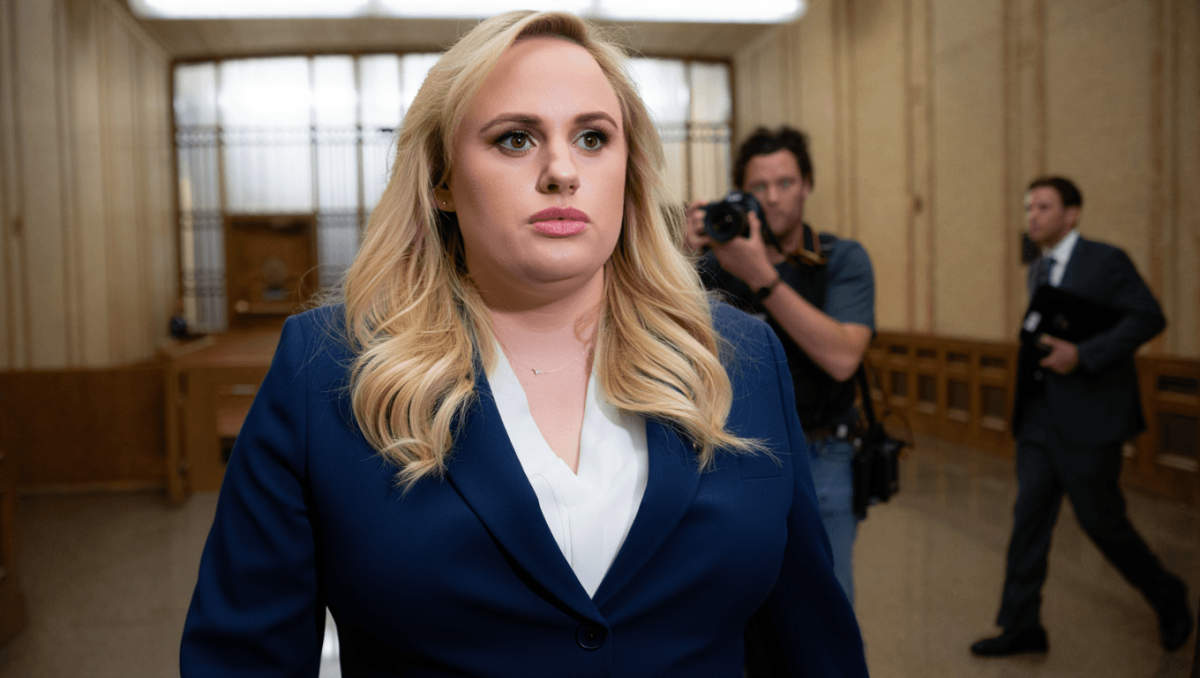
Rebel Wilson walked into a Sydney courtroom this week as a high-profile defamation trial drew fresh attention to a private incident on Bondi Beach. The case has turned into a polarizing public drama, with accusations of bullying and counterclaims about career incentives fueling a messy legal fight.
Sydney hearing puts actress in the spotlight
The “Pitch Perfect” star faced Charlotte MacInnes on Monday over allegations that Wilson damaged the younger actress’s reputation. The dispute centers on social media posts and public statements that MacInnes says wrongly portrayed her actions and motives.
Sophia Laforteza of Katseye announces hiatus: comes months after Manon Bannerman’s exit
Delta to return to Tokyo Narita hub in 2027: 7-year comeback
The courtroom exchanges have been sharp. MacInnes’s lawyer told the judge Wilson behaved like a bully when she criticized the actor online. That label has become a focal point in the proceedings.
The disputed Bondi Beach bathing incident explained
At the heart of the lawsuit is an episode in 2023. After swimming at Bondi Beach, Charlotte MacInnes and producer Amanda Ghost returned to an apartment, where an altercation over health and consent unfolded.
What happened that day
- Amanda Ghost reportedly experienced a severe reaction after the cold water. Medical testimony describes cold urticaria, a condition that can cause hives and shaking when exposed to cold.
- MacInnes, wearing her swimwear, is said to have assisted Ghost and shared a bath with her to help warm her.
- Those involved offer conflicting accounts about whether any request or behavior during the bath made MacInnes uncomfortable.
Social posts and the defamation claims
MacInnes alleges that Wilson posted defamatory comments on Instagram that suggested the young actress recanted an initial complaint after receiving career offers from Ghost.
Wilson’s statements included claims that MacInnes had told her the bathing situation was uncomfortable and later changed her story following industry opportunities. MacInnes denies those assertions.
Arguments from each legal team
MacInnes’s position
- Her lawyer argued Wilson’s posts aimed to humiliate and discredit a young performer.
- The defense called Wilson’s behavior public shaming, not whistleblowing.
- MacInnes says she never withdrew an allegation in exchange for work.
Wilson’s defense
- Wilson’s lawyer framed the issue as a narrow factual dispute: whether MacInnes told Wilson she felt uncomfortable during the bath and later altered her account.
- The defense also suggested MacInnes benefited professionally after the incident because she aligned herself with Ghost.
- Wilson maintains her posts were based on what she says she was told.
Evidence, tone and courtroom rhetoric
Attorneys traded sharp language during the hearing. MacInnes’s counsel accused Wilson of using public platforms to “slag” a colleague. Wilson’s team pushed back, saying the posts were not meant to harm but to report a troubling account.
The judge will weigh witness testimony, social media content, and testimony about motives and outcomes. The clash has drawn public interest because it mixes celebrity culture with sensitive allegations about power and career advancement.
Related legal matters and wider implications
This trial is not the only legal challenge Wilson faces. Producers of the film at the center of the controversy have also sued her, alleging fabrication of misconduct and financial wrongdoing.
- Producers Gregor Cameron and Vince Holden have filed a separate defamation case.
- Wilson sought to dismiss certain lawsuits via anti-SLAPP motions in U.S. courts.
- A Los Angeles judge recently denied one such motion, keeping parts of the producers’ claims active.
Practical details about the trial and public access
The proceedings are expected to run several days. The hearing schedule calls for nine days in court. For those following the case remotely, the sessions are being streamed publicly, increasing transparency and media coverage.
That visibility has magnified the stakes for everyone involved. High-profile litigation like this can influence reputations long after any verdict.
What to watch as the case unfolds
Key elements to monitor include witness credibility, corroborating evidence about the bathing incident, and whether the court finds the posts intentionally damaging.
- Will testimony support either version of events from 2023?
- Can Wilson show a reasonable basis for her public statements?
- How will the judge rule on claims tied to motive and professional benefit?