Show summary Hide summary
- Why viewers assumed the commercial was generated by AI
- How Quip actually built the spot
- The bigger picture: why AI suspicion is rising in advertising
- Notable brand backlash and examples
- Why consumers react so strongly
- How some brands are managing AI anxiety
- Practical guidance for marketers navigating AI
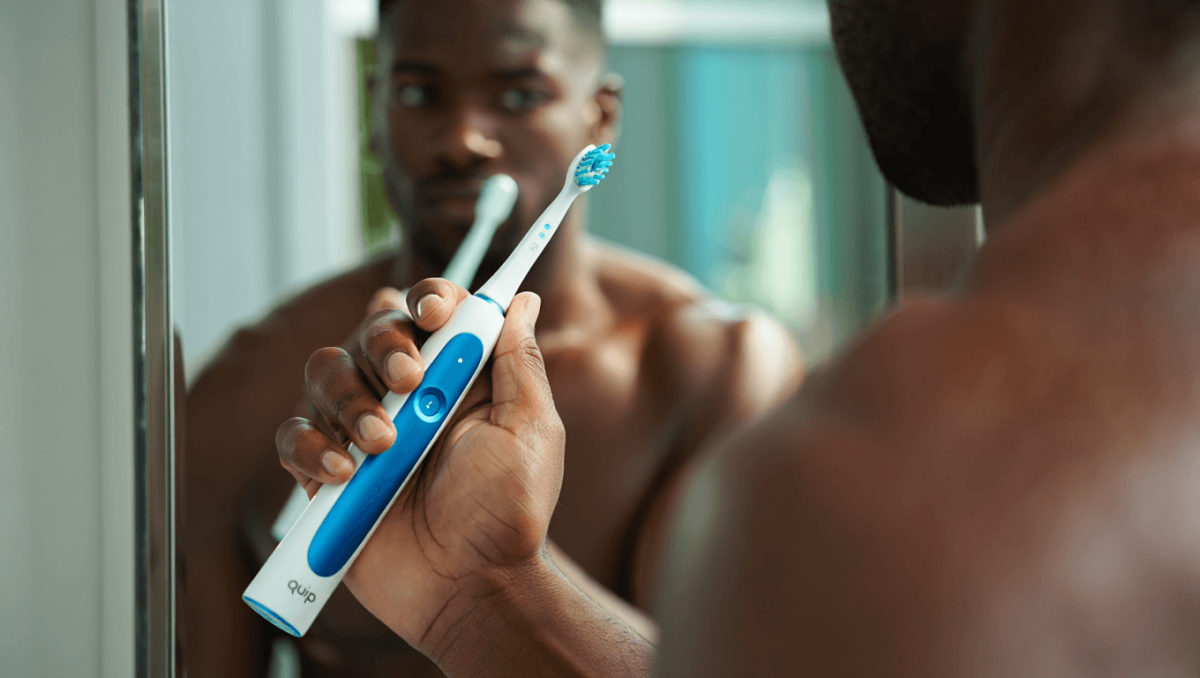
When a short, surreal ad for Quip’s electric toothbrush hit feeds in March, viewers were split. Many assumed the strange visuals were the work of artificial intelligence. The company instead leaned on old-school filmmaking, and the reaction has reignited debate about AI, trust and creativity in brand marketing.
Why viewers assumed the commercial was generated by AI
The 15-second spot mixed absurd imagery with polished design. A figure with a mouth for a head lounges on a shell-shaped daybed while gripping an oversized toothbrush. The dreamlike, slightly uncanny look led many online to leap to one explanation: AI created it.
Sophia Laforteza of Katseye announces hiatus: comes months after Manon Bannerman’s exit
Delta to return to Tokyo Narita hub in 2027: 7-year comeback
- Highly stylized visuals that blur realism and fantasy
- Unusual subject choices that mirror common AI outputs
- Growing public familiarity with AI-generated art
Perception matters: when audiences see images that feel “off,” their first instinct is often to blame algorithmic tools.
How Quip actually built the spot
Hands-on production instead of code
Quip revealed the campaign’s making to show it used physical methods. The team built miniature sets, hired an actor, and created a custom prosthetic mouth piece.
Filming and finishing touches
- Shooting on a blue screen to layer elements later
- Using practical props and models to craft scale and texture
- Compositing footage to create the final surreal environment
The takeaway: the final effect came from human craft, not generative models.
The bigger picture: why AI suspicion is rising in advertising
AI-generated content is now common online. Platforms struggle to keep up with rapid improvements in tools. That makes it harder for users to tell what was made by people and what was made by machines.
- Social platforms are starting to require AI disclosures.
- Labeling systems are uneven and can be bypassed.
- Consumers are growing skeptical of authenticity in ads.
Survey data shows a wide trust gap. Many people regularly question whether the content they see online is real. A sizable share say they prefer brands that avoid generative AI for customer-facing messages.
Notable brand backlash and examples
Several well-known companies have faced criticism for using AI without clear credit. That backlash has put marketing departments on notice.
- One apparel brand was called out after an ad showed signs of AI hallucination and later updated its credits.
- Big names like Coca-Cola, Levi Strauss and McDonald’s have each confronted consumer pushback.
Result: brands must weigh creative efficiency against reputational risk.
Why consumers react so strongly
Experts link anger at brands to deeper concerns about automation. People worry AI will replace jobs and change industries fast. Marketing becomes a visible battleground for those fears.
- Fear of displacement and loss of human craft
- Desire for authentic, human-made content
- A sense of agency: calling out brands feels like taking action
Marketing sits on the frontline of brand-consumer interaction. When ads seem machine-made, many feel the company crossed an unspoken line.
How some brands are managing AI anxiety
Companies are choosing different paths. Some promise not to use AI for imagery of people. Others emphasize behind-the-scenes storytelling to prove human involvement.
- An intimates brand publicly pledged never to use AI to create human bodies in ads.
- A tech giant released a holiday spot made with puppets and shared footage showing every element was handcrafted.
- Quip avoids AI where accuracy is critical, like product demos, but uses it for variations and repetitive tasks.
Key strategy: transparency and selective use of AI help brands keep trust while gaining efficiency.
Practical guidance for marketers navigating AI
Balancing innovation with authenticity requires deliberate choices. Clear policies and visible proof of human work can reduce backlash.
- Disclose when AI is used in campaigns.
- Show behind-the-scenes content to demonstrate craft.
- Reserve AI for tasks where it won’t undermine trust.
- Set internal guardrails and review processes.
Execution matters: a knee-jerk rejection of AI or full reliance on it both carry risks for brand perception.