Show summary Hide summary
The fallout from the photos of Mike Vrabel and Dianna Russini in Sedona has widened, drawing the New England Patriots and owner Robert Kraft into a controversy once thought private. New reporting suggests the team moved quickly behind the scenes to limit the story’s reach, while the players, reporters, and outlets involved scrambled to control the narrative.
Pressure on the press: how the story’s timing became a battleground
According to new accounts, the New York Post gave Vrabel more time than usual to respond to their inquiry. That extra window, the reports say, opened an opportunity for the Patriots’ ownership to lobby the newspaper.
Sophia Laforteza of Katseye announces hiatus: comes months after Manon Bannerman’s exit
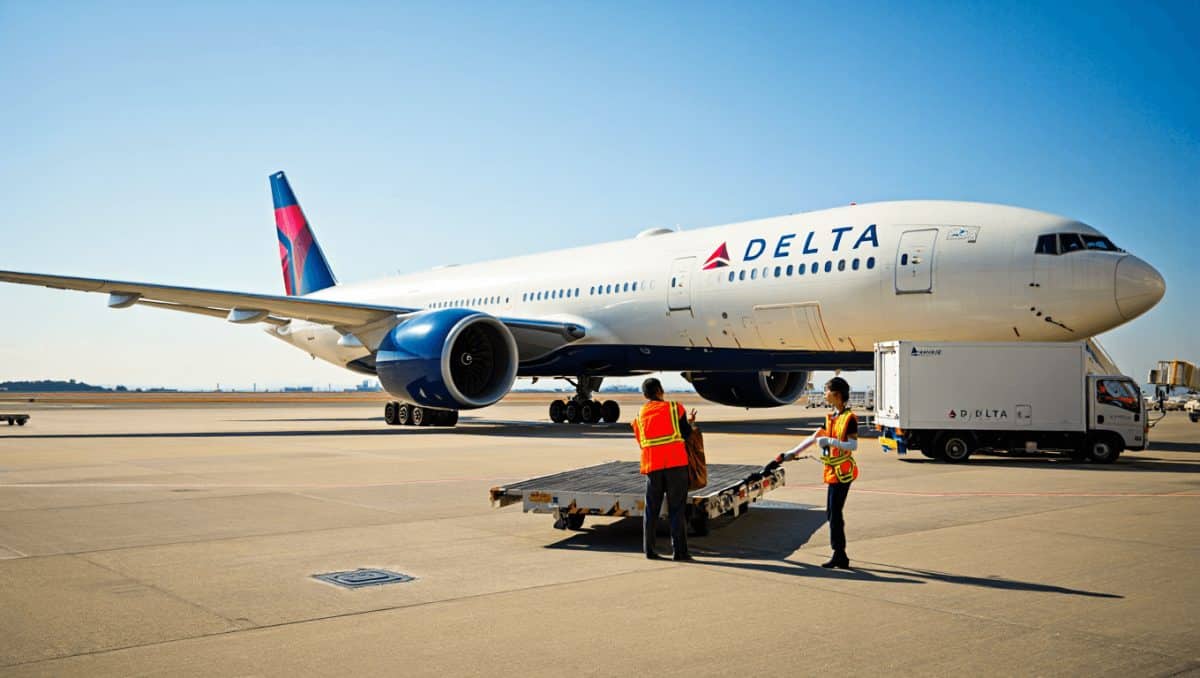
Delta to return to Tokyo Narita hub in 2027: 7-year comeback
Sources claim Kraft and others sought to influence the Post’s coverage during that extended response period. The effort reportedly aimed to soften or even halt publication.
What the Post reportedly offered
- The Post allegedly allowed a longer response deadline than industry norms.
- Editors were said to be willing to adjust the story’s tone.
- There was talk of dropping the piece if Vrabel and Russini could show proof they were with friends.
Images in Sedona and the scramble that followed
Photos of Vrabel and Russini at a resort in Sedona sparked the original wave of attention. The pictures circulated widely and forced rapid reactions from every party involved.
After publication, The Athletic, Russini, and Vrabel moved to counter the narrative. The Post’s images made that effort harder.
Claims and denials
- Both Vrabel and Russini denied any misconduct.
- They maintained the trip was among friends, according to their statements.
- Those explanations did not stop public scrutiny once the photos were out.
Career consequences for Russini and newsroom fallout
Russini’s role at The Athletic became instantly precarious. The outlet initially suspended her after the report appeared.
She later chose to resign before her contract expired. In a parting statement, she rejected what she called an imposed narrative and said she would not let the matter define her work.
The episode raised questions about reporter independence, especially given that Russini covers the NFL and often reports on the Patriots organization.
Who said what and how the narrative shifted
Multiple outlets and unnamed sources have filled in parts of this story. Pro Football Talk relayed details about the extended response window and the alleged pressure campaign.
The Athletic and The New York Post remain central players in how the events were framed publicly. Editors and executives on both sides had to balance legal concerns, reputational risk, and journalistic standards.
Elements that shaped public reaction
- Timing of the Post’s decision to publish.
- Public availability of photos from the resort.
- Statements and defenses released by the individuals involved.
- Internal decisions at The Athletic about suspension and departure.
Ongoing implications for the Patriots and media trust
The involvement of the Patriots’ ownership in trying to influence a news outlet raises broader questions. Critics say it highlights the tension between powerful organizations and independent journalism.
For the team, the incident is another reputational issue to manage. For media outlets, it is a test of how to handle sensitive stories about public figures who have private lives.