Show summary Hide summary
- Early signs: a fractured publicity push and cold red-carpet moments
- Behind-the-scenes clashes over creative control
- When spouses and collaborators step in
- Wardrobe disputes and production costs
- Accusations, filings and the legal escalation
- Allies, social media and quiet endorsements
- PR teams, alleged smear campaigns and counterclaims
- Leaked footage and voice notes introduced into the public fray
- Discovery, subpoenas and battles over personal messages
- Depositions, courtroom showdowns and legal strategy shifts
- Judicial rulings that narrowed the case
- Settlement talks, mediation and a late agreement
- Key personalities and their public roles
- Impact on the film, production companies and future projects
- Ongoing discovery and witness testimony
- Public relations fallout and online reaction
- Where the story stands now in court files
- Voices from the cast and crew
- Lessons for production teams and companies
- Documents, memos and private messages now part of public record
- Continuing ripple effects in Hollywood
- What to watch next in this ongoing legal saga
When the film adaptation of Colleen Hoover’s bestseller hit theaters, attention shifted fast from the story on screen to a high-profile off-screen storm. What began as whispers about awkward press appearances and divided premiere photos evolved into a string of allegations, counterclaims and courtroom battles that have consumed both stars, their allies and the production team.
Early signs: a fractured publicity push and cold red-carpet moments
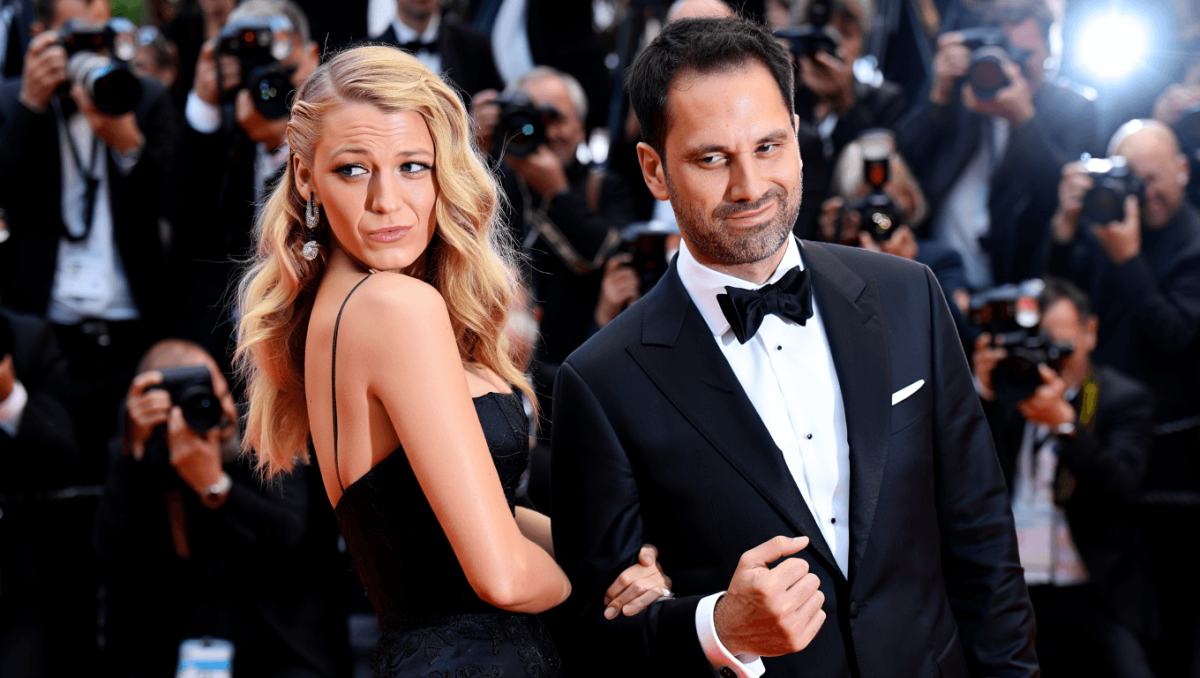
Observers first sensed trouble when the film’s lead actors avoided joint interviews. Photographs from the premiere showed the stars posing in separate groups. At times, one side of the cast sat in a different screening room than the other.
Bronwyn Newport’s mystery man revealed: he’s a married NYC restaurateur
Duncan Sheik cause of death revealed: what killed the barely breathing singer
Those small gestures amplified rumors. Industry sources described a tense environment on set months earlier. The sparring seemed to continue into the film’s release campaign.
Behind-the-scenes clashes over creative control
Creative disagreements quickly surfaced as a root cause of the rift. The director also served as a producer, and the lead actor had producing credits.
- Different editorial visions reportedly produced competing cuts of the film.
- One edit was prepared by an editor known for high-profile action-comedy work.
- A specific music choice sparked a mini-controversy about tone and audience impact.
Those conversations spilled into public comments about song choices, scene edits and the film’s emotional rhythm. The back-and-forth hinted at deeper tensions over authorship and the final product.
When spouses and collaborators step in
The actress said her husband helped write a memorable rooftop scene. She also noted they collaborate on many projects.
That involvement raised questions about how much influence outside collaborators had over the film’s script and specific scenes. The dynamic added another layer to already fraught creative talk.
Wardrobe disputes and production costs
Budgeting for costume and styling became a flashpoint.
- Producers cited a dramatic increase in the wardrobe line item after late creative changes.
- Cost estimates shifted from initial totals to much higher final sums.
- The wardrobe debate was framed in legal filings as an example of one star exerting outsized control.
Those disputes were later used in papers aimed at showing how production decisions were contested.
Accusations, filings and the legal escalation
The situation escalated from industry gossip to formal complaints by year’s end.
- In December 2024, the actress filed a complaint alleging sexual harassment and alleging efforts to damage her reputation.
- That same day the director sued a major newspaper for libel, seeking $250 million, and later added counterclaims.
- In January 2025, the director filed a $400 million suit alleging defamation and extortion against the actress, her husband and their publicist.
The case rapidly multiplied into multiple lawsuits, subpoenas and competing media statements.
Allies, social media and quiet endorsements
Co-stars and collaborators publicly aligned with different sides.
- Several cast members posted supportive messages for the actress.
- Some former staffers and industry acquaintances surfaced as potential witnesses or commentators.
- Social media activity revealed who followed whom — and who had quietly unfollowed — which fueled narrative lines about alliances.
These public gestures influenced perception and appeared in court filings as evidence of backing or estrangement.
PR teams, alleged smear campaigns and counterclaims
Claims about a coordinated public relations effort to discredit the actress led to further legal fallout.
- A former publicist sued, alleging she was unfairly blamed for media maneuvers.
- Another crisis firm sued the actress, saying an early complaint had damaged its business.
The lawsuits argued over who directed which media narratives, and whether certain tactics crossed legal lines.
Leaked footage and voice notes introduced into the public fray
Both sides released raw materials to bolster their positions.
- Video clips from set showing cast interaction were made public.
- Lengthy voice messages and apologies were shared to establish tone and intent.
Lawyers on each side disputed what those clips proved. One side said the materials showed professionalism. The other said they showed discomfort and supported the harassment claims.
Discovery, subpoenas and battles over personal messages
As litigation progressed, both camps sought private communications and phone records.
The actress requested wide-ranging cell data and texts. Opposing counsel called that request a fishing expedition.
A judge later limited the scope. The court said some records were discoverable, but not the broad sweep initially sought.
Depositions, courtroom showdowns and legal strategy shifts
In-court testimony and depositions revealed private exchanges and pointed remarks.
- Depositions included disputes about production meetings, editing choices and allegations of retaliatory behavior.
- Participants described attempts at mediation and a refusal by both sides to take part.
- At times, the legal focus pivoted from large damages claims to tactics aimed at defending reputations.
High-stakes filings were frequently described by legal experts as part litigation strategy, part reputation management.
Judicial rulings that narrowed the case
Court decisions began to trim some allegations while allowing others to proceed.
In mid-2025, a judge dismissed several major claims in one of the director’s lawsuits. The ruling was framed by both camps as a victory or a setback.
Later, a key ruling dismissed most sexual harassment claims, while permitting a few contract-related counts to move forward.
Those outcomes reshaped the contours of what would ultimately go to trial.
Settlement talks, mediation and a late agreement
After years of filings and public sparring, the parties entered settlement negotiations ahead of trial.
Just weeks before a planned trial date, they announced a joint statement emphasizing a shared commitment to survivor support and a desire to move forward.
The settlement did not resolve every public question, but it did halt the immediate courtroom fight.
Key personalities and their public roles
Several well-known figures surfaced during the conflict.
- A-list friends were named in filings and subpoenas, sometimes as potential witnesses.
- Celebrities and PR professionals exchanged private messages that later became court exhibits.
- Public commentary from industry figures fueled social coverage and legal argumentation.
Those connections complicated the dispute and raised questions about influence and advocacy in high-profile cases.
Impact on the film, production companies and future projects
The controversy affected more than headlines. It also rippled into production and distribution conversations.
- Questions arose about who might direct a franchise sequel.
- Studio partners and investors tracked legal exposure and possible reputational risk.
- Marketing plans were adjusted as the parties navigated press coverage.
Executives and creatives weighed how to protect brands while honoring the film’s mission and audience.
What legal experts observed
Lawyers who commented publicly noted that large damage figures often serve dual purposes.
- They attract headlines and may deter settlement pressure.
- Proving extreme damages in court requires high evidentiary burdens.
Several attorneys called some claims more strategic than substantive. Others cautioned that reputational harm and contract disputes can still carry significant consequences.
Ongoing discovery and witness testimony
Even after headline rulings and a settlement, elements of discovery continued to surface.
Witnesses were added, redacted depositions were filed, and private texts were quoted in court papers. Those materials kept the dispute in the public eye.
Each new exhibit added context and shifted media narratives.
Public relations fallout and online reaction
Online commentary ranged from staunch support to harsh criticism. Both legal teams warned about leaks and social-media-driven misinformation.
Protective orders and requests to seal certain documents were central to the fight over what remained private.
- One side sought broad protections for sensitive communications.
- The court approved limited protections but noted trial exhibits might become public.
Where the story stands now in court files
Several claims were dismissed, others survived, and parts of the dispute resolved behind closed doors.
The litigation produced hundreds of pages of filings, voice memos and raw footage that judges and lawyers continue to parse.
As pieces of the record were unsealed, they reshaped public perception and legal posturing.
Voices from the cast and crew
Some colleagues publicly supported the actress and described her actions as brave. Others stayed silent or answered narrowly in interviews.
Those reactions informed legal arguments about workplace culture and how complaints were handled internally.
Lessons for production teams and companies
- Clear policies and accessible reporting channels are essential on set.
- Documentation during production can be decisive in later disputes.
- Neutral third-party coordinators and transparent editorial protocols help reduce conflict.
Executives and unions took note as the dispute highlighted gaps in procedure and accountability.
Documents, memos and private messages now part of public record
Court filings included a trove of emails, texts and calendar notes dating back years. Those items traced interactions, meeting outcomes and creative decisions.
Both sides presented these materials to support their narratives. Judges reviewed them to assess legal thresholds for each claim.
Continuing ripple effects in Hollywood
The episode has become a case study in how on-set disagreements can evolve into multi-front legal battles.
It also raised bigger discussions about power dynamics, consent, and the interplay between publicity and litigation in the entertainment industry.
What to watch next in this ongoing legal saga
- Any further filings or appeals from either party.
- Additional witness testimony that might be unsealed.
- How studios revise contracts and protocols for future productions.
As the legal record grows, each development will be parsed by lawyers, press and viewers alike.