Show summary Hide summary
- Reactions from radio and the Yankees community
- How his death unfolded and reported health issues
- Sterling’s defining run as the Yankees’ play-by-play voice
- Early career: From New York to Baltimore and back
- Broadening his résumé: Other teams and markets
- Milestones, signature moments and the Jeter era
- What made his voice memorable
- Broadcasting legacy and impact on sports radio
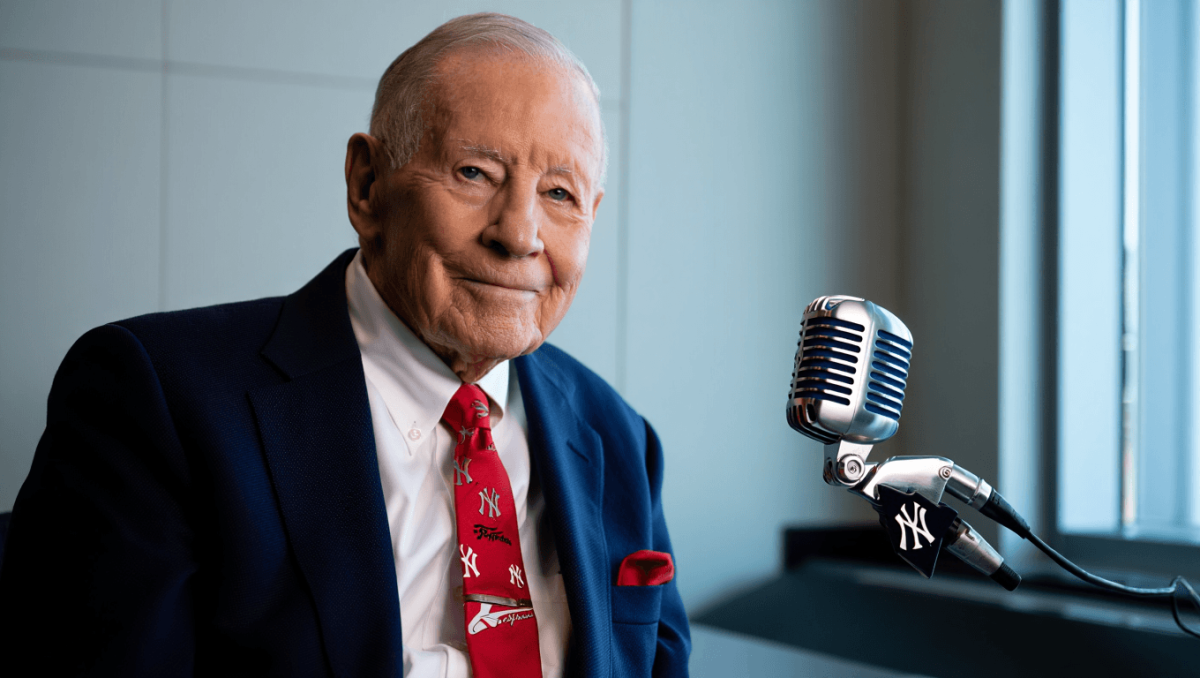
John Sterling, the distinctive radio voice who narrated decades of New York Yankees baseball, has died at 87. His passing follows reports that he suffered a heart attack earlier this year. Fans, colleagues and stations that worked with him are reacting to the loss of a broadcaster who shaped how many remember Yankee baseball.
Reactions from radio and the Yankees community
WFAN and other outlets issued immediate remembrances. The station described Sterling as a radio icon whose delivery became inseparable from generations of Yankees fandom. Teammates, broadcasters and listeners shared memories on social media and in live broadcasts.
Sophia Laforteza of Katseye announces hiatus: comes months after Manon Bannerman’s exit
Delta to return to Tokyo Narita hub in 2027: 7-year comeback
- WFAN tribute: the station expressed deep sorrow and noted his enduring connection with listeners.
- Fan responses: longtime listeners posted clips of his signature calls and personal stories from games.
- Peer recognition: fellow broadcasters highlighted his longevity and contributions to baseball radio.
How his death unfolded and reported health issues
Details surrounding the immediate cause of death have not been fully disclosed. Reports indicate Sterling had a heart attack in January 2026. He remained a figure in Yankees media after that incident, though his role was reduced in later seasons.
Sterling’s defining run as the Yankees’ play-by-play voice
For decades, Sterling served as the Yankees’ primary radio play-by-play announcer. His name became synonymous with the team’s broadcasts.
- Consecutive games streak: He called more than 5,000 straight Yankees games from 1989 until 2019.
- Role evolution: After his uninterrupted streak ended, he continued to appear in a smaller capacity into the 2020s.
- Final official broadcast: His last call came on Oct. 30, 2024, during Game 5 of the World Series between the Yankees and the Los Angeles Dodgers.
Early career: From New York to Baltimore and back
Sterling was a native New Yorker whose path to baseball broadcasting included several cities and sports.
- He began in Baltimore, working in play-by-play roles for teams and college football.
- He was the announcer for the Baltimore Bullets, the franchise that later became the Washington Wizards.
- He called Morgan State University football games early in his career.
Broadening his résumé: Other teams and markets
Sterling’s voice was not limited to baseball. He worked across multiple sports and radio stations.
- Stints at WMCA in New York broadened his radio experience.
- He served as the radio voice for teams such as the Raiders, the Stars and the Islanders.
- He spent nearly a decade in Atlanta, handling broadcasts for the Braves and the Hawks.
Milestones, signature moments and the Jeter era
Sterling narrated many of the Yankees’ most memorable eras, including the entirety of Derek Jeter’s career. His signature phrases and late-inning calls became familiar to listeners.
Career highlights
- Maintained a streak of 5,000+ consecutive Yankees games (1989–2019).
- Called multiple postseason runs, playoff games and World Series action.
- Completed his final broadcast in the 2024 World Series.
What made his voice memorable
Listeners recall Sterling for his distinct cadence and the emotion he brought to pivotal moments. His delivery could turn a routine out into an unforgettable memory for fans.
- Catchphrases and timing: short lines he used at key moments stuck with fans.
- Consistency: decades of presence on Yankees radio built a deep familiarity.
- Emotional resonance: he was often there for milestone games and retirements.
Broadcasting legacy and impact on sports radio
Sterling’s long tenure influenced younger broadcasters and shaped how baseball radio is practiced in New York. His style and career path are frequently cited in discussions about durable sports voices in American media.
Colleagues say his work ethic and ability to adapt kept him relevant through changing eras of the sport and broadcast technology.