Show summary Hide summary
- Why airlines are removing the metal baggage sizers
- Which carriers have already phased out gate sizers
- How gate inspections look now: visual screening explained
- Carry-on dimensions: the rules haven’t changed
- Where the sizers went: measurement moved to check-in lobbies
- Practical steps to avoid gate-checking your bag
- What travelers should know about enforcement and customer-friendly screening
- Checking destination rules before you fly
- Packing best practices for stress-free boarding
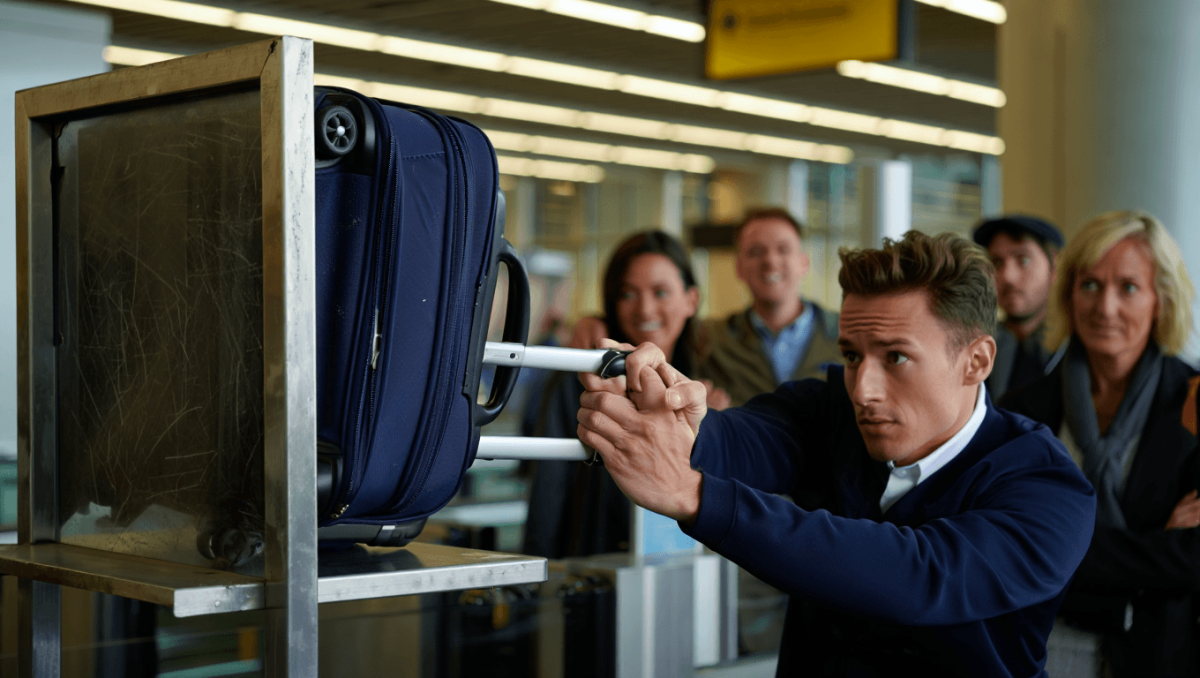
That moment at the gate when everyone freezes to watch a traveler wrestle a suitcase into a metal box has become shorthand for boarding-day dread. The awkward public sizing ritual, once considered unavoidable, is fading from many terminals. Travelers can now expect fewer public confrontations and faster boarding—if they know the new rules.
Why airlines are removing the metal baggage sizers
Airlines operate on tight schedules. Delays at the gate cost money and frustrate passengers. When agents stop traffic to measure a bag, the chain reaction can push a flight off schedule. By changing the approach, carriers aim to speed turnarounds and reduce conflict.
Sophia Laforteza of Katseye announces hiatus: comes months after Manon Bannerman’s exit
Delta to return to Tokyo Narita hub in 2027: 7-year comeback
- Faster boarding reduces departure delays.
- Fewer public disputes lowers stress for staff and flyers.
- Visual checks save time compared with individual sizing and tag printing.
Which carriers have already phased out gate sizers
Two of the largest U.S. legacy carriers have led the shift. If you’re flying with United Airlines or American Airlines, you’ll likely see no metal sizer at the gate. The boxes are gone from boarding areas across many hubs.
How gate inspections look now: visual screening explained
With the boxes removed, gate agents rely on quick visual assessments. Staff are trained to spot bags that are clearly oversized. Most borderline cases are allowed through to avoid holding up the whole flight.
What gate agents will stop for
- Suitcases that are visibly too large to fit in an overhead bin.
- Bags with obvious extra gear or external attachments that make them bulky.
- Items that appear to belong in checked luggage, such as large duffels or oversized backpacks.
Carry-on dimensions: the rules haven’t changed
Airlines removed the sizer, but they did not loosen size limits. For both major carriers, carry-on limits remain strict. Your bag must still meet the published dimensions.
- Allowed carry-on size: 22 x 14 x 9 inches, including wheels and handles.
- If a bag is clearly beyond that, expect an enforced gate-check.
Where the sizers went: measurement moved to check-in lobbies
The physical measuring cages haven’t vanished entirely. Both airlines have relocated them to front-of-house check-in areas. That change shifts responsibility back to passengers. If you want to be certain, measure before you reach the gate.
- Measure your bag at the check-in counters if you are unsure.
- Some airports keep measurement stations near ticket desks or baggage drop.
- Self-check kiosks rarely measure carry-ons, so use dedicated sizers if available.
Practical steps to avoid gate-checking your bag
You can reduce the chance of a last-minute surprise with a few simple adjustments.
- Confirm dimensions at home and pack accordingly.
- Weigh and compress soft items into smaller bags or packing cubes.
- Put fragile or essential items in a personal item that fits under the seat.
- Arrive early to measure at the front-of-house sizer if you’re uncertain.
What travelers should know about enforcement and customer-friendly screening
Airlines emphasize customer experience. Agents have been instructed to be lenient on borderline cases. That means if your bag looks only slightly over the limit, you will often be allowed to board. However, visible oversize items still face gate-checking.
Tip: Do not treat the absence of a metal sizer as permission to overpack. Visual screening is discretionary and aimed at keeping planes on time.
Checking destination rules before you fly
Carry-on policy is only one part of planning. Some countries and airports have extra restrictions. Always review travel advisories and entry requirements for your destination before you leave home.
Packing best practices for stress-free boarding
Small planning moves can make boarding easier and prevent surprises.
- Use a tape measure at home to verify exact dimensions.
- Opt for soft-sided bags; they compress more easily into overhead bins.
- Keep liquids and electronics accessible to shorten security time.
- Label checked luggage clearly in case a bag is gate-checked unexpectedly.