Show summary Hide summary
- Why “Level 1” matters for South America trips
- Argentina — culture, cities, and common-sense safety
- Paraguay — off-the-beaten-path and quietly welcoming
- Suriname — rainforest edge with practical health limits
- French Guiana — European rules amid Amazon wilderness
- The Falkland Islands — remote, orderly, and extremely safe
- Quick checklist: What to do before you fly
Thinking of a South America escape this season? Before you book, it helps to know which countries have the greenest safety ratings. A handful of destinations on the continent currently hold the U.S. State Department’s top ranking, and each offers very different experiences for travelers.
Why “Level 1” matters for South America trips
The U.S. State Department’s Level 1 tag means exercise normal precautions. It does not promise perfection. It does signal that violent conflict and terrorism are minimal, and basic law enforcement functions reliably. Use that as a starting point when planning.
Sophia Laforteza of Katseye announces hiatus: comes months after Manon Bannerman’s exit
Delta to return to Tokyo Narita hub in 2027: 7-year comeback
Argentina — culture, cities, and common-sense safety
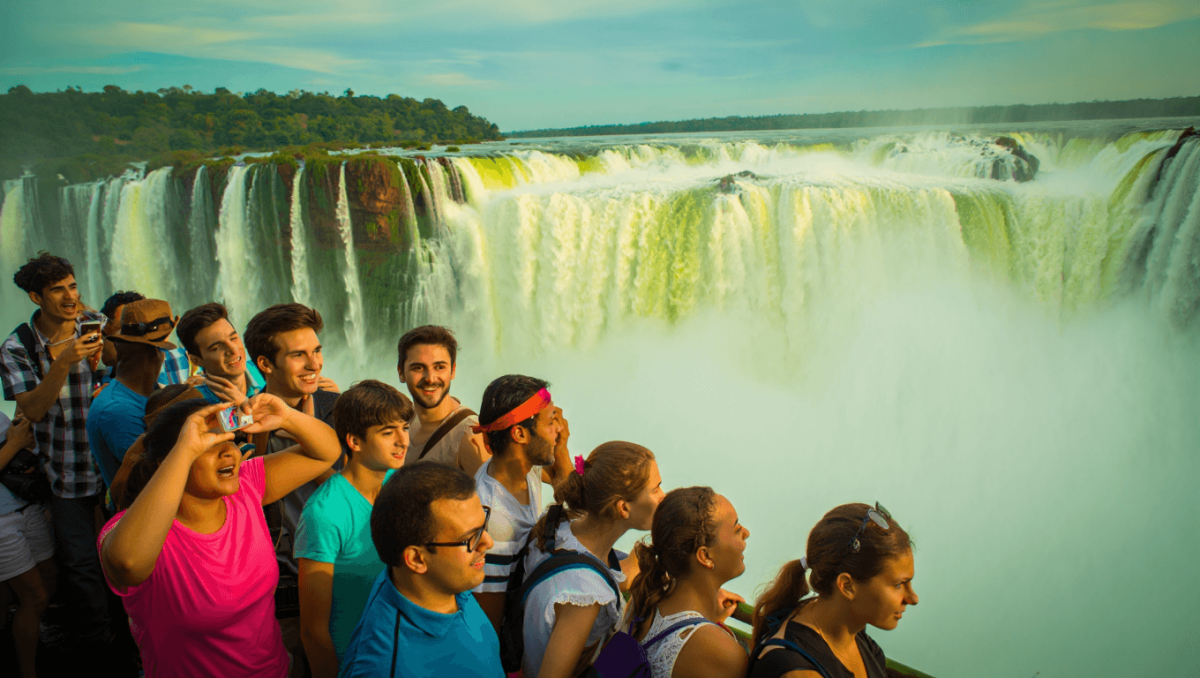
Argentina tops many travelers’ lists for its food, tango, and striking architecture. Buenos Aires hums with nightlife and museums, and it’s one of the safer urban centers in South America right now.
Practical safety notes
- Main risk: street-level theft and coordinated distraction scams.
- Criminals sometimes work in pairs or groups to divert attention and grab bags.
- Be cautious in crowded tourist areas and on public transit.
Places to skip or avoid
- Avoid Rosario for now — authorities list parts of the province with higher violent crime.
Traveler voice
- Real-time traveler scores place Argentina around 85/100 for safety. Locals still recommend vigilance with valuables.
Paraguay — off-the-beaten-path and quietly welcoming
Paraguay is underrated and offers authentic cultural encounters without heavy tourist crowds. The central and southern regions are the friendliest for visitors.
What to watch for
- Street theft: “motochorro” robberies are common in urban traffic. Keep phones and bags secured.
- Stay aware around market areas and bus stations.
High-risk zones
- The northeast border near Brazil is a hotspot for smuggling and organized crime. U.S. guidance rates that region more cautiously.
Traveler voice
- Paraguay scores roughly 83/100 in traveler safety ratings. Locals are welcoming but advise traveling light in cities.
Suriname — rainforest edge with practical health limits
Suriname pairs a calm capital, Paramaribo, with direct access to the Amazon. It’s peaceful politically, but infrastructure is the main concern for many visitors.
Key cautions
- Medical care: hospitals outside Paramaribo may lack modern equipment. Many operate cash-only and ask for payment upfront.
- Ambulance services are limited away from the capital.
How to explore safely
- Hire licensed guides for jungle trips. Roads and trails can be remote and poorly marked.
- Avoid poorly lit parks at night and travel with a local contact when possible.
Traveler voice
- Suriname ranks near 85/100 with travelers who stress strong travel medical coverage.
French Guiana — European rules amid Amazon wilderness
As an overseas region of France, French Guiana blends European regulations with vast tropical landscapes. You get the legal protections of France, but you must plan for periodic local disruptions.
What to expect
- Low violent crime: tourists seldom face violent attacks.
- Labor strikes or blockades can shut roads and close the airport without much warning.
Health and entry requirements
- Yellow Fever vaccine proof is required on entry due to tropical disease risk.
Traveler voice
- Travelers score French Guiana around 85/100, praising safety but noting occasional travel disruptions.
The Falkland Islands — remote, orderly, and extremely safe
For isolation and wildlife, the Falklands are unmatched. The islands are a British Overseas Territory with very low crime and dramatic landscapes.
Safety considerations
- Violent crime is virtually non-existent.
- Some rural areas still contain live landmines from past conflicts. These zones are fenced and signposted.
Entry and logistics
- Because medical facilities are limited, entry rules are strict. Expect checks on return tickets, funds, and evacuation insurance.
- Plan for long travel times and limited services.
Quick checklist: What to do before you fly
- Register with STEP: sign up for the Smart Traveler Enrollment Program so your embassy knows where you are.
- Buy travel medical insurance that covers emergency evacuation, especially for Suriname and the Falklands.
- Carry proof of required vaccinations, like the Yellow Fever vaccine for French Guiana.
- Keep copies of important documents and a cash backup, since some hospitals require upfront payment.
- Avoid marked high-risk zones and follow local authorities’ advice if strikes or roadblocks occur.