Show summary Hide summary
- Why Trapani beats expensive coastal hotspots
- What to explore in Trapani’s old town
- Safety in Trapani: what travelers should know
- Eating well in Trapani without overspending
- Where to sleep and how to get around affordably
- Best coastal experiences: beaches, salt pans, and towers
- Day trip to Erice: hilltop views and medieval streets
- Island-hopping from Trapani: Favignana, Marettimo, Levanzo
- Sample budget for a week in Trapani
- Practical tips before you go
- Local experiences worth seeking out
If the idea of Italian summers now means splurging on crowded hotspots, consider a different plan: Trapani, a sunlit Sicilian port that stretches your euros while delivering coastal charm, culture, and island escapes. This guide shows why savvy travelers are choosing Trapani for affordable beaches, great food, and quieter summer days.
Why Trapani beats expensive coastal hotspots
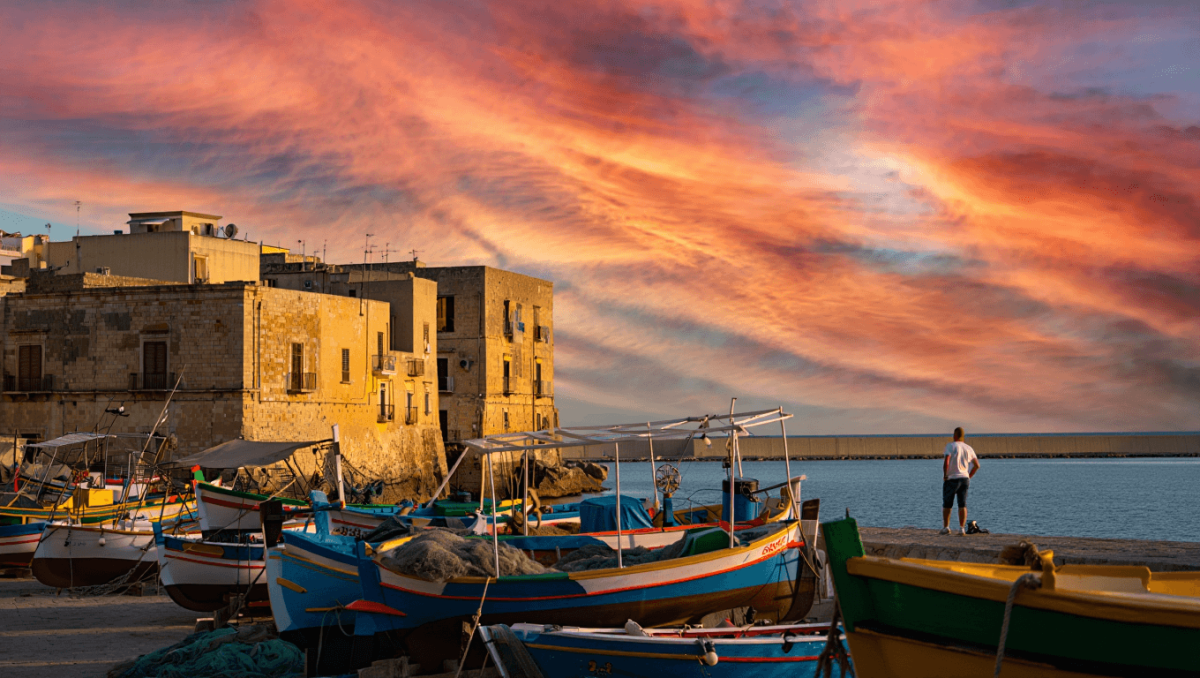
Trapani sits on Sicily’s northwest edge and keeps a low profile compared with Taormina or Capri. That means fewer crowds and better value. The town blends maritime traditions, Baroque streets, and dramatic sea views.
Sophia Laforteza of Katseye announces hiatus: comes months after Manon Bannerman’s exit
Delta to return to Tokyo Narita hub in 2027: 7-year comeback
- Lower prices for meals and rooms than major tourist hubs.
- Easy walking layout makes public transport optional.
- Close access to islands and mountain villages for day trips.
What to explore in Trapani’s old town
The historic center is a compact maze of narrow lanes and ochre facades. Architecture reflects centuries of Arab, Spanish, and Italian influence. Every corner reveals a small church, a pastry shop, or a hidden piazza.
A must-see: the cathedral and interiors
The local cathedral has a modest exterior but a richly decorated interior. Inside, marble columns, gilded details, and frescoed ceilings create that classic Italian spectacle.
Strolling the seafront and defensive walls
Walk the lungomare at sunset for the best views. The old walls and Bastione Conca sit close to the water and offer a peaceful seaside route.
Safety in Trapani: what travelers should know
Sicily has a sensationalized reputation, yet modern Trapani feels calm and welcoming. Violent crime is uncommon. The typical risks are petty theft and beach-side carelessness.
- Keep valuables secure to avoid pickpockets.
- Don’t leave bags unattended on beaches.
- Local residents and recent visitor reports describe Trapani as walkable and low-risk.
Traveler Safety Index data rates Italy highly, with a recent score around 92 out of 100. That reflects current on-the-ground reports from recent visitors.
Eating well in Trapani without overspending
Trapani’s culinary identity blends seafood with Arab-influenced recipes. You’ll find seafood couscous, sardine-studded pasta, and pistachio desserts at family-run trattorie.
- Typical main dish: €12–€18.
- Three-course meal with wine: about $33–$35 per person.
- Look for local wine grown on slopes above town.
Trattoria Antichi Sapori and similar neighborhood spots serve authentic plates at fair prices. Street markets and bakeries also offer budget-friendly options.
Where to sleep and how to get around affordably
Trapani is surprisingly wallet-friendly for accommodation. Central hotels average roughly $140 per night, but cheaper options exist close by.
- Budget stays from around $54 a night when you book smart and stay slightly outside the center.
- Most sites are walkable; public buses cover longer routes.
- Short taxi rides typically cost about $8 within town limits.
Tip: Staying a 15–20 minute walk from the promenade can cut costs significantly.
Best coastal experiences: beaches, salt pans, and towers
Trapani’s shoreline mixes sandy stretches and jagged rocks with striking historic features. The salt pans at Saline di Trapani e Paceco are a highlight at dusk.
Salt flats at sunset
Shallow pools and windmills create vivid reflections as the sun drops. Local photographers prize the area, and it’s quieter than many other famed sunset spots.
Ligny Tower and seaside bastions
Torre di Ligny stands at the city’s tip and delivers sweeping sea vistas. Bastione Conca provides a dramatic platform that faces the Mediterranean waves.
Day trip to Erice: hilltop views and medieval streets
A short cable car ride lifts you to Erice, a medieval village perched above Trapani. Stone alleys, a castle, and panoramic lookouts give an old-world feel.
- Erice is quieter than the more famous Taormina, but equally photogenic.
- Castles and convents dominate the skyline.
- Pastry shops in Erice are famous—try the local almond treats.
Island-hopping from Trapani: Favignana, Marettimo, Levanzo
Hydrofoil rides from Trapani connect to the Egadi islands in 30–70 minutes. Each island has a distinct personality and offers offbeat beaches.
- Favignana — bike-friendly routes, hidden coves, and pastel towns.
- Marettimo — rugged cliffs, white-washed houses, and quieter harbors.
- Levanzo — small island charm, sea caves, crystal-clear coves.
Island-hopping makes Trapani a smart base for those wanting a mix of coastal hikes and relaxed beach days.
Sample budget for a week in Trapani
Here’s a rough cost outline to plan a seven-day stay without cutting corners.
- Accommodation: $54–$140 per night depending on location and season.
- Meals: $30–$40 per day for decent local dining.
- Transport: Local buses and occasional taxis, $8 per short ride; ferries add extra for island trips.
- Activities: Museum entries, cable car to Erice, and boat trips will vary but can fit comfortably into a $600 weekly budget.
Reality check: With careful planning, you can enjoy Trapani, its islands, and local cuisine for under $600 for a full week.
Practical tips before you go
- Check entry and travel rules before booking. Border and health rules can change.
- Book ferries in advance during high season.
- Bring cash for small trattorie and market stalls.
- Respect beach etiquette and watch belongings at crowded spots.
Local experiences worth seeking out
Beyond the main attractions, seek smaller pleasures: morning markets, family-run wine producers, and evening passeggiatas along the promenade. These moments show the real rhythm of Trapani life.