Show summary Hide summary
- How the new TSA e-gates work and what they look like
- Why the TSA is running the pilot at an East Coast hub
- Passenger experience: faster lines or new bottlenecks?
- Security implications and privacy questions
- Operational impact on TSA agents and airport staff
- What travelers should know before flying through e-gates
- Next steps and timeline for wider deployment
The Transportation Security Administration has begun testing automated entry lanes — often called “e-gates” — at a major East Coast airport in a move that could reshape routine security screening. The pilot program aims to speed passenger flow, reduce physical contact, and collect data on whether technology can reliably handle identity checks and luggage screening tasks now done by officers.
How the new TSA e-gates work and what they look like
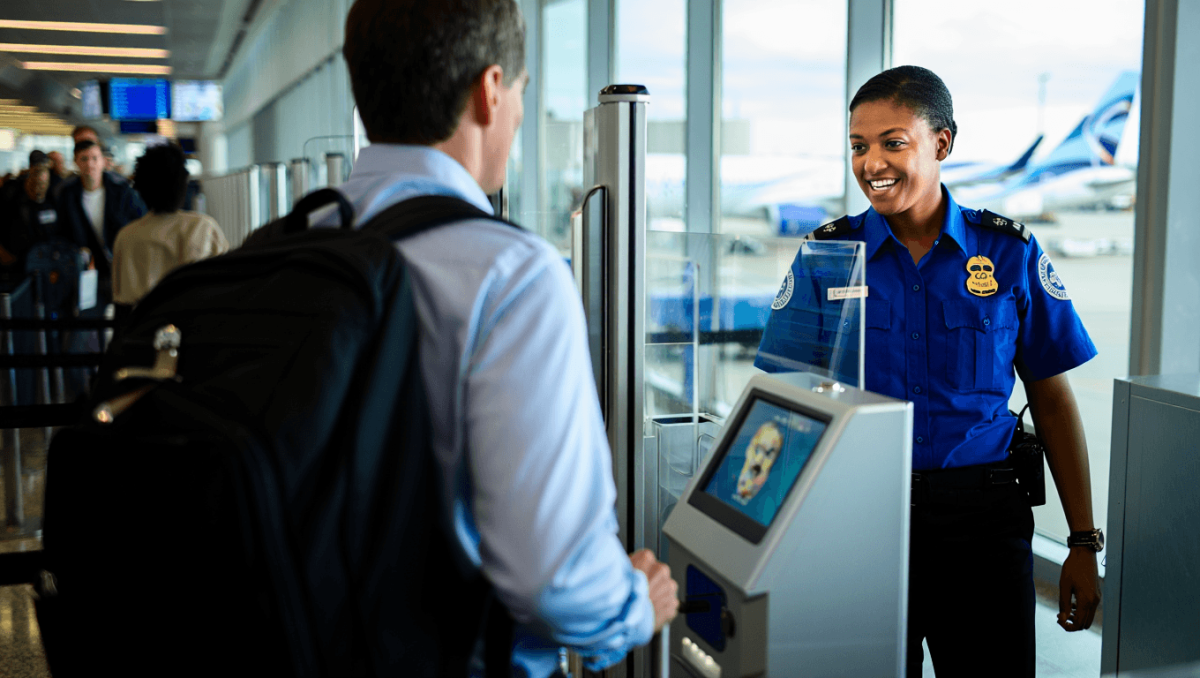
The e-gates combine cameras, document readers, and sensors to verify identity and validate travel documents. Passengers tap a boarding pass or insert ID, step into a lane, and the system completes checks in seconds. If anything seems off, a human officer intervenes.
Sophia Laforteza of Katseye announces hiatus: comes months after Manon Bannerman’s exit
Delta to return to Tokyo Narita hub in 2027: 7-year comeback
- Biometric checks: Facial recognition compares the traveler to the ID photo.
- Document readers: Scanners inspect passports and driver’s licenses for authenticity.
- Automated alerts: Flags trigger staff review when mismatches occur.
Why the TSA is running the pilot at an East Coast hub
Officials chose a busy airport to test the e-gates under high passenger volume. The pilot will collect real-world data on throughput, error rates, and traveler acceptance. The live environment helps reveal issues that lab tests can miss.
Key goals for the trial
- Measure how many passengers per hour an e-gate can process.
- Track accuracy of identity verification under diverse conditions.
- Assess interactions between automated lanes and traditional checkpoints.
Passenger experience: faster lines or new bottlenecks?
Early reports from travelers are mixed. Some praise shorter waits. Others note confusion about how to use the new equipment. Airport signage and staff assistance are central to a smooth rollout.
- Speed benefits: Automation can cut average screening time.
- Learning curve: First-time users may need guidance.
- Fallbacks: Human-managed lanes remain available for issues.
Security implications and privacy questions
Introducing automated identity checks raises both operational and privacy concerns. Advocates say e-gates enhance detection and free officers for higher-value tasks. Critics worry about biometric data handling and potential bias in recognition systems.
Privacy safeguards under review
- Data retention policies and limits on biometric storage.
- Transparency about how images and logs are used.
- Independent audits to evaluate algorithm accuracy across groups.
Operational impact on TSA agents and airport staff
The pilot may change daily workflows. Agents could shift from routine document checks to exception handling and security oversight. Training will focus on quick intervention and troubleshooting.
- Staff roles evolving toward supervision and passenger support.
- Maintenance teams tasked with keeping machines online.
- Coordination with airlines and airport operations for peak times.
What travelers should know before flying through e-gates
- Bring a valid, machine-readable ID or passport.
- Follow on-screen prompts and staff instructions.
- Expect an officer to assist if the system cannot verify identity.
- Members of certain programs, like TSA PreCheck, may see different processing.
Next steps and timeline for wider deployment
The TSA will analyze pilot results before deciding on expansion. Factors like cost, performance, legal considerations, and public feedback will shape any rollout. If successful, more airports could adopt e-gates over the next few years.
Officials emphasize that human oversight will remain central while automation grows. The trial is one step in a broader effort to modernize screening and improve passenger flow without compromising safety.