Show summary Hide summary
- Why United is considering a Eurobusiness-style layout
- What “Eurobusiness-style” seating really means for cabins
- How this affects operations and yield management
- Customer experience and branding implications
- Where United might deploy A321XLRs with this layout
- Production, timeline and retrofit questions
- Regulatory, weight and performance trade-offs
- Industry response and competitor moves
- Potential benefits and risks for United
United Airlines is rethinking how it will fit premium passengers onto its long-range narrowbodies. As the carrier prepares to take delivery of Airbus A321XLR jets, airline executives are reported to be evaluating a seating concept inspired by European “Eurobusiness” cabins. That could reshape how United serves transatlantic and thin long-haul markets, mixing revenue potential with customer expectations.
Why United is considering a Eurobusiness-style layout
Airlines around the world are seeking higher-yield options without the cost of widebody aircraft. The A321XLR gives carriers the range to fly transatlantic and other long thin routes. United is weighing whether a compact, high-quality premium cabin can boost profits on those routes.
Sophia Laforteza of Katseye announces hiatus: comes months after Manon Bannerman’s exit
Delta to return to Tokyo Narita hub in 2027: 7-year comeback
- Maximizing revenue per square foot in a single-aisle fuselage.
- Competing with other carriers offering a premium narrowbody experience.
- Offering business-class comfort on routes that cannot support a widebody.
What “Eurobusiness-style” seating really means for cabins
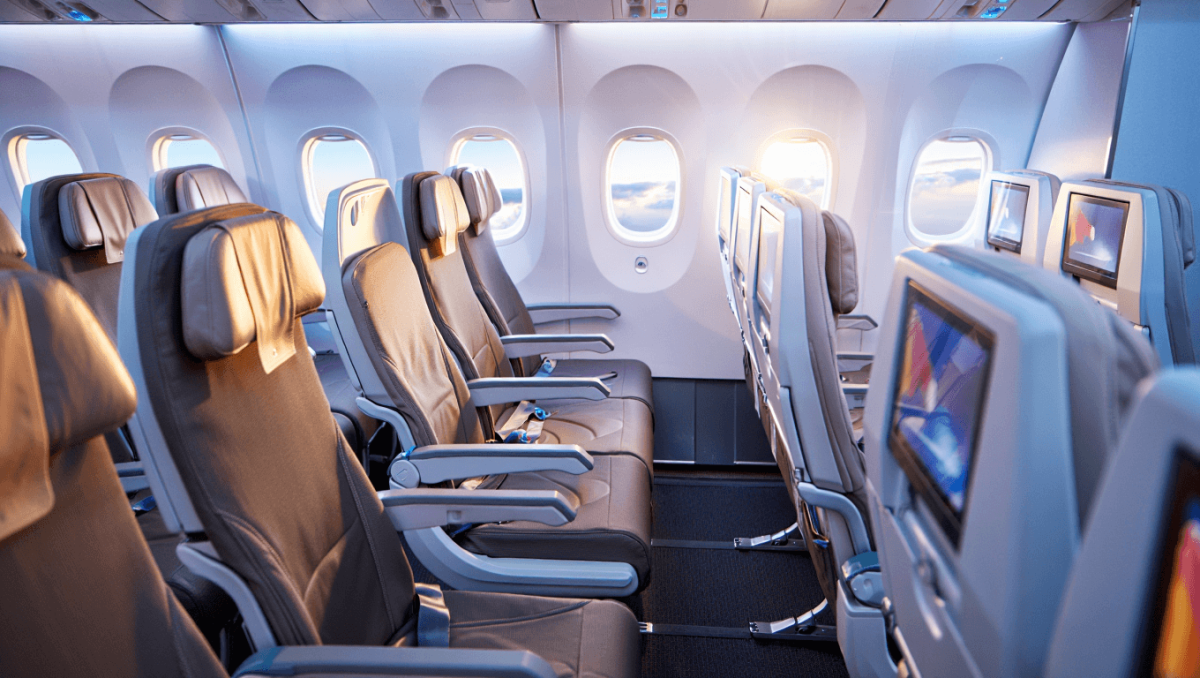
The term evokes European carriers’ approach to premium cabins on narrowbodies. Expect fewer rows of larger seats, enhanced privacy, and a tighter overall economy seat count.
Possible seat formats United may test
- 2-2 configurations in front sections for direct-aisle access.
- Reclining or semi-flat seats in a denser footprint than full lie-flat.
- A reduced economy class pitch to accommodate premium rows.
Design choices will balance passenger comfort against seat count and revenue management.
How this affects operations and yield management
Converting space to premium product changes load factor aims and distribution strategies. Higher-yield premium seats can offset fewer total seats.
- Revenue management will increase emphasis on business fares and corporate contracts.
- Boarding procedures may adapt to a clearer division between premium and economy.
- Cabin crew service protocols could be adjusted to match premium expectations.
Customer experience and branding implications
For passengers, a Eurobusiness-style front cabin could feel more upscale on medium-haul flights. Passengers flying transatlantic from secondary airports might see first-class quality without a widebody plane.
- Improved seat width and privacy in the premium cabin.
- Enhanced amenity packs, better catering, and lounge reciprocity potential.
- Possible confusion for customers used to traditional cabin labels.
Where United might deploy A321XLRs with this layout
The A321XLR opens options for routes with strong business demand but limited passenger volume. United could use the type on:
- Secondary transatlantic city pairs.
- Long thin transcontinental routes.
- High-frequency regional international markets.
Selection of routes will hinge on corporate travel patterns and seasonal demand.
Production, timeline and retrofit questions
United has firm orders for the A321XLR, but final cabin specs can vary. Decisions must align with Airbus delivery schedules and certification.
- Fleet entry depends on aircraft delivery and interior fit-out slots.
- Retrofits later are costly; early decisions shape long-term network plans.
- Supplier lead times for seats and galleys affect rollout speed.
Regulatory, weight and performance trade-offs
Changing cabin layouts affects aircraft weight, center of gravity, and emergency egress plans. Regulators must approve any novel seating configuration.
- Weight increases for premium seats could slightly reduce range or payload.
- Certification of unusual layouts can add time and cost.
- Operational performance must still meet long-range requirements.
Industry response and competitor moves
Other carriers have experimented with premium narrowbody cabins. Analysts say success depends on consistent demand for higher fare classes.
- Rival airlines may copy features if United finds a winning formula.
- Corporate contracts and loyalty incentives will shape uptake.
- Customer feedback on comfort and service will guide final choices.
Potential benefits and risks for United
Adopting a Eurobusiness-style front cabin offers both upside and downside.
- Benefits: higher revenue per flight, differentiated product, access to new markets.
- Risks: misjudging demand, reduced economy capacity, added certification costs.