Show summary Hide summary
Looking to steer clear of packed piazzas and tourist-lined boulevards? These five lesser-known Old World spots deliver medieval streets, local flavors, and photogenic corners without the usual crowds. Read on to find your next off-the-beaten-path European escape.
Why choose under-the-radar Old World destinations
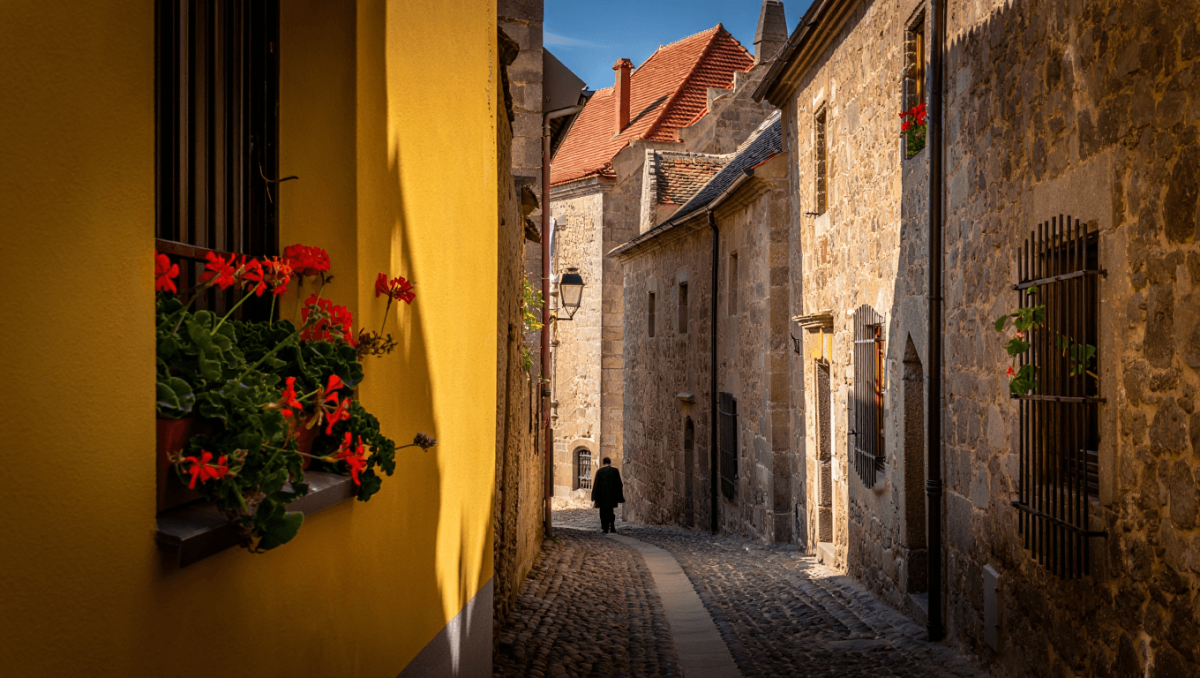
Big names like Paris and Barcelona draw crowds. If you want narrower lanes, quieter squares, and authentic local life, aim for smaller historic towns. These places offer preserved architecture, fewer tour buses, and more genuine encounters with culture.
Sophia Laforteza of Katseye announces hiatus: comes months after Manon Bannerman’s exit
Delta to return to Tokyo Narita hub in 2027: 7-year comeback
- Lower crowds: More breathing room in museums and on streets.
- Authentic food: Regional dishes prepared the way locals eat them.
- Great value: Lower prices for lodging and meals in many spots.
- Unique photo ops: Cobbled lanes, pastel houses, and ancient walls.
Top five hidden Old World escapes to add to your list
Sighișoara, Romania — Transylvania’s living citadel
Tucked in central Romania, this hilltop town feels lifted from a medieval painting. Narrow alleys, colorful house fronts, and defensive towers have survived through centuries.
- Why go: One of Europe’s most intact inhabited medieval centers.
- Stroll the Clock Tower, climb the covered wooden staircase, and wander pastel squares.
- Stay in small guesthouses and savor simple Transylvanian cuisine at family-run taverns.
- Safety snapshot: Romania rates high for traveler safety by many measures.
- Best time: late spring through early autumn for festivals and mild weather.
Visby, Sweden — A rose-covered medieval island
On Gotland island, Visby is a compact UNESCO-protected town of ruined walls, stone lanes, and small gardens. It reads like a fairy-tale port with a northern light all its own.
- Why go: Remote-feeling medieval charm and island peace.
- Walk the ring wall, explore ruined churches, and enjoy seaside cafés.
- Combine with a slow coastal drive or ferry hop to other Baltic isles.
- Safety snapshot: Sweden is generally considered safe for travelers.
- Best time: summer, when roses bloom and ferry services are frequent.
Košice, Slovakia — Eastern Europe’s quiet cultural hub
Košice sits far from Western Europe’s busiest circuits, yet its Gothic cathedral, broad main square, and lively arts scene make it a top pick for curious travelers.
- Why go: A city that feels authentic, not tourist-shaped.
- Visit the Cathedral of St. Elizabeth and stroll the art-deco and baroque streets.
- Nearby caves and castle ruins add adventure to a short city break.
- Safety snapshot: Slovakia consistently ranks well for traveler safety.
- Best time: winter for a snow-covered atmosphere; spring and autumn for fewer crowds.
Vianden, Luxembourg — A small country with big vistas
Vianden is a storybook village dominated by a dramatic castle above a river valley. It pairs well with vineyard roads and quiet riverside walks.
- Why go: Castle panoramas and compact, walkable charm.
- Climb to Vianden Castle, sample Moselle wines, and explore nearby nature trails.
- Luxembourg’s public transport is notably convenient and free for travelers.
- Safety snapshot: Luxembourg is widely regarded as safe and well-managed.
- Best time: late spring through autumn for hiking and wine tastings.
Gaziantep, Türkiye — Where flavor meets history
Far from Turkey’s typical beach resorts, Gaziantep is a culinary powerhouse. It blends lively bazaars with well-preserved urban quarters and archaeological sites.
- Why go: UNESCO-recognized food traditions and deep culinary history.
- Try original baklava, regional kebabs, and market snacks handed down for generations.
- Explore the old city, visit local museums, and wander vibrant bazaars.
- Safety snapshot: Assess regional conditions before travel, but many visitors report safe stays.
- Best time: spring and autumn for comfortable temperatures and market activity.
How to plan a low-crowd Old World trip
Small adjustments make a big difference. Seek slower transport, pick off-season windows, and favor towns with local-run lodging.
- Travel light: Smaller towns often have steep streets and limited luggage services.
- Use regional transit: Trains and local buses connect many of these gems.
- Book locally: Guesthouses and family hotels support the local economy and feel personal.
- Timing: Visit weekdays and shoulder seasons to avoid organized tour groups.
- Safety checks: Look up local advisories and recent traveler reports before you go.
What to pack and expect on cobbled streets
Packing for historic towns means comfort and practicality. Think footwear first and cameras second.
- Durable walking shoes with good grip for cobbles.
- Layers for changing weather in hilltowns and islands.
- Portable charger and extra storage for photography.
- Cash for market stalls in places that still prefer notes.
- Respectful clothing for religious sites and traditional neighborhoods.
Local etiquette and supporting responsible travel
Small towns value respect. Learn a few local phrases, tip when customary, and support small businesses.
- Speak locally: A few words of the language go a long way with hosts.
- Buy local: Eat at family-run restaurants and purchase crafts from artisans.
- Leave no trace: Preserve delicate historic sites for future visitors.