Show summary Hide summary
- Why Peterson’s limited meetings matter to scouts and GMs
- What sources reported and how the news spread
- Scouting snapshot: what Peterson brings on the court
- How teams could read his decision: confidence or a warning sign?
- Past examples that shaped perceptions
- Where mock drafts have Peterson landing and why
- Fit evaluation: Could Washington be the right match?
- Key variables that will determine his rookie year
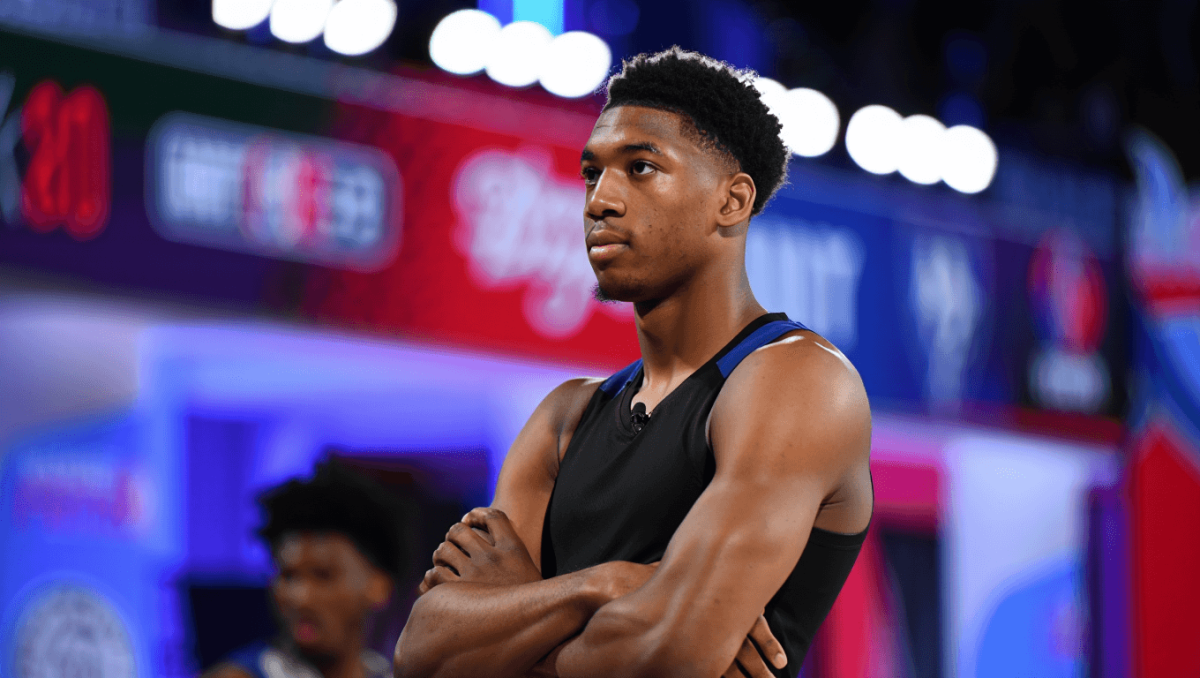
As the NBA Draft approaches, Darryn Peterson finds himself at the center of a tense pre-draft storyline. Once viewed as a surefire top-three selection, the Kansas guard’s choice to restrict meetings to a single franchise has stirred conversation across the league.
Why Peterson’s limited meetings matter to scouts and GMs
League executives expect prospects to meet teams and field questions. Peterson broke that expectation by agreeing to a meeting only with the Washington Wizards. That decision is now being weighed alongside his on-court résumé.
Ted Lasso filming village near London: postcard-perfect spot 25 minutes from airport
Accor’s MGallery lands US flagship in popular NYC hotel
- Access control: Limiting team visits removes exposure to competing front offices.
- Perception risk: Some franchises see selectivity as a confidence move. Others call it a red flag.
- Leverage tactic: Keeping dialogue narrow can be an attempt to steer draft position.
What sources reported and how the news spread
Insiders relayed the story in the days before the draft. Reports credit prominent reporters for confirming Peterson’s stance and outlining which prospects visited multiple teams.
- Reports stated that BYU forward AJ Dybantsa met with more than one top team.
- Peterson’s only confirmed formal meeting: the Washington Wizards, owners of the No. 1 pick.
- Those disclosures quickly shaped talk in draft rooms and mock drafts.
Scouting snapshot: what Peterson brings on the court
Peterson turned heads at Kansas. His scoring burst and playmaking stood out during a single collegiate season.
- Scoring: He averaged 20.2 points per game.
- Rebounding and defense: 4.2 rebounds and 1.2 steals per contest.
- Profile: A high-usage guard with shot-creation skills and scoring instincts.
How teams could read his decision: confidence or a warning sign?
Executives split on motives. Some view selective availability as a modern athlete exercising choice. Others worry about fit or willingness to adapt.
Arguments in favor
- Shows belief in landing at the top of the draft.
- Preserves mental energy and avoids unnecessary travel.
- Makes negotiation simpler if the preferred team selects him.
Concerns raised
- May appear entitled to some decision-makers.
- Limits the chance for other front offices to build rapport.
- Could sink draft stock if teams view the choice as inflexible.
Past examples that shaped perceptions
The league has seen similar moves before. One notable case involved a prospect who refused workouts and interviews yet still went high in the draft.
- That precedent illustrates teams will sometimes draft a player despite concerns.
- But each situation differs by player upside and positional demand.
Where mock drafts have Peterson landing and why
Analysts continue to split scenarios. Some still rank him in the top two because of his scoring and potential.
- Several mock drafts project teams with immediate needs to pick him early.
- Other models factor in the limited meetings and drop him slightly.
- Team watches: Washington and Utah are often mentioned among the favorites.
Fit evaluation: Could Washington be the right match?
If the Wizards use the top pick on Peterson, integration is a key concern. Washington’s backcourt already features established and rising guards.
- Existing talent: a veteran star and multiple young guards are on the roster.
- Potential roles for Peterson: spot scorer, secondary playmaker, or rotational spark.
- How he earns minutes: through shooting efficiency and defensive consistency.
Key variables that will determine his rookie year
- Team choice: Which franchise drafts him will shape his role immediately.
- Coaching fit: Systems that value shot creation suit him best.
- Development plan: Early playing time versus a structured growth timeline matters.
- Health and adaptation: Transitioning to the NBA’s pace is crucial.