Show summary Hide summary
- What the EU is proposing and why it matters
- How compensation rules may change
- Rights for different transport modes and combined trips
- Practical steps travelers should take now
- How to file a complaint and where to go for help
- Timeline for the new rules and enforcement outlook
- Tips for smoother claims and stronger evidence
European travelers may soon find it easier to get refunds, compensation and clear information when journeys go wrong. New EU proposals aim to tighten passenger protections across air, rail, bus and sea travel, simplify claims and make carriers more accountable. Here is what to expect and how to prepare for the changes.
What the EU is proposing and why it matters
The European Commission wants to upgrade the block of rules that govern travel inside the EU. Lawmakers say the goal is to close gaps, reduce claims friction and make enforcement faster. Expect clearer compensation criteria, quicker refunds and better support for passengers with reduced mobility.
Sophia Laforteza of Katseye announces hiatus: comes months after Manon Bannerman’s exit
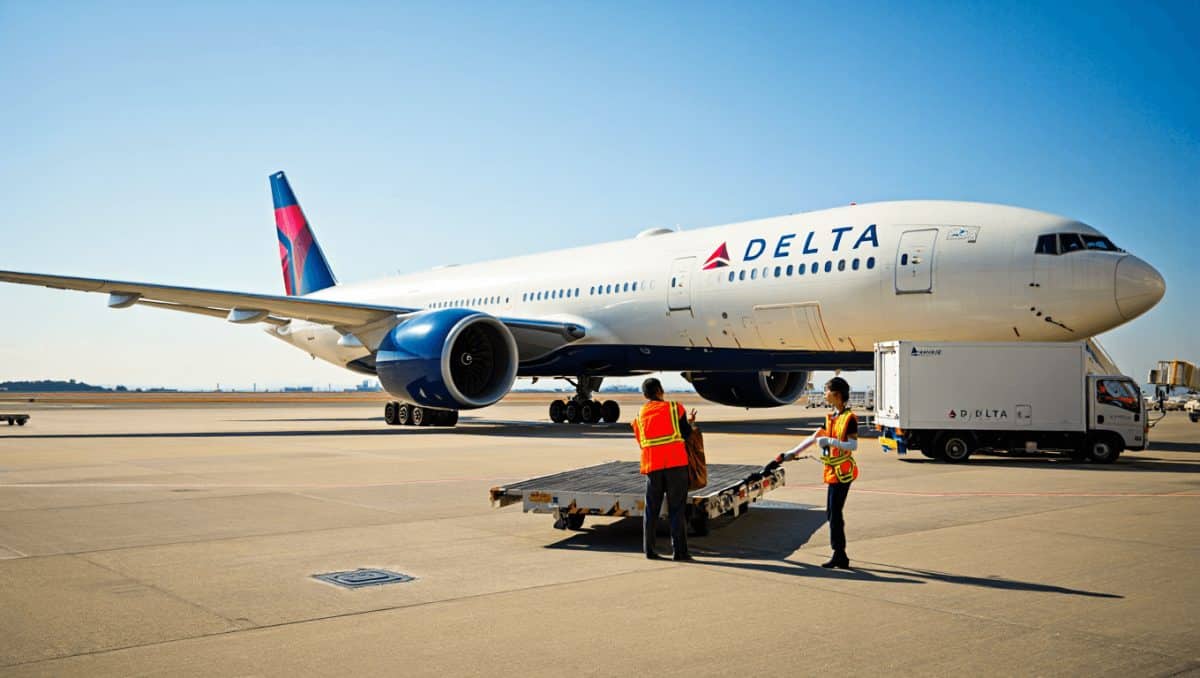
Delta to return to Tokyo Narita hub in 2027: 7-year comeback
- Harmonized rules across transport modes to avoid loopholes.
- Faster processing times for refunds and claims.
- Improved digital tools for submitting complaints and tracking cases.
- Stricter penalties on carriers that ignore rules.
How compensation rules may change
The proposals look to clarify when passengers qualify for payouts and how much they can receive. The aim is to make compensation predictable and easier to claim.
- Clear thresholds for delays and cancellations that trigger compensation.
- Standardized formulas to calculate payouts across different transport types.
- Faster automatic refunds for simple cases, like cancellations caused by carrier decisions.
- Obligations for carriers to provide written explanations and timelines for claims.
Rights for different transport modes and combined trips
These updates aim to make rights consistent whether you travel by plane, train, bus or ferry. They also address multimodal journeys booked as one ticket.
- Air travel: clearer rules on care and compensation for long delays and cancellations.
- Rail travel: stronger assistance and reimbursement rules for delayed and cancelled services.
- Coach and bus: better protection when disruptions leave passengers stranded.
- Ferries and maritime: clearer standards for re-routing, refunds and on-board assistance.
- Combined bookings: protection extended to connections on a single ticket, even across modes.
Practical steps travelers should take now
Until new rules are in force, passengers should prepare to protect their rights. Small actions can make a big difference when seeking compensation.
- Keep all travel documentation: tickets, boarding passes and receipts.
- Note exact times and take photos of departure boards or notices.
- Ask carriers for a written statement on the reason for disruption.
- Use official complaint forms on carrier websites and save confirmation numbers.
- Escalate unresolved cases to national enforcement bodies or consumer centers.
How to file a complaint and where to go for help
If a carrier refuses compensation, several support channels can help. Use official tools to strengthen your case.
- National enforcement bodies: each EU country has an authority that enforces passenger rights.
- European Consumer Centres (ECC-Net) assist cross-border disputes.
- The EU Online Dispute Resolution platform accepts complaints against traders in the EU.
- Consider small-claims court if other routes fail; keep an eye on time limits.
Timeline for the new rules and enforcement outlook
Proposals must pass through the European Parliament and member states. That process can take months or longer. Once adopted, member states will have to apply the rules and designate authorities to enforce them.
- Proposal stage: public consultation and drafting.
- Legislative stage: votes in Parliament and Council.
- Implementation: national authorities update procedures and public guidance.
What enforcement could look like
Authorities may be given stronger powers to fine carriers and to impose corrective measures. Faster dispute resolution and better cross-border cooperation are likely priorities.
Tips for smoother claims and stronger evidence
Good documentation speeds up outcomes. Follow these habits to increase the chance of a successful claim.
- Save electronic tickets and all receipts.
- Record names of staff you speak with and take screenshots of messages.
- Keep a short written timeline of events immediately after the disruption.
- Use official forms and reference the carrier’s complaint number.
- Contact consumer support early, especially for cross-border trips.