Show summary Hide summary
- Why Cartagena is a smarter budget pick than Barcelona
- Sun, sand and dry climate: Cartagena’s weather advantage
- Cultural layers: ancient sites and modern tapas culture
- How much you’ll actually spend in Cartagena
- Beaches and coastal escapes near Cartagena
- Where to eat and what to try in Cartagena
- Practical travel tips for visiting Cartagena
- Safety, convenience and local vibe
- Day trips and nearby highlights from Cartagena
- How Cartagena compares for long stays and remote work
- Booking advice and best times to visit
Barcelona still tops many travelers’ wish lists for Spain, yet crowds, sticker shock, and a growing anti-tourist vibe are nudging planners to look elsewhere. If you want warm weather, coastal life, deep history and a gentler price tag, Cartagena, on Spain’s Murcia coast, is emerging as a smart and sun-soaked alternative.
Why Cartagena is a smarter budget pick than Barcelona
Cartagena is not a mass-tourism machine. That matters. Fewer visitors mean lower hotel rates and calmer streets. It also means restaurants and bars don’t need to charge tourist premiums.
Sophia Laforteza of Katseye announces hiatus: comes months after Manon Bannerman’s exit
Delta to return to Tokyo Narita hub in 2027: 7-year comeback
- Lower daily costs: meals, accommodations and attractions are cheaper than in Spain’s headline cities.
- Less congestion: you’ll walk historic streets without shoulder-to-shoulder crowds.
- Real local life: family-run guesthouses and neighborhood taverns feel authentic.
Sun, sand and dry climate: Cartagena’s weather advantage
Cartagena sits where Mediterranean blue meets warm Saharan air. Summers are hot and mostly dry.
- Daytime highs often reach the mid-90s°F in summer.
- Some heatwaves push temperatures above 100°F.
- Nighttime temperatures stay comfortable, often in the mid-70s°F.
- Low rainfall makes the coast appealing for beachgoers.
Cultural layers: ancient sites and modern tapas culture
Cartagena is an archaeological palimpsest. Phoenicians, Greeks and Romans left tangible marks.
Top historic draws
- Roman Theater: built in the 1st century BC and excavated in modern times. It’s one of the city’s defining landmarks.
- Roman Forum District with baths, temples and streets that reveal urban life from antiquity.
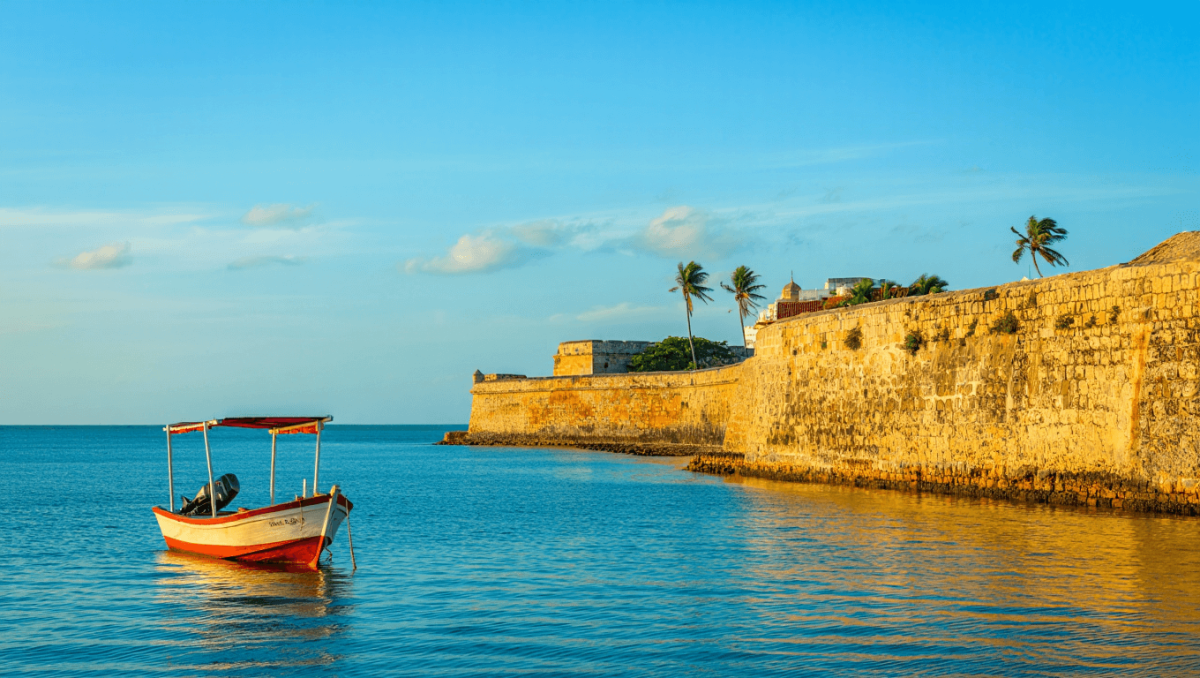
- Castillo de la Concepción, a hilltop fortress with wide views over the harbor and city.
The downtown core pairs ancient ruins with elegant 19th-century facades. Plazas host tapas bars where locals linger over small plates and conversation.
How much you’ll actually spend in Cartagena
Cartagena delivers concrete savings for travelers on all budgets.
- Meals: a mid-range sit-down lunch or dinner in the historic center rarely tops $20.
- Menú del día: expect hearty three-course deals from about $12.
- Hostels: dorm beds from roughly $25 per night.
- Guesthouses: family-run rooms average near $50.
- Full-service hotels: typical rates fall between $70–$100.
- Attractions: the Roman Theater ticket is about €7, and the Castillo de la Concepción around €5.
These numbers make Cartagena an attractive pick for travelers who want the Mediterranean experience without high daily expenses.
Beaches and coastal escapes near Cartagena
The coastline around Cartagena varies from urban coves to protected natural beaches.
- Cala Cortina is the nearest beach to the center, with calm water and easy access.
- Playa de Calblanque is the region’s standout: a mostly undeveloped, protected beach famed for raw scenery.
- La Manga del Mar Menor is a long sand strip with two very different swimming options on either side.
- Most beaches are free to enter; paid parking and lounger rentals are modestly priced.
Where to eat and what to try in Cartagena
Tapas culture here is built on fresh seafood and local rice dishes.
- Look for caldero, a traditional rice stew from the Mar Menor region.
- Small, family-run bars serve seafood tapas at fair prices.
- Rooftop and seaside dining are affordable compared with Spain’s major tourist hubs, with a nice dinner for two often between $40–$60.
Practical travel tips for visiting Cartagena
Plan ahead, especially if you’re traveling internationally this summer.
- Check entry rules and any required permits before you go.
- Public transport connects Cartagena to Murcia and other coastal towns.
- Walking handles most of the city center; bring comfortable shoes for cobbled streets.
- For budget stays, book hostels or guesthouses well before peak season.
Safety, convenience and local vibe
Cartagena feels relaxed and safe. Spain’s traveler safety indexes rate the country highly, and Cartagena tends to be calmer than bigger resort cities.
- Pickpocketing is less pervasive than in some tourist-heavy destinations.
- English is less common than in Barcelona, but staff in hotels and major sites usually manage basic communication.
- Local markets and plazas are great places to meet residents and sample fresh produce.
Day trips and nearby highlights from Cartagena
The Murcia region opens opportunities for short excursions.
- Murcia city offers baroque architecture and regional markets.
- Coastal towns and natural parks like Calblanque are within easy reach.
- La Manga is perfect for a half-day visit to compare lagoon and sea swimming.
How Cartagena compares for long stays and remote work
For slow travel and extended stays, Cartagena ticks many boxes.
- Lower living costs make month-long stays more affordable.
- Coastal climate and local cafés suit digital nomads who prefer quiet over hustle.
- Accommodation options include short-term rentals at prices far below big-city Spanish rates.
Booking advice and best times to visit
Consider shoulder seasons for cooler weather and even fewer tourists.
- Late spring and early autumn offer warm days and lighter crowds.
- Summer is reliably dry but can be very hot; book accommodations early.
- Look for local festivals and markets to experience authentic regional culture.