Show summary Hide summary
- Why Global Entry kiosks are being reconsidered
- What the new camera technology does
- Where the trials are happening and the timeline
- Security and privacy questions travelers raise
- How the walk-through process works for passengers
- Benefits airports and passengers may see
- Concerns for travelers to consider now
- Regulatory and technical hurdles ahead
- How this fits into a wider trend at airports
Air travelers may soon pass through passport control without pausing at a kiosk. U.S. border officials are testing camera-based systems that can verify Global Entry members as they walk, promising quicker processing and shorter lines at major airports.
Why Global Entry kiosks are being reconsidered
Global Entry has long relied on touch-screen kiosks to speed re-entry into the U.S. Those machines reduced wait times but still required each passenger to stop, scan documents, and follow prompts. The new approach aims to remove that pause.
Sophia Laforteza of Katseye announces hiatus: comes months after Manon Bannerman’s exit
Delta to return to Tokyo Narita hub in 2027: 7-year comeback
Officials want a faster, more fluid flow through arrival halls. Airports increasingly need systems that handle rising passenger volumes without expanding physical space.
What the new camera technology does
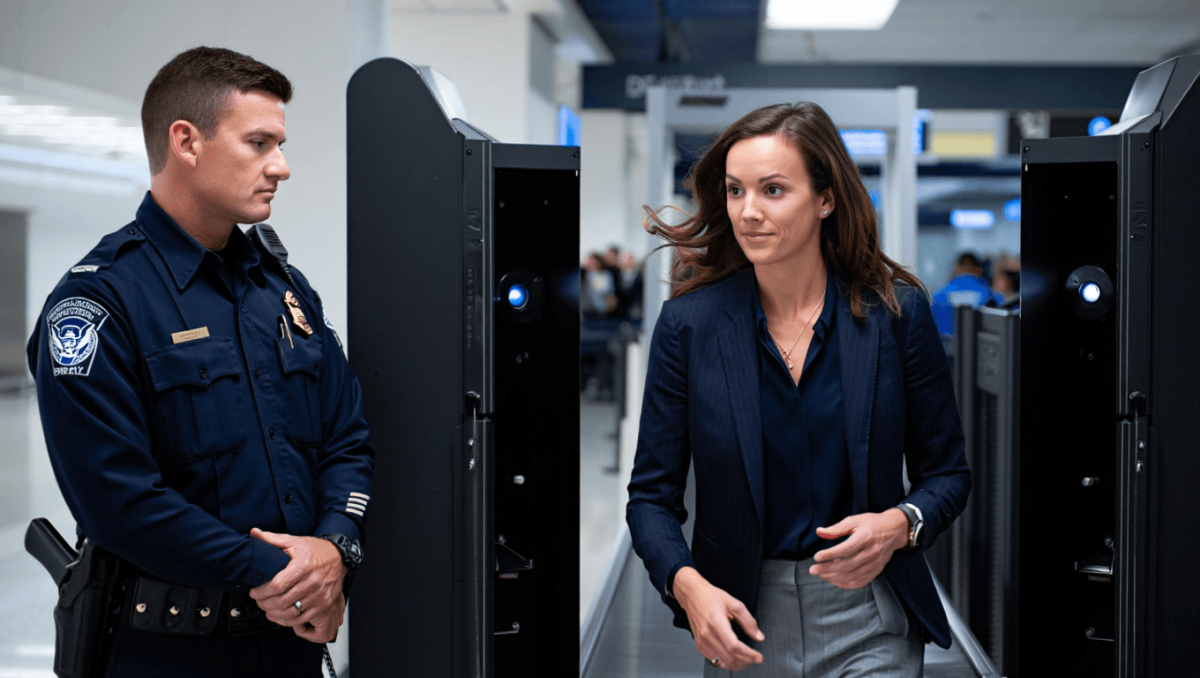
The pilot uses high-resolution cameras and biometric software to confirm identity while people walk. The system matches faces to Global Entry records and cross-references travel documents.
- Facial recognition checks the traveler against enrolled profiles.
- Document readers verify passport data automatically.
- Sensors log movement so the system knows who has passed through.
The goal: authenticate travelers without a physical interaction with a kiosk.
Where the trials are happening and the timeline
Trials have been reported at several large U.S. airports that see heavy international traffic. Not every terminal is involved yet.
- Initial installations are in select arrival corridors.
- Trials are staged to evaluate performance at different passenger volumes.
- Further rollouts depend on test outcomes and regulatory approval.
The precise schedule for a full deployment remains under review.
Security and privacy questions travelers raise
Biometric systems spark debate about data handling and oversight. Privacy advocates want clear rules on storage, retention, and secondary uses of images.
- How long will face images be kept?
- Who can access the data?
- What safeguards prevent misuse?
Border agencies say controls are in place, but civil-rights groups press for independent audits. Transparency and strong safeguards will influence public acceptance.
How the walk-through process works for passengers
Enrollment in Global Entry remains required. Members will be flagged for the new system during re-entry.
- Traveler approaches the arrival corridor.
- Cameras capture biometric data in motion.
- System matches the live image to the traveler’s enrolled profile.
- Passport data is checked electronically for consistency.
- Approved travelers proceed to baggage claim.
If the system cannot verify someone, they are diverted to a manual checkpoint for further inspection.
Benefits airports and passengers may see
- Shorter queues and reduced crowding at kiosks.
- Faster processing for frequent travelers.
- Potential for smaller infrastructure footprints at arrival halls.
Airports could free up staff to focus on higher-risk passengers and operational tasks.
Concerns for travelers to consider now
Not all Global Entry members will immediately use the system. Travelers should check airline and airport updates before flying.
- Carry all required travel documents as backup.
- Allow extra time until the system is fully validated.
- Understand option routes if automated clearance fails.
Practical tip: keep proof of enrollment and a valid passport easily accessible during arrival.
Regulatory and technical hurdles ahead
Agencies must balance speed with legal and ethical standards. Technical accuracy, bias testing, and data protection are core concerns.
Engineers will run large-scale validation to ensure the system performs across diverse populations and lighting conditions.
How this fits into a wider trend at airports
Many countries are shifting toward biometric corridors and contactless processing. The move mirrors global efforts to modernize passenger screening systems.
- Biometric gates for domestic and international flights are increasing.
- Touchless options grew during the pandemic and kept momentum.
- Integrated systems aim to streamline the entire passenger journey.
For frequent international travelers, these trials could mark the start of a smoother, less interrupted arrival experience at U.S. airports.