Show summary Hide summary
- Why Alaska is moving planes from Mexico to Hawaii
- Which services are affected and how travelers are impacted
- How this fits into Alaska’s broader network strategy
- What competitors and local markets might expect
- Practical tips for affected passengers and frequent flyers
- What to watch next for travelers and investors
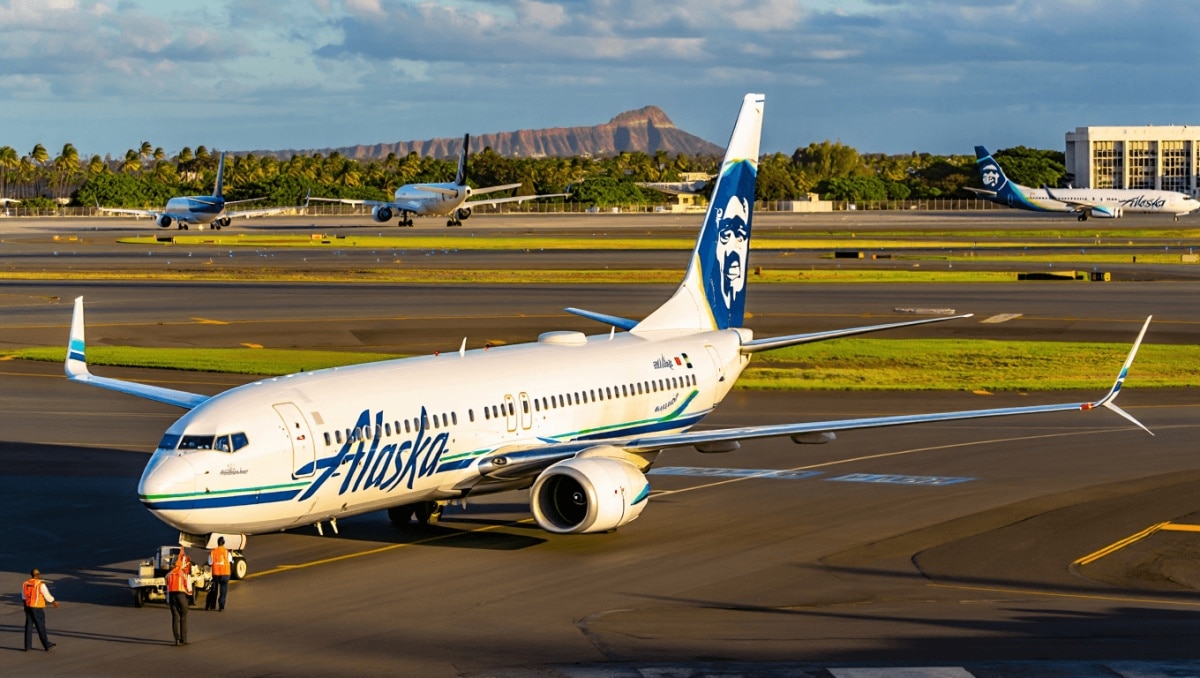
Alaska Airlines is reshuffling its route map, cutting five routes to Mexico to free up aircraft for a ramp-up of service to Hawaii this season. The move reflects a shift in demand and a strategic bet that carrying more travelers to the islands will yield better returns than some sun-and-sand connections to the mainland of Mexico.
Why Alaska is moving planes from Mexico to Hawaii
Airlines constantly adjust schedules to match traveler demand. In this case, Alaska is redirecting capacity where it sees stronger summer demand. The Pacific market to Hawaii has shown robust leisure travel and higher yields. At the same time, some Mexico routes face softer demand or seasonal dips.
Dolly Parton: the surprising true story behind I will always love you
Miley Cyrus gushes over godmother Dolly Parton: the most loved person on the planet
- Demand patterns: Booking trends show a pickup for Hawaii travel this year.
- Revenue management: Higher average fares to the islands can justify reallocating planes.
- Seasonality: Summer travel often boosts inter-island and transpacific bookings.
Which services are affected and how travelers are impacted
The airline announced cuts to five Mexico routes as part of a broader schedule update. Alaska said affected passengers will be offered alternatives on other flights or refunds where needed. Travelers should review their itineraries and confirm any automatic rebookings.
- Check your reservation for new flight times.
- Expect options such as rebooking on other Alaska flights or refunds.
- Contact Alaska or your travel agent if you need help with connections.
How this fits into Alaska’s broader network strategy
Redirecting aircraft can be a cost-effective way to chase stronger markets without adding new planes. For Alaska, reallocating flying from some Mexico routes to Hawaii may balance fleet use and improve unit revenues. The change also aligns with seasonal leisure demand and partnership scheduling with other carriers.
Operational factors behind the shift
- Aircraft utilization and crew scheduling.
- Codeshare and alliance timing for connecting passengers.
- Competitive dynamics on West Coast–Hawaii lanes.
What competitors and local markets might expect
Shifts like this can open opportunities for other carriers. Competitors may step in to serve markets vacated by Alaska. Local airports in Mexico could see reduced frequency. Conversely, Hawaiian airports and tourism partners may see increased service and promotional activity.
Practical tips for affected passengers and frequent flyers
If your trip is impacted, act early. Change fees and options vary by ticket type. Loyalty members should check for re-accommodation benefits and potential mileage re-credit for canceled segments.
- Review Alaska’s email or text alerts for rebooking details.
- Call customer service if automatic options don’t work for you.
- Look for alternate routings via other West Coast hubs.
- Frequent flyers: monitor elite benefits for rebooking assistance.
What to watch next for travelers and investors
Watch Alaska’s published schedules and press updates. Seasonal adjustments often change as demand evolves. Industry watchers will track whether the Hawaii capacity increase boosts yields and load factors.
Travelers should confirm flights before departure and monitor fare trends if planning new trips to Mexico or Hawaii. Airlines often make more changes as peak travel weeks approach.