Show summary Hide summary
- From tourist to trending creator: a rapid rise at the World Cup
- What U.S. retail and food chains are getting from World Cup visitors
- Why simple, everyday experiences win online
- Brands scrambling to tap visiting creators
- Tourists, players and the retail spectacle
- Case study: what caught Shaun Alexander’s eye
- What experts say about the long-term effects on retail
- How creators and brands can make the most of the moment
- Why audiences tune in to strangers shopping abroad
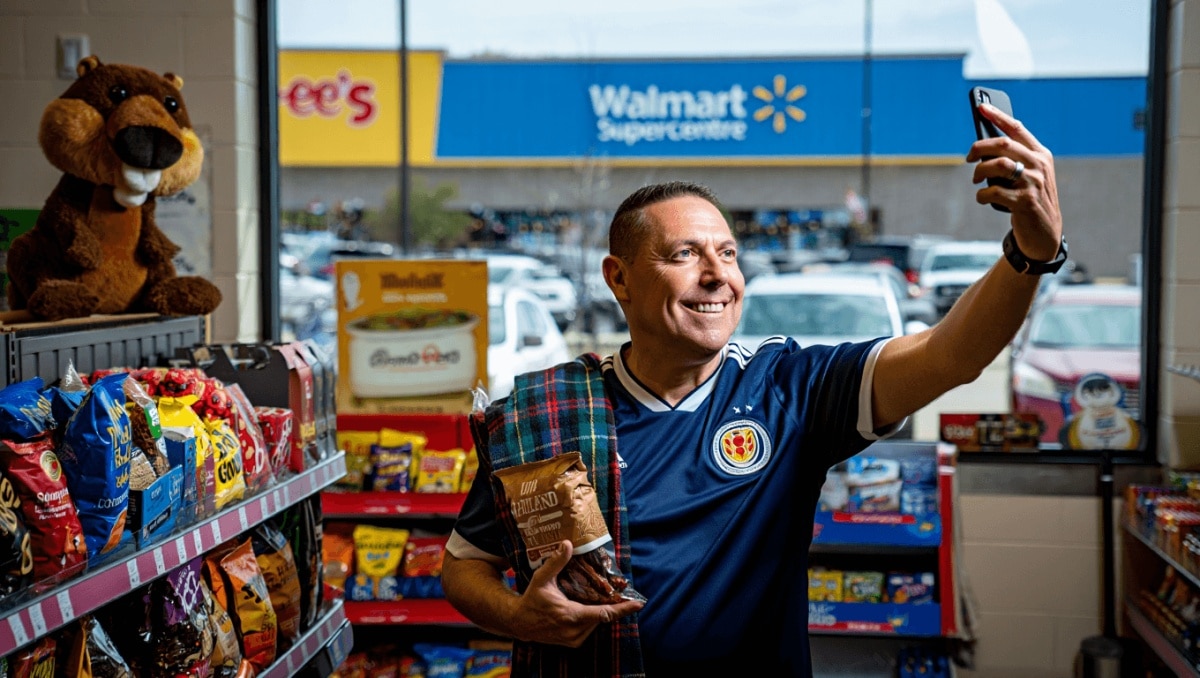
Shaun Alexander touched down in the U.S. eager to see Scotland back at the World Cup after nearly three decades. What began as a fan trip quickly morphed into a surprising social media moment that put him in front of new audiences and into a paid partnership with an American fast-food chain.
From tourist to trending creator: a rapid rise at the World Cup
Alexander, who posts as Shaunvlog, normally documents travel finds and food experiments for about 50,000 followers. His recent clips of trying classic American snacks and wandering big-box stores exploded online during the tournament. Within days his Instagram, X and TikTok profiles accrued tens of thousands of followers and hundreds of thousands of likes.
Justin Timberlake finally confirms if what goes around was about Britney Spears: 20 years on
Druski hosts SNL tonight: how to stream for free
The spike brought offers. Sonic engaged him to film a first-time corndog taste test. Other brands reached out, some with odd fit-for-purpose ideas, such as on-demand IV services after a post about his wife falling ill on the road. Alexander said the sudden demand for collaborations has temporarily made his marketing consultancy feel like the second job.
What U.S. retail and food chains are getting from World Cup visitors
Retailers and restaurants are enjoying unexpected visibility. Creators from abroad are turning everyday shopping trips into bingeable content for millions following the tournament. Clips featuring Walmart aisles, Target haul reveals and gas-station marvels draw attention and spark conversations.
- Free publicity: Viral videos act like spontaneous ads, exposing brands to global viewers.
- Increased foot traffic: Cities hosting matches see more tourists and curiosity-driven store visits.
- Short-term sales lifts: Souvenirs and impulse buys benefit from event-driven crowds.
Industry observers caution that the buzz may not become long-term revenue. Many products shown in these clips are U.S.-centric and hard to ship abroad. Still, the immediate traffic and online chatter are valuable for brand recognition.
Why simple, everyday experiences win online
Marketing experts say audiences favor genuine, first-time reactions to common places. Watching a visitor marvel at an ice machine in a convenience store, or share a baffled love for a corn dog, checks several boxes for sharable content.
High-performing ingredients
- Culture shock and wonder
- Food-first reactions
- Relatable shopping experiences
- Short, emotional storytelling
Vivien Garnès, an influencer-agency CEO, notes that these clips combine formats that social platforms reward. They invite debate, comments and shares, and they feel authentic rather than staged. That authenticity is often what pushes a post beyond its creator’s usual reach.
Brands scrambling to tap visiting creators
As creators like Alexander gain traction, marketing teams move fast to propose deals. Some offers are straightforward paid posts. Others involve sending free merchandise or invitations to collaborate while creators are on location. That outreach can be mutually beneficial, but requires care.
Garnès urges brands not to upend their creative approach the moment a clip goes viral. Instead, she recommends supporting the creator’s authentic voice and boosting successful content with paid spend. This approach amplifies what already resonates without losing trust.
Tourists, players and the retail spectacle
It’s not only independent creators exploring American retail. Players have been seen browsing U.S. stores during downtime. One rising Spanish star was photographed at a Georgia Walmart picking up snacks and essentials. Those sightings add celebrity sheen to the trend and draw more eyes to everyday chains.
For retailers, the World Cup acts as a magnet. Stores in host cities capture more visitors, while viral clips from abroad turn routine shelves into showcase moments. Some chains are now fielding influencer requests and handing out swag to visiting content creators.
Case study: what caught Shaun Alexander’s eye
Alexander’s favorites were the unexpected. He gushed about the scale and novelty of Buc-ee’s ice machines and declared Bass Pro Shops his top U.S. retail discovery because of his love for fishing. His posts present a mix of wonder, humor and candid commentary.
- Sonic corndog taste test: paid collaboration following a popular clip.
- Buc-ee’s ice machine: organic viral post that drew wide interest.
- Bass Pro Shops: personal favorite shared with an engaged audience.
He says he is selective about paid work. Brands must align with the moment and feel natural, or the promotion risks coming off as manufactured. For now, Alexander prioritizes authentic experiences tied to the World Cup adventure.
What experts say about the long-term effects on retail
Retail analysts credit the World Cup for driving short-term gains. The event spurs sales of branded merchandise and pushes extra customers into stores. Viral travel videos are a bonus, giving retailers free international exposure.
Yet, experts also warn the effect is often fleeting. Many of the items featured are U.S.-only and do not translate into overseas sales. The true value lies in brand awareness and the cultural conversations these clips ignite.
How creators and brands can make the most of the moment
Successful collaborations during events should balance spontaneity with strategic support. Tips for both sides include:
- Let creators keep their authentic voice.
- Choose partnerships that fit the creator’s story.
- Use paid promotion to amplify organically successful posts.
- Offer experiences or products that can be enjoyed immediately.
When those elements align, brands can benefit from the tournament’s global attention without sacrificing credibility.
Why audiences tune in to strangers shopping abroad
Viewers crave fresh perspectives on familiar places. Watching a first-time visitor navigate an American store offers both entertainment and a cultural snapshot. These moments humanize travelers and make mundane retail spaces feel new again.
That blend of discovery and relatability helps explain why so many World Cup-era clips are catching fire online. For creators, it’s an opportunity. For brands, it’s a fleeting but potent stage.