Show summary Hide summary
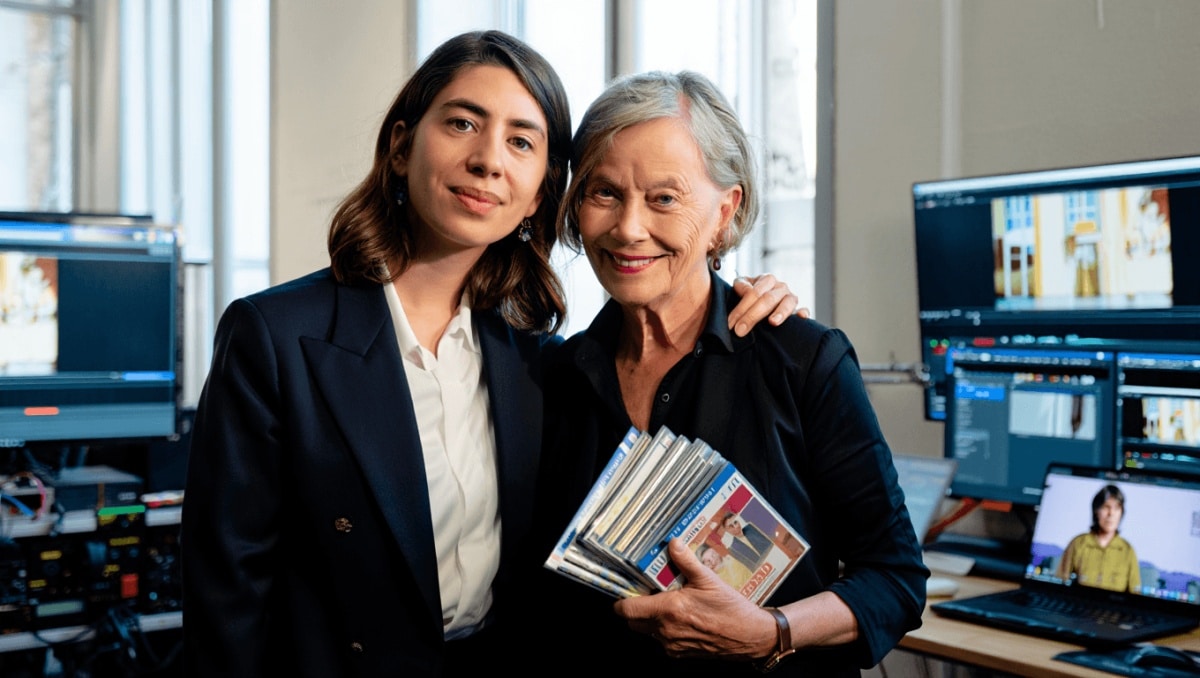
When Sofia Coppola made her third feature two decades ago, she had a secret chronicler at work: her mother, documentarian Eleanor Coppola. The elder Coppola quietly recorded the chaos, craft and tender moments of the set, leaving behind hours of unseen material that has now been shaped into a new film. That archive is emerging as Making Marie Antoinette, a behind-the-scenes documentary that MUBI will distribute worldwide.
From private tapes to a finished documentary
During production on Sofia’s 2006 period drama, Eleanor Coppola filmed extensively. Reportedly, she captured roughly 80 hours of footage, aiming to tell the story of her daughter’s experience as a young director. After Eleanor’s death in 2024, the fate of those recordings was uncertain.
Kylie Kelce finally breaks silence on Travis and Taylor Swift’s star-studded MSG wedding
Project Runway season 22: how and when to watch for free
Under her own wishes, the material was not shelved. Sofia and collaborators began revisiting the tapes during lockdown. Editors and friends then shaped the footage into a cohesive film.
What viewers will see inside the film
The documentary reveals both the nuts-and-bolts of production and the emotions behind the camera. Expect sequences that spotlight:
- Costume creation and fittings with designer Milena Canonero.
- On-set direction, rehearsals and technical problem solving.
- Quiet, observational moments between mother and daughter.
- Written reflections from Eleanor’s journals, read aloud.
The film aims to balance the spectacle of a landmark costume drama with intimate glimpses of family and craft. Producers say it offers a rare portrait of a female filmmaker in her early career.
Voices, editing and contributors
Aaron Matthews led the editing process, working with input from Eleanor’s close friends Davia Nelson and Liz Bird. To give Eleanor’s presence a speaking voice, actress Diane Lane reads passages from her journals. That narration frames much of the observational footage and adds a reflective thread throughout.
Sofia Coppola described the experience as deeply personal. She and others sifted through the archive and reconstructed a narrative that honors Eleanor’s intent to transform her set recordings into a feature-length documentary.
Creative credits and roles
- Archival cinematography: Eleanor Coppola
- Editor: Aaron Matthews
- Editorial contributors: Davia Nelson, Liz Bird
- Narrator: Diane Lane
- Featured: Milena Canonero and the costume craft team
Why this documentary matters now
The timing adds resonance. The original film that inspired the archive won an Academy Award and marks a milestone in Sofia Coppola’s career. The documentary arrives around its 20th anniversary, offering fresh perspective on the production and the director’s early voice.
Beyond fan interest, the project serves as a study of filmmaking itself. It highlights the collaborative labor behind period cinema and the vulnerabilities of a young director navigating a demanding shoot.
Distribution and next steps
MUBI has acquired worldwide distribution rights and will release the film according to a schedule it will announce later. For now, festival screenings and official release dates remain pending.