Show summary Hide summary
- What the state lawsuit claims about market concentration
- Who is leading the challenge and why it matters
- How the Department of Justice views the deal
- Antitrust law at issue: the Clayton Act and distribution dynamics
- Timeline, deal mechanics, and regulatory hurdles ahead
- Potential consequences for theaters, distributors, and viewers
- Responses and what to watch next
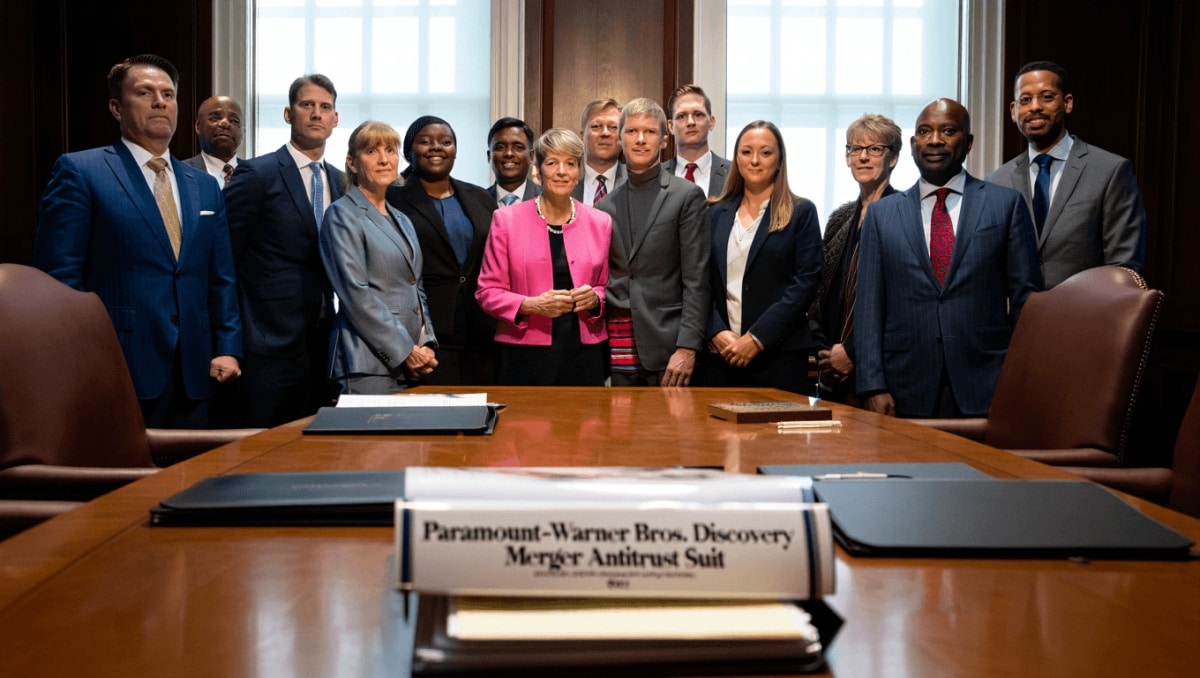
A dozen states have launched a legal fight to stop the proposed $111 billion merger of Paramount and Warner Bros. Discovery, arguing the deal would reshape the U.S. film and cable markets and hurt consumers, theaters and distributors.
What the state lawsuit claims about market concentration
State attorneys say the combination would sharply reduce competition among major studios and cable owners. The legal filing contends the transaction would violate federal antitrust law by concentrating control over high-profile theatrical releases and basic cable channels.
Duncan Sheik cause of death revealed: what killed the barely breathing singer
American Airlines, Starlux expand codeshare deal: more routes and smoother connections
- Control of wide-release films: The complaint asserts the merged company would join three other studios to dominate distribution, accounting for more than 85% of U.S. wide-release theatrical titles.
- Basic cable market share: The suit warns that, post-merger, two companies — the combined entity and Disney — would control roughly 59% of basic cable channels offered to U.S. distributors.
- Revenue implications: Regulators argue the deal would allow the new company to capture more than a quarter of every dollar generated by wide-release films and basic cable in the U.S.
Who is leading the challenge and why it matters
California Attorney General Rob Bonta is steering a coalition of 12 states in the suit. They claim the merger would “extinguish competition” between the two studios and inflict harm on theaters, cable providers, and viewers.
Stakeholders flagged in the complaint
- Movie theaters, particularly those relying on wide-release blockbusters.
- Basic cable distributors that license channel bundles to consumers.
- Audiences nationwide facing the prospect of reduced choice and higher prices.
How the Department of Justice views the deal
Last month, the U.S. Department of Justice took the opposite view. DOJ officials said the merger would spur competition and yield benefits for American consumers and workers.
The states now provide the final domestic opposition DOJ identified. The split between federal authorities and state attorneys sets the stage for a courtroom showdown over how to measure media-market harms.
Antitrust law at issue: the Clayton Act and distribution dynamics
The complaint relies on the Clayton Act to argue the merger would substantially lessen competition. Plaintiffs focus on three areas:
- Distribution and licensing of top-grossing theatrical films in the U.S.
- Wide-release theatrical distribution channels and exhibition patterns.
- Licensing of basic cable channels to national and regional distributors.
Timeline, deal mechanics, and regulatory hurdles ahead
Paramount planned to complete the transaction before a September 30 deadline. Missing that target triggers a “ticking fee” that forces the company to pay shareholders extra each quarter the deal remains open.
- Paramount must still secure approvals abroad, including regulators in the U.K. and the European Union.
- The states’ complaint is the last major domestic legal obstacle.
- Should litigation proceed, the case will test how courts weigh market share statistics and vertical licensing effects in media deals.
Potential consequences for theaters, distributors, and viewers
State lawyers argue the merger could limit the number of studios competing for theater bookings and cable carriage agreements. That, they say, could translate to fewer film choices and less bargaining leverage for exhibitors and distributors.
The core concern: a combined studio with enlarged negotiating power over theatrical release windows and cable licensing fees.
Responses and what to watch next
Paramount had not yet publicly answered the states’ filing. Industry observers will be watching court filings and foreign regulatory rulings for signals about the deal’s fate.
Expect additional motions and possible injunction requests as the states press their claims and the companies defend the transaction.