Show summary Hide summary
- Retail meets prediction markets: a novel e-commerce promotion
- How Kalshi and PlayAbly made the hedge possible
- Why Forme tried a sports-themed refund campaign
- What happened when the bet didn’t come through
- Industry examples and expert perspective
- Balancing risk, targeting and customer acquisition
- Marketing outcomes and the path forward for prediction-based promos
- Practical steps for brands considering similar promotions
- Potential expansion across sports and events
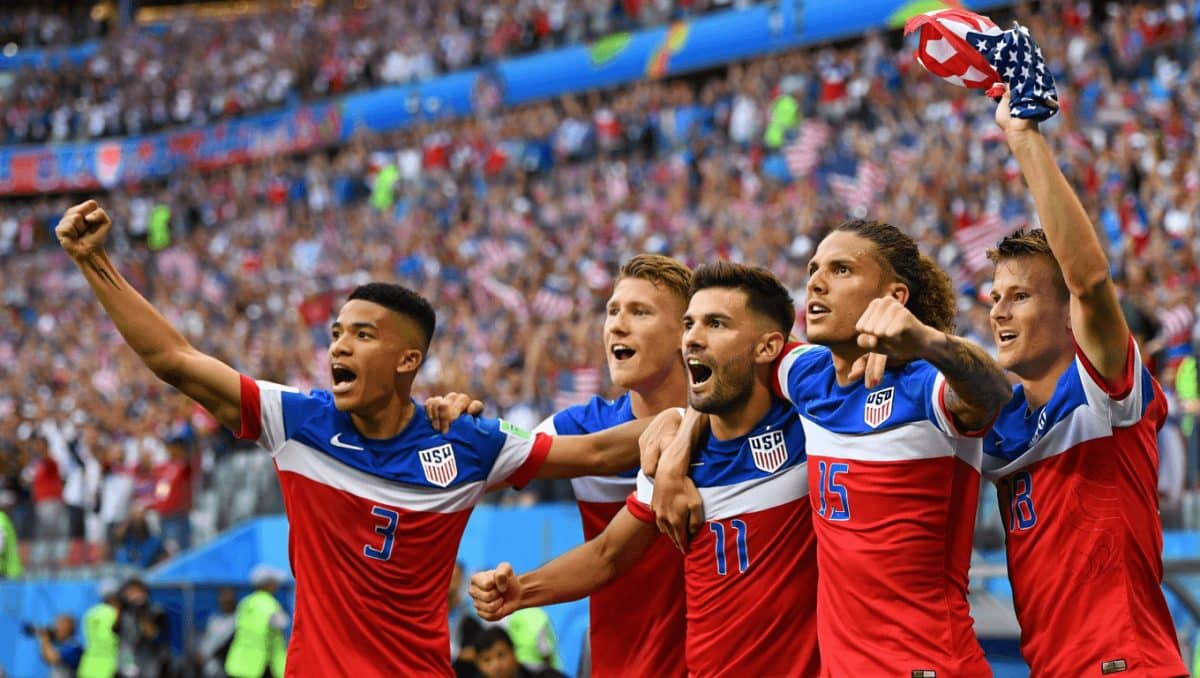
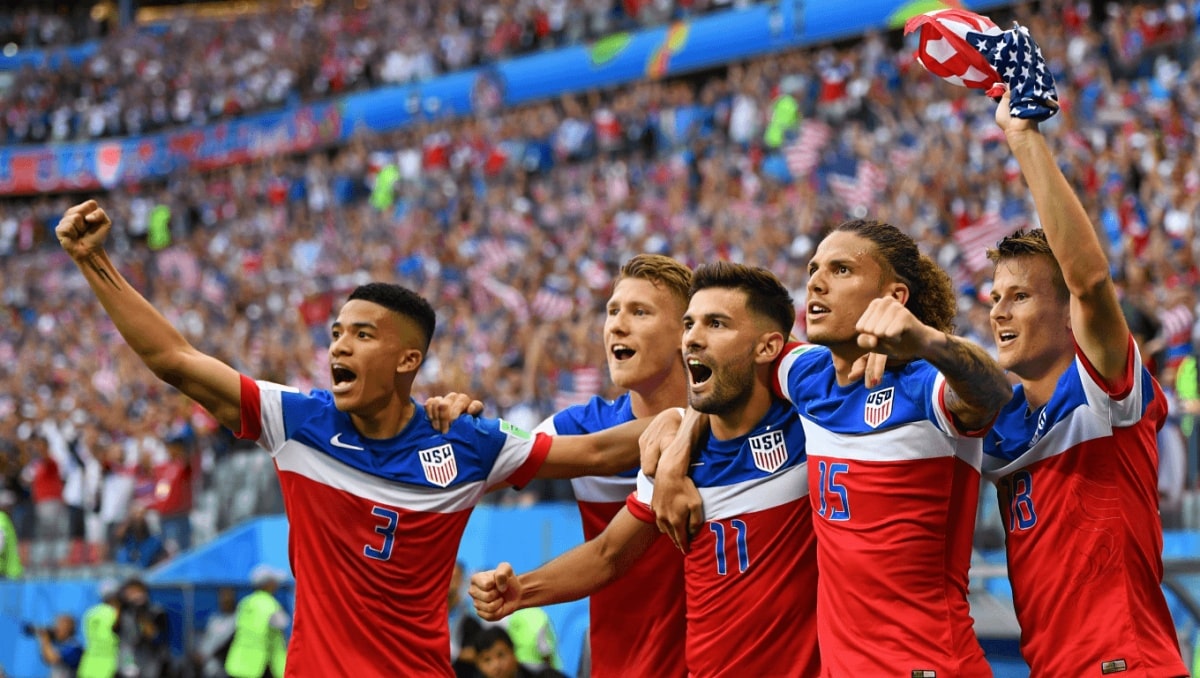
Forme, a sportswear maker known for posture-correcting apparel, quietly turned its online checkout into a marketing experiment tied to sports odds. The brand ran a limited-time offer that promised full refunds if the U.S. Men’s National Team reached the World Cup final — a gamble underwritten through prediction market firm Kalshi and processed by PlayAbly — and the stunt drew a spike in traffic even though the team fell short.
Retail meets prediction markets: a novel e-commerce promotion
Between June 26 and June 30, customers who entered the code “Team USA” at checkout qualified for a conditional refund. If the U.S. advanced to the World Cup final, buyers would receive a complete cash refund on their purchase, excluding taxes and shipping.
Kylie Kelce finally breaks silence on Travis and Taylor Swift’s star-studded MSG wedding
Project Runway season 22: how and when to watch for free
The offer tied a purchase to a sports outcome, turning routine online shopping into a predictions-based promotion. Forme said the campaign drove sizeable interest in its menswear line, multiplying traffic to key product pages.
How Kalshi and PlayAbly made the hedge possible
The promotion was not funded out of pocket in the usual way. Instead, Forme transferred the risk to a marketplace and a promotions processor.
Roles and responsibilities
- Kalshi: Provided the prediction market contract that determined whether the qualifying outcome occurred.
- PlayAbly: Acted as the payout processor and underwriter for the retail promotion.
- Forme: Paid an underwriting fee to shift the financial exposure and promoted the offer to its customers.
According to Nicolas Hull, director of business development at Kalshi, this setup lets retailers treat prediction markets as a kind of business insurance. Brands can create attention-grabbing promotions while limiting downside.
Why Forme tried a sports-themed refund campaign
Alan Chen, Forme’s vice president of finance, said Kalshi approached the brand about the concept. Forme saw an opening to showcase its U.S.-made products and to expand awareness of its men’s lineup.
- Forme is known for posture-focused garments like the Smart Tee and Arch Booster Sock.
- The brand wanted to nudge its reputation beyond women’s products and into men’s sportswear.
- Timing the promo around the World Cup created buzz and relevance.
Chen described the promotion as a cautious test. The company promoted it selectively through email, SMS and social channels to measure customer response without overexposing the risk.
What happened when the bet didn’t come through
The U.S. team lost its match, eliminating the refund trigger. Customers who had hoped for a full cash return did not receive one because the condition was not met.
Still, Forme reported meaningful marketing returns. The brand said menswear traffic quadrupled week-over-week, and interest in its top men’s styles surged nearly 20-fold.
Industry examples and expert perspective
The Forme campaign is part of a wider trend of brands experimenting with wagers and contingent refunds.
- Bars and local businesses have hedged sports payouts by buying prediction contracts.
- Retailers have historically offered refunds tied to longshot sports outcomes to generate headlines.
- Prediction marketplaces now make it easier to transfer that exposure to a traded contract.
Martin Conway, an adjunct professor of sports marketing at Georgetown, noted that the concept itself isn’t brand-new. What is different is platforms like Kalshi providing a formal market layer to underwrite the risk.
Conway said the growing public awareness of prediction markets makes this a more viable tactic for marketers. If the approach proves effective, it could scale to other major events such as the Olympics or league finals.
Balancing risk, targeting and customer acquisition
Experts caution that these campaigns require careful planning. A single unpredictable result can trigger large payouts if a promotion is not tightly controlled.
Conway emphasized the need to match the promotional structure to the company’s goals. Brands should ask what customer acquisition they expect and how much risk they can tolerate.
- Choose outcomes with odds that align to budget and marketing objectives.
- Limit the promotion window and audience to reduce exposure.
- Use underwriting fees to transfer significant downside to a third party.
Marketing outcomes and the path forward for prediction-based promos
Forme used the experiment to engage existing customers and to tap into Kalshi’s largely male audience. The brand is also exploring more partnerships in professional sports, including a sponsorship with the MLB Players Association.
By structuring the offer through an external prediction market and a payouts partner, Forme preserved control while creating a headline-friendly promotion. The tactic gave the company a fresh way to highlight its U.S.-made positioning and to steer traffic toward its growing men’s collection.
Practical steps for brands considering similar promotions
- Define clear terms and disclose exclusions, such as taxes and shipping.
- Work with a market platform to price and hedge the outcome.
- Engage a promotions processor to handle payouts and underwriting.
- Promote cautiously to the right customer segments first.
- Model worst-case scenarios to avoid unsustainable liabilities.
Potential expansion across sports and events
If prediction-market hedges continue to deliver sales lift at contained cost, expect more retailers to test them. Sports occasions offer natural hooks, but other cultural moments could work too.
For now, the Forme promotion shows how brands can use prediction markets as both a marketing lever and a risk-management tool. The idea blends commerce, fandom and financial markets in a single campaign.