Show summary Hide summary
- Delta’s clues: what the airline is signaling about new 787s
- What the premium layout might include on the Boeing 787 Dreamliners
- How a three-class layout could reshape the 787 cabin
- Delivery timing and fleet planning for the Dreamliner order
- Passenger experience: what travelers can expect
- Commercial impact: revenue, loyalty, and competition
- Routes most likely to get the new Dreamliners first
- How this stacks up against rival carriers
- Operational and crew implications of a premium-focused 787
- What to watch next for confirmation and details
Delta Air Lines is signaling a shift in how it will outfit incoming Boeing 787 Dreamliners, teasing a more upscale cabin mix that aims to lure long-haul travelers. The hints suggest Delta wants a distinct edge in comfort and service, with a layout that emphasizes premium seating without neglecting economy passengers.
Delta’s clues: what the airline is signaling about new 787s
Delta has shared subtle indications about its next-generation widebodies. Executives and industry observers say the carrier is leaning toward a higher proportion of premium seats.
Sunny Hostin’s 24-year-old son cited for trespassing on Metro-North tracks: she name-drops The View
Blake Garrett cause of death revealed: How to Eat Fried Worms child star’s death explained
- Delta spokespeople have confirmed an emphasis on passenger experience upgrades.
- Internal planning documents and supplier talks point to a refined cabin strategy.
- Competitive pressure on lucrative long-haul routes appears to be a driving factor.
Delta’s move reflects a broader trend among major airlines to monetize comfort on international flights.
What the premium layout might include on the Boeing 787 Dreamliners
While final plans are not public, several features are likely if Delta follows current premium trends.
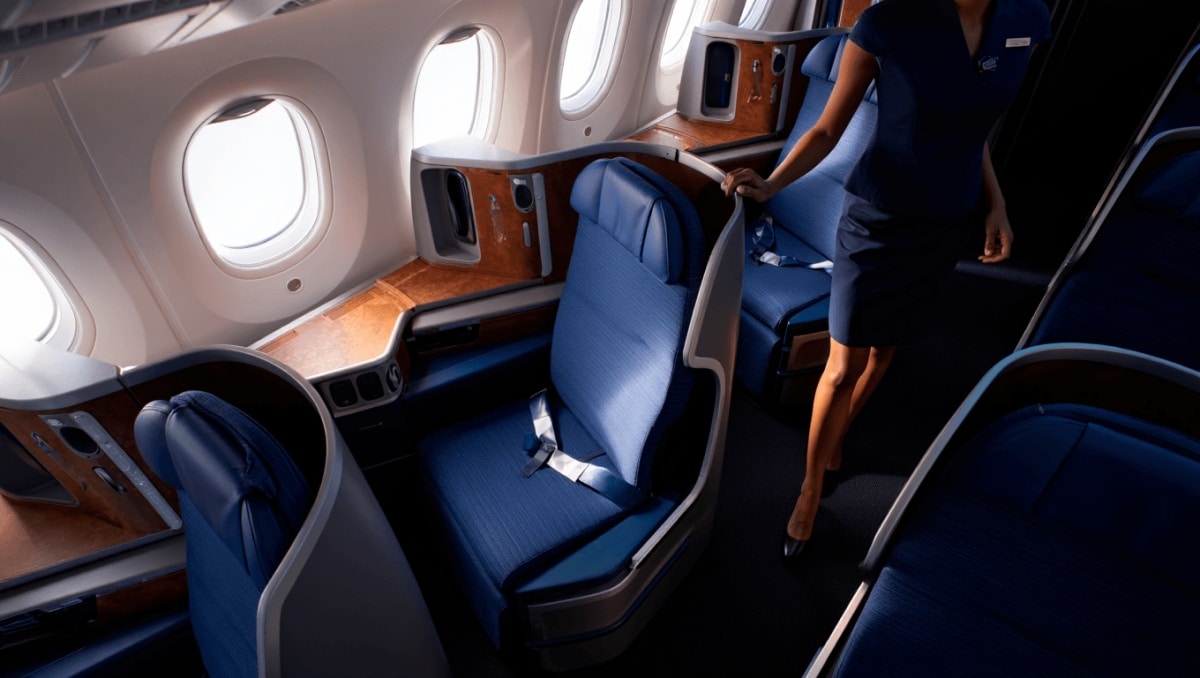
- Delta One-style suites or lie-flat business seats with direct aisle access.
- A dedicated premium economy cabin with wider seats and extra legroom.
- Enhanced in-flight entertainment and connectivity in all classes.
- Thoughtful design touches, like upgraded lighting and storage solutions.
These elements aim to improve comfort on transoceanic and long domestic services.
How a three-class layout could reshape the 787 cabin
Industry analysts expect a three-class configuration to balance revenue and capacity. That often means Delta will allocate space differently than older 787s.
Possible seat mix
- Business class: fewer rows but more space per passenger.
- Premium economy: a larger section than before to capture mid-tier travelers.
- Economy: optimized density with smarter amenities to maintain profitability.
More premium seats typically reduce total passenger count but increase per-seat revenue.
Delivery timing and fleet planning for the Dreamliner order
Delta’s schedule for taking delivery of new 787s will influence when passengers see the new cabins. Aircraft makers and leasing partners play key roles in timing.
- Manufacturer delivery windows can shift based on production rates.
- Delta must balance fleet retirements with new arrivals to avoid capacity gaps.
- Route planning will determine which destinations get the new 787s first.
Where Delta places these jets will reveal priorities: long-haul hubs or premium domestic markets.
Passenger experience: what travelers can expect
Upgraded cabins usually mean practical and visible changes for flyers. Delta’s hints point to a focus on comfort and convenience.
- More privacy and direct-aisle seats in business class.
- Premium economy perks such as larger screens and priority boarding.
- Improved Wi-Fi and entertainment across the aircraft.
- Better meal service and curated amenity kits on long sectors.
Frequent flyers and premium customers may see the biggest benefits soonest.
Commercial impact: revenue, loyalty, and competition
Adding premium capacity can reshape revenue per flight. Delta’s strategy is likely tied to maximizing yield on profitable routes.
- Higher-margin premium seats boost overall revenue potential.
- Enhanced cabins help Delta compete against international rivals.
- Loyalty program upgrades can retain top-tier customers.
Airlines often accept fewer total seats to win higher fares from business travelers.
Routes most likely to get the new Dreamliners first
Delta will probably assign the new 787s to markets where premium demand is strong.
- Transatlantic routes between the U.S. and Europe.
- Transpacific services to Asia and Australia.
- High-yield domestic routes that require premium offerings.
Hub airports with busy international traffic are top candidates for early deployment.
How this stacks up against rival carriers
Other global airlines have also upgraded their 787 cabins. Delta’s approach must both match and distinguish itself from the competition.
- Some rivals focus on densifying economy to lower per-seat costs.
- Others double down on private suites and exclusive lounges on board.
- Delta appears to favor balance: premiuming up while preserving mass-market appeal.
Differentiation will be key in attracting premium passengers away from competitors.
Operational and crew implications of a premium-focused 787
New cabin mixes change training, service flows, and turnaround times. Delta will need to adapt operations accordingly.
- Cabin crew training tailored to premium service standards.
- Boarding and deplaning procedures optimized for more high-touch seats.
- Maintenance and galley logistics adjusted for new equipment.
Operational readiness will be essential to deliver the promised passenger experience.
What to watch next for confirmation and details
Travelers and industry watchers should expect formal announcements as delivery dates approach. Key signals will include cabin maps, seat counts, and cabin renderings.
- Public filings and Delta investor briefings.
- Photos and layouts released by Delta or suppliers.
- First routes announced for new aircraft deployments.
Those items will confirm how bold Delta will be in reshaping its 787 Dreamliner cabins.