Show summary Hide summary
- What makes LaGuardia’s Terminal B stand out
- Costs and contract terms that can sour a lease
- Operational limits and the scramble for gates
- How mergers and strategy shifts change terminal math
- Brand image versus bottom-line reality
- Possible effects on travelers and airport partners
- Key signs to watch in coming months
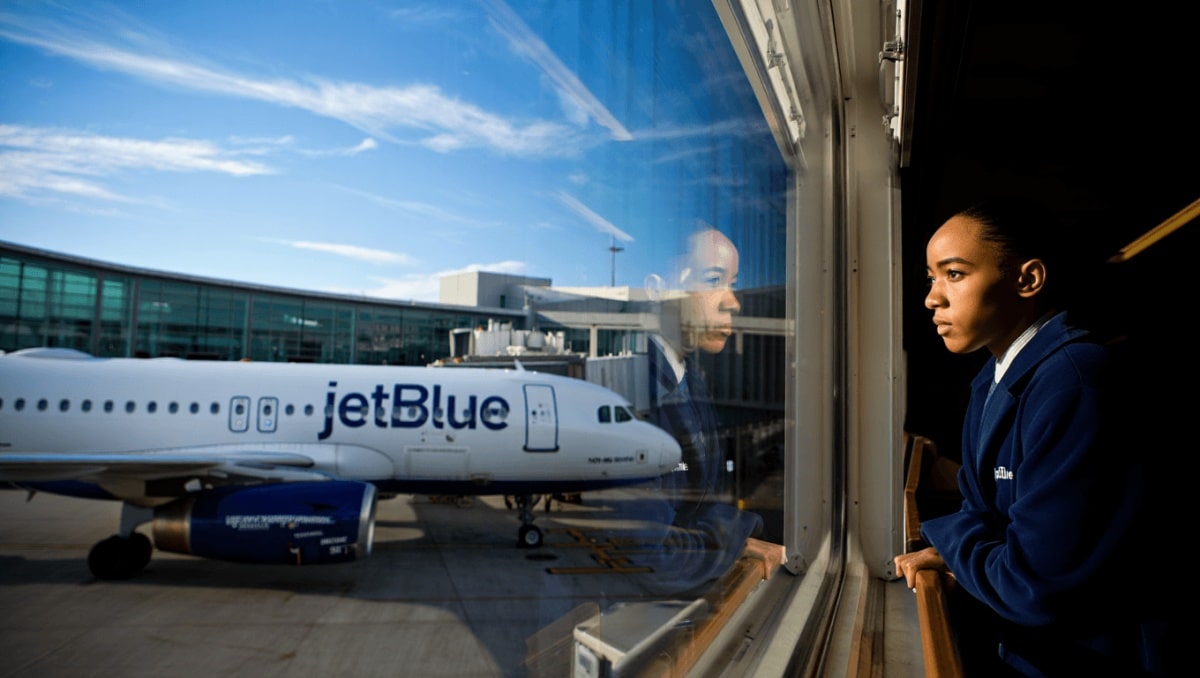
JetBlue now operates from one of LaGuardia’s most applauded facilities, a terminal praised for modern design and smooth passenger flow. Yet reports and industry whispers suggest the airline is weighing whether that polished space still fits its long-term plans. The reasons go beyond aesthetics: rising costs, limited growth options, and strategic shifts may make even the nicest terminal feel like a bad fit.
What makes LaGuardia’s Terminal B stand out
LaGuardia’s renovated Terminal B earned attention for a cleaner layout and improved amenities. Travelers praise easier connections and brighter concourses. For airlines, updated infrastructure can mean faster turnarounds and a better brand presentation.
Sophia Laforteza of Katseye announces hiatus: comes months after Manon Bannerman’s exit
Delta to return to Tokyo Narita hub in 2027: 7-year comeback
- Modern gates and lounges: updated boarding areas and upgraded customer spaces.
- Improved passenger flow: reduced bottlenecks compared with older terminals.
- Retail and food options: more revenue opportunities inside the terminal.
Costs and contract terms that can sour a lease
Even when a terminal looks appealing, the numbers behind the scenes matter most. Airlines face complex lease agreements, airport fees, and revenue-sharing arrangements. Those costs can change an attractive terminal into a financial burden.
- High lease rates tied to passenger volume can penalize slower routes.
- Maintenance and common-area charges may rise over time.
- Revenue splits on concessions can reduce airline ancillary income.
When costs grow faster than revenue, an airline reevaluates whether a premium terminal supports its margins.
Operational limits and the scramble for gates
LaGuardia’s footprint constrains expansion. Short runways, limited overnight gate space, and tight scheduling windows make growth difficult. For an airline planning to add flights, those physical constraints can be decisive.
- Gate scarcity limits the number of daily departures.
- Slot restrictions and curfews reduce flexibility at peak times.
- Ground handling and taxiway congestion can harm on-time performance.
Airlines that need rapid network changes may prefer airports with more slack in operations.
How mergers and strategy shifts change terminal math
Industry moves reshape where carriers want to be. A major merger or a pivot in route strategy can leave an airline with too much presence in one place. Integration plans and fleet decisions also shift which terminals make sense.
- Mergers can create overlapping routes that demand consolidation.
- Fleet changes may require different gate and ground support setups.
- Alliance and codeshare shifts alter where passengers should connect.
When network priorities change, terminals once seen as strategic can become redundant.
Brand image versus bottom-line reality
A premium terminal aligns with an airline’s customer promise. But glossy spaces don’t guarantee profitability. Airlines balance brand experience with yield and unit costs. At times, a less flashy base with lower fees wins out.
- Upscale terminals boost passenger satisfaction metrics.
- But higher operating costs can erode long-term profits.
- Marketing value must match measurable financial returns.
Possible effects on travelers and airport partners
Any decision by a major carrier to leave would ripple through schedules and competition. Passengers might see fewer nonstop routes. Competing airlines could expand into liberated gates. Airports could face short-term revenue gaps.
- Route reductions or altered schedules for frequent flyers.
- Gate reassignments that disrupt ground operations.
- Potential fare changes as market dynamics shift.
Local businesses inside the terminal may also feel the impact if passenger traffic shifts.
Key signs to watch in coming months
There are clear indicators that signal whether an airline plans to stay. Watch for lease renegotiation news, official filings, and adjustments to route maps. Regulatory moves or public statements by airport authorities can also provide clues.
- Announcements about lease extensions or terminations.
- Changes in gate assignments or scheduling patterns.
- Public comments from the airline about capacity and strategy.
Why the nicest terminal might not be enough
Comfort and aesthetics matter to travelers. But airlines live by margins and network logic. Even a top-rated terminal can lose appeal when costs rise, capacity stalls, or strategic priorities shift. In aviation, the best-looking building is only part of a much larger equation.