Show summary Hide summary
- Scope of the $800 million modernization
- Why expansion is complex near downtown Washington
- Funding and financial approach
- Phased timeline and construction milestones
- Economic and travel benefits for the region
- Community concerns and environmental review
- Stakeholder engagement and public input
- What comes next for the redevelopment plan
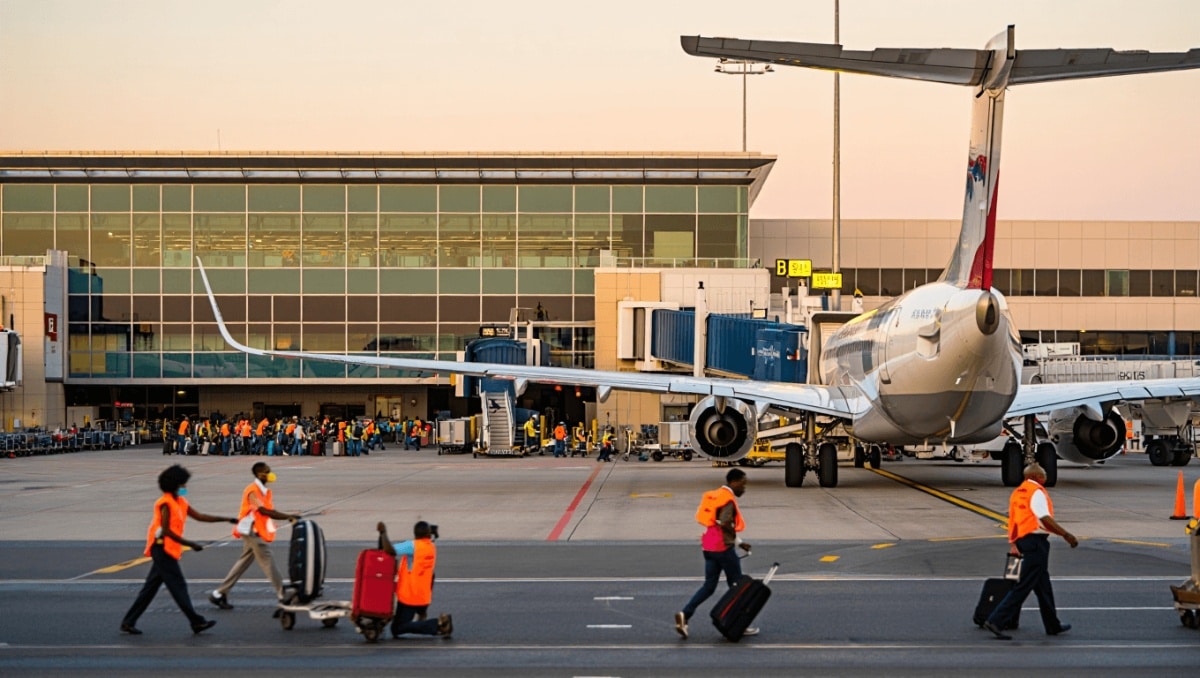
Reagan National Airport in Washington, D.C., is moving forward with a proposed $800 million expansion designed to modernize facilities and handle growing passenger demand. Airport leaders say the plan targets passenger flow, security, and ground access improvements while navigating strict federal and local constraints that shape any change at this downtown airport.
Scope of the $800 million modernization
The proposal outlines upgrades across terminals, gates and passenger services. Officials emphasize a mix of immediate fixes and longer-term construction to reduce bottlenecks and improve comfort.
Blue Bloods star Jennifer Esposito opens up about depression diagnosis: sent to psych ward
Hannah Dasher says famous married celebrity slid into her DMs
- Terminal enhancements: new seating, improved signage, and modernized restrooms and concessions.
- Gate and concourse work: reconfiguration to add boarding efficiency and better aircraft servicing.
- Security and screening upgrades: expanded checkpoint capacity and updated technology to speed processing.
- Ground access improvements: changes to curbside flow, parking facilities and connections to public transit.
Why expansion is complex near downtown Washington
Reagan National sits uniquely close to the capital. That proximity brings strict operational limits and layers of oversight. Any construction plan must account for airspace rules, noise limits and local traffic impacts.
Regulatory and operational constraints
- Federal Aviation Administration reviews and environmental studies.
- Limits on flight slots and runway use tied to national security and noise ordinances.
- Coordination with regional transit agencies and local governments for ground access.
Funding and financial approach
The roughly $800 million price tag would be covered through a blend of sources. Airport authorities typically use a mix of bonds, passenger facility charges and federal grants.
- Airport revenue bonds: common tool to finance large capital projects.
- Passenger facility charges: modest fees added to tickets can fund improvements.
- Federal or state grants: competitive dollars for infrastructure and security work.
- Private partnerships: concession and development deals that offset construction costs.
Phased timeline and construction milestones
Leaders expect the work to unfold in stages to limit disruption. Phasing also helps secure funding and obtain required approvals before major construction begins.
- Initial design, engineering and environmental review.
- Permitting and stakeholder engagement.
- Early construction on nonoperational areas to minimize passenger impact.
- Main terminal and gate renovation in later phases.
Economic and travel benefits for the region
Proponents say upgrades will ease travel for business and leisure customers. Improved facilities can also increase retail and dining revenue inside the airport.
- Smoother passenger flow: shorter wait times and fewer missed connections.
- Enhanced customer experience: more modern amenities and services.
- Local economic boost: construction spending and better connectivity for businesses.
Community concerns and environmental review
Nearby residents and advocacy groups often raise questions about noise, traffic and air quality whenever airport work is proposed. The plan will likely trigger a public review process to study environmental effects.
- Noise mitigation measures and operational limits may be required.
- Traffic studies to assess increased curbside and parking demand.
- Air quality and wildlife impact assessments as part of environmental reviews.
Stakeholder engagement and public input
Airport authorities plan to hold meetings and publish draft studies before final approvals. Community feedback can shape project timing and specific mitigation steps.
- Open comment periods during environmental review.
- Public hearings with local officials and neighborhood representatives.
- Technical briefings for aviation and transportation partners.
What comes next for the redevelopment plan
Officials must complete design work, secure funding and pass regulatory reviews before major work starts. Each step will determine the project’s pace and final features.
Early milestones to watch: release of an environmental review document, approval of financing plans, and a formal construction schedule from the airport authority.