Show summary Hide summary
- High-profile suits name Lululemon, Nike and others in deceptive pricing claims
- How California law frames the dispute over strikethrough prices
- Legal trend: more fake-discount suits, but not a new tactic
- Why the lawsuits may be accelerating now
- How price-tracking tools and third parties change the dynamic
- Why some retailers may keep using aggressive discounting tactics
- Practical tips for shoppers and watchdogs to spot phantom discounts
A fresh wave of lawsuits is forcing retail pricing into the spotlight as shoppers and regulators accuse major brands of advertising bogus discounts. Plaintiffs say companies are listing inflated “regular” prices, then showing strikethrough sale prices to create the illusion of a bargain. The challenge now is proving when a price is genuine, and whether current rules can stop what critics call “phantom discounting.”
High-profile suits name Lululemon, Nike and others in deceptive pricing claims
Recent filings single out household names. In Los Angeles, a California consumer alleges Lululemon advertised tights with a crossed-out original price that never reflected recent sales history. The plaintiff, Annette Cody, says the brand listed a pair of Wunder Train tights as reduced from $98 to $59, even though Cody contends that price point was not charged on the website months prior.
Blue Bloods star Jennifer Esposito opens up about depression diagnosis: sent to psych ward
Hannah Dasher says famous married celebrity slid into her DMs
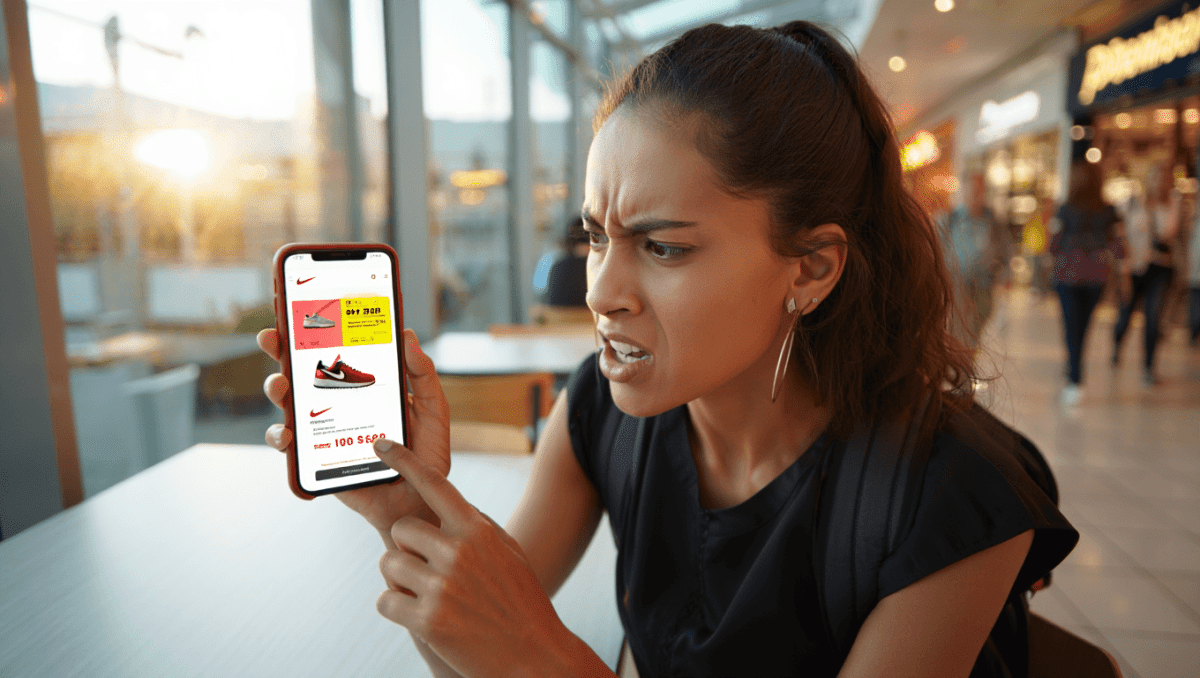
Shortly before that, Nike faced a similar complaint. The lawsuit claims Nike repeatedly showed an original reference price of $190 for a pair of Air Max 2017 sneakers, while the shoes were allegedly on markdown for an extended period. That case seeks to represent California buyers who purchased discounted items online since mid-2022.
A spokesperson for Nike declined to comment on pending litigation. Lululemon did not respond to requests for comment.
How California law frames the dispute over strikethrough prices
At the center of many complaints is California’s False Advertising Law. It requires that any “former” price shown must reflect the product’s true market price within the prior 90 days, unless the ad states when that higher price applied.
- 90-day rule: The referenced former price must be accurate during the last 90 days.
- Disclosure requirement: If the reference price is historic, the ad must make that clear.
- Enforcement route: Consumers may pursue class actions seeking damages and injunctive relief.
Plaintiffs argue brands that repeatedly publish strikethrough prices that lack recent market support run afoul of these requirements.
Legal trend: more fake-discount suits, but not a new tactic
Attorneys who track advertising litigation say these cases are not new. Rob Freund, an ad and e-commerce lawyer, noted fake-discount suits have circulated for years. He also pointed to an uptick in filings in the last year.
According to Freund, filings in 2025 roughly doubled those in 2024. He says brands of all sizes have been targeted, including niche names like Vego Garden. The pattern suggests an expanding focus on pricing claims in courtrooms and in public scrutiny.
Class action mechanics and potential reach
Many of these matters are filed as class actions. That means plaintiffs aim to represent broad sets of consumers, not just the individual who filed the suit. These lawsuits often seek:
- Monetary awards for buyers who paid an alleged phantom discount.
- Injunctive relief to change advertising practices.
- Statutory damages where consumer protection statutes allow them.
Why the lawsuits may be accelerating now
Experts point to a mix of forces behind the recent wave. Some say economic pressure on shoppers makes them more suspicious of advertised deals. Others highlight better tools that expose price changes.
Anita Rao, a marketing professor at Georgetown’s McDonough School of Business, says consumers are more price-sensitive today. When prices rise broadly, people scrutinize discounts more closely. Rao also notes the research showing the mere perception of a deal can boost engagement and conversions.
How price-tracking tools and third parties change the dynamic
Today’s shoppers and watchdogs have more ways to review price history. Platforms such as Amazon include embedded price histories. Independent trackers and browser extensions can chart a product’s price over time.
- These tools can highlight long-term discounts.
- They don’t always stop deceptive ads without outside enforcement.
- Third-party monitoring by lawyers and regulators tends to have the most impact.
Rao notes that while information exists, it is not free or always easy for individual consumers to use. She suggests regulators and consumer advocates are often the ones who spot problematic pricing patterns at scale.
Why some retailers may keep using aggressive discounting tactics
Retailers weigh the benefits of perceived deals against legal and reputational risk. If a lower “from” or fake original price lifts conversions, some companies may accept occasional litigation as a cost of doing business.
Rao’s research indicates displaying a lower starting price can increase engagement. That makes the marketing calculus clear: small gains in conversion may tempt firms to push the envelope.
Still, ongoing lawsuits and public scrutiny could alter that balance over time. Regulators, class action lawyers, and consumer watchdogs all play roles in testing whether current practices will endure.
Practical tips for shoppers and watchdogs to spot phantom discounts
- Check price history through browser extensions or retailer tools.
- Look for disclosures that show when the original price applied.
- Compare prices across multiple sellers to assess a true market price.
- Keep receipts and screenshots if you plan to challenge an advertised discount.