Show summary Hide summary
- Why Favignana is suddenly a must-see Mediterranean stop
- What was filmed there: the castle, the cliffs and the sea
- Beaches and coves: the island’s most photogenic bays
- How to explore Favignana: bikes beat cars
- Where to eat and what to try: tuna, pasta and local flavors
- Budgeting your trip: prices, accommodations and value
- Practical travel advice and entry requirements for U.S. visitors
- Best times to visit and what to pack
- How Favignana compares to other Mediterranean islands
A wave of movie-star curiosity has pushed a quiet Sicilian isle into the spotlight this summer. Film crews and tourists alike are flocking to a small Mediterranean gem after parts of Christopher Nolan’s new epic were shot there. What looks cinematic on screen is real, reachable, and ready to surprise travelers who arrive with a sense of adventure.
Why Favignana is suddenly a must-see Mediterranean stop
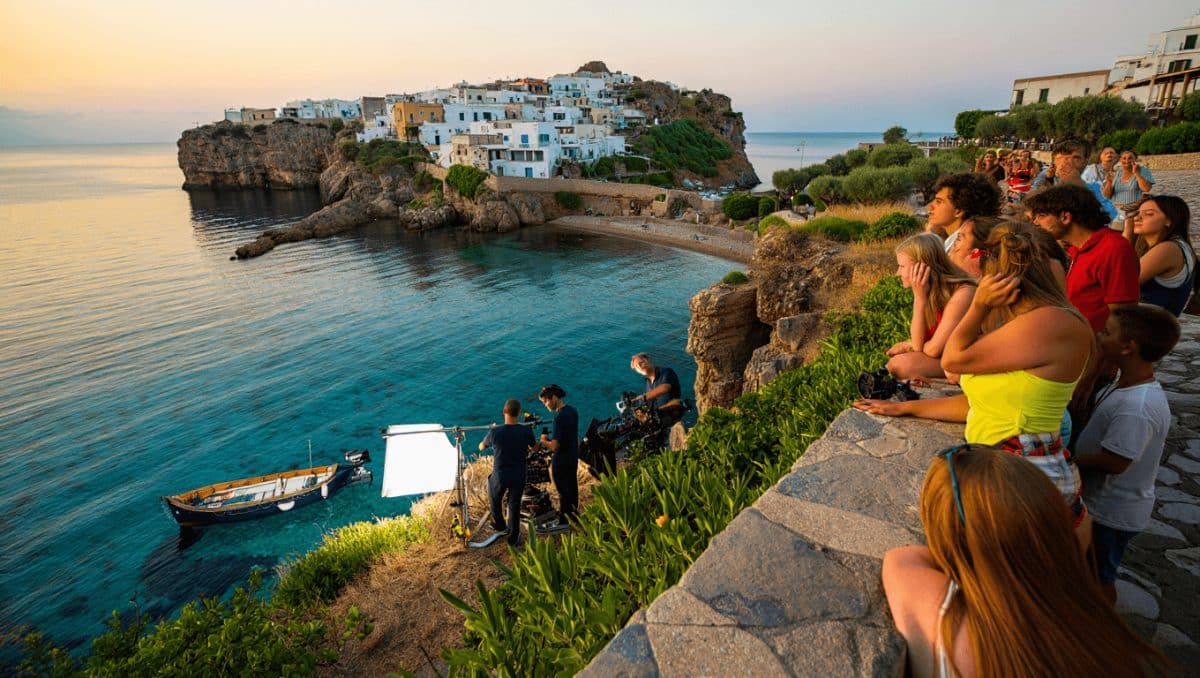
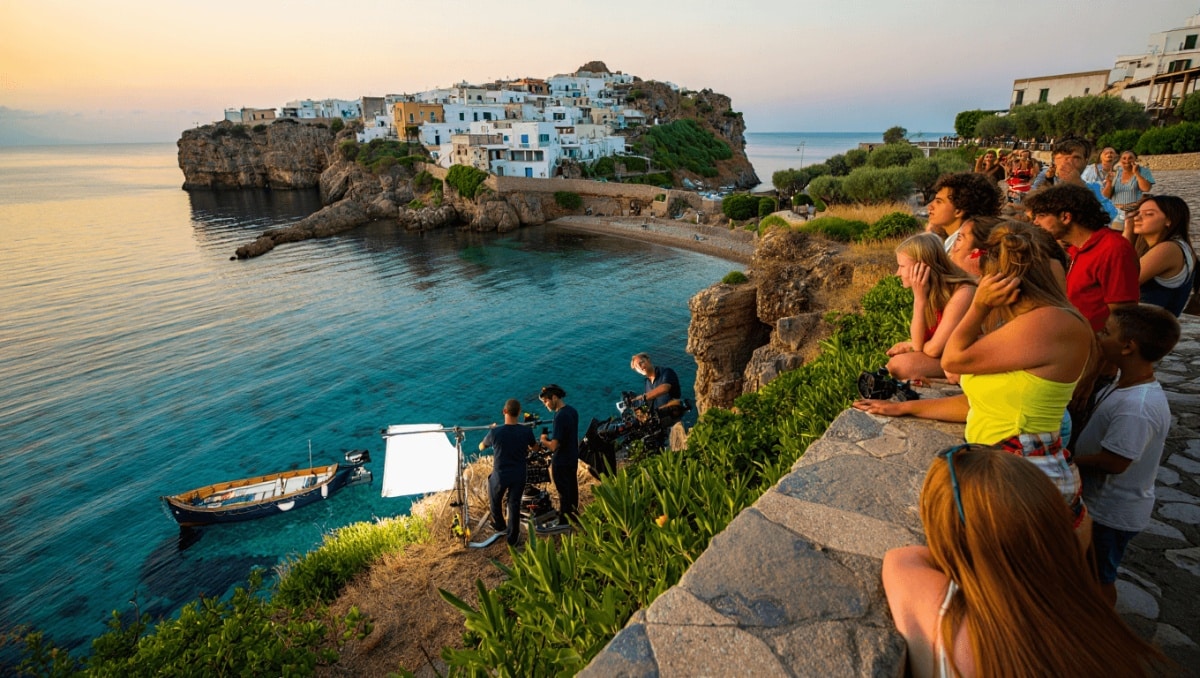
Favignana sits off western Sicily and feels like a place frozen in time. Its compact size hides dramatic cliffs, hidden coves, and harbors that look made for postcards. With Nolan choosing it as a filming location for The Odyssey, the island’s profile has skyrocketed.
Christopher Nolan’s Italian island where he filmed The Odyssey becomes Europe’s next tourism hotspot
Amex Resy credit just got tastier: Tock officially joins Resy
Locals and visitors call it the “butterfly-shaped” island because of its outline. That nickname reflects its small scale and diverse coastline. In short, Favignana packs a lot of scenery into a short distance.
What was filmed there: the castle, the cliffs and the sea
Movie scenes showcased a fortified hilltop structure and near-impossible turquoise waters. Those backdrops aren’t studio creations. They exist here, carved by nature and centuries of human activity.
Key on-screen locations you can visit
- Hilltop fortifications — Views across the harbor and the town make the fort an obvious cinematic anchor.
- Cala Rossa — A dramatic inlet with clear, electric-blue water and white rock ledges.
- Scattered limestone coves and sea caves that give the coastline its cinematic texture.
Beaches and coves: the island’s most photogenic bays
Favignana’s coastline is a patchwork of secluded calas and steep white cliffs that plunge into transparent water. These spots are the reason photographers and filmmakers arrive with gear in tow.
- Cala Rossa — Often the busiest and most photographed. Its color and dramatic rock formations stand out.
- Cala Azzurra — A sheltered bay with shallow, crystal-clear water ideal for relaxed swimming.
- Bue Marino — Once a Roman-era quarry, now a stark white amphitheater of stone meeting sapphire sea.
- Lido Burrone — The island’s main sandy beach, lined with cafés and easy access to amenities.
How to explore Favignana: bikes beat cars
Roads on the island are narrow and winding. That makes cycling the most efficient and enjoyable way to get around. The terrain is largely flat, so it’s accessible to most riders.
- From the harbor, most highlights are within 10–20 minutes by bike.
- Bike rental is common. Expect daily rates between $15 and $30.
- Electric-assist options are available for those who prefer a gentler ride.
Walking is also pleasant in town, but a bicycle lets you visit several beaches in one afternoon.
Where to eat and what to try: tuna, pasta and local flavors
Favignana has a long fishing tradition, and tuna is central to its cuisine. Family-run trattorie serve simple plates with fresh ingredients.
- Tuna busiate — A local pasta specialty often featured on island menus.
- Grilled fresh catch — Seasonal fish prepared with lemon and herbs.
- Local wines poured by the glass at modest prices.
One beloved spot has become a local institution for tuna dishes. Small cafés and seaside bars create a friendly, low-key dining scene.
Budgeting your trip: prices, accommodations and value
Favignana sits between low-cost Sicilian living and pricier island exclusivity. Because goods arrive by ferry, some prices are higher than on the mainland.
- Typical wine by the glass at a mid-range eatery: around $6.
- Aperol Spritz on the beach: roughly $12.
- Fresh tuna mains at traditional restaurants: $18–$25.
- Bed & breakfasts in summer: commonly $140–$220 per night.
Overall, the island offers good value compared to ultra-luxury Mediterranean hotspots, while retaining a more authentic island atmosphere.
Practical travel advice and entry requirements for U.S. visitors
Before you book, check entry rules for Italy. Policies change, and some European destinations now require additional steps.
- U.S. passport holders should verify any fingerprinting or entry permit updates.
- Ferries from Trapani provide the main access to the Aegadian islands.
- Reserve summer accommodations early; the Nolan effect may increase demand.
Best times to visit and what to pack
Late spring through early autumn is prime season. Summers are warm and busy. Shoulder months offer milder weather and fewer crowds.
- Pack reef shoes for rocky coves and sea caves.
- Sunscreen and a hat are essential; shade can be scarce at smaller calas.
- A reusable water bottle will save money and plastic waste.
How Favignana compares to other Mediterranean islands
Favignana is smaller and quieter than Sardinia’s luxury enclaves and less built-up than many Greek islands. It feels intimate and authentic.
Think of it as a cinematic island with real, everyday island life—restaurants run by families, a harbor where fishermen work, and slow afternoons in a sunlit piazza.