Show summary Hide summary
- What the plaintiff says she submitted and when
- Alleged similarities between Sovereign Nation and Yellowstone
- Legal relief sought: injunction and damages
- Defendants named and immediate responses
- Timeline of the Yellowstone franchise and why it matters
- Evidence Salkin highlights in court papers
- Sheridan’s public statements about Yellowstone’s origins
- What comes next in the legal process
- Industry implications if claims proceed
Taylor Sheridan is the target of a new copyright lawsuit after a writer says he took the core idea behind the hit drama Yellowstone. The complaint, filed this week, names Sheridan, Paramount and NBCUniversal and promises to bring fresh scrutiny to the origins of one of TV’s most lucrative franchises.
What the plaintiff says she submitted and when
Duncan Sheik cause of death revealed: what killed the barely breathing singer
American Airlines, Starlux expand codeshare deal: more routes and smoother connections
Writer and entertainment reporter Lauren J. Salkin claims she sent a pilot package titled “Sovereign Nation” to Sheridan’s production company between 2016 and 2017. Her court filing alleges the materials included a full pilot script and character breakdowns.
- Salkin says she received an acknowledgement from Elevate Entertainment.
- That response, she alleges, thanked her for her interest and said Sheridan was unavailable for TV projects.
- Months later, Yellowstone was developed and debuted in 2018.
Alleged similarities between Sovereign Nation and Yellowstone
The lawsuit argues the overlap goes beyond a shared Western setting. Salkin points to the show’s tone, characters and specific plot threads as falling too close to her work.
- Character types and relationships reportedly mirror those in Salkin’s breakdowns.
- Overall mood and dramatic beats are described as substantially similar.
- The filing claims some storylines follow arcs Salkin outlined in her materials.
She is asking the court to halt any ongoing or future use of material she says originated in her submission.
Legal relief sought: injunction and damages
Salkin’s suit requests an injunction to stop alleged continued infringement. She also seeks monetary relief.
- Injunction to prevent further use of the disputed elements.
- Damages that would include profits tied to the Yellowstone franchise.
- The filing does not specify a dollar figure.
Defendants named and immediate responses
The complaint lists Taylor Sheridan, Paramount and NBCUniversal. Representatives for those parties were not reported to have responded to requests for comment at the time the story circulated.
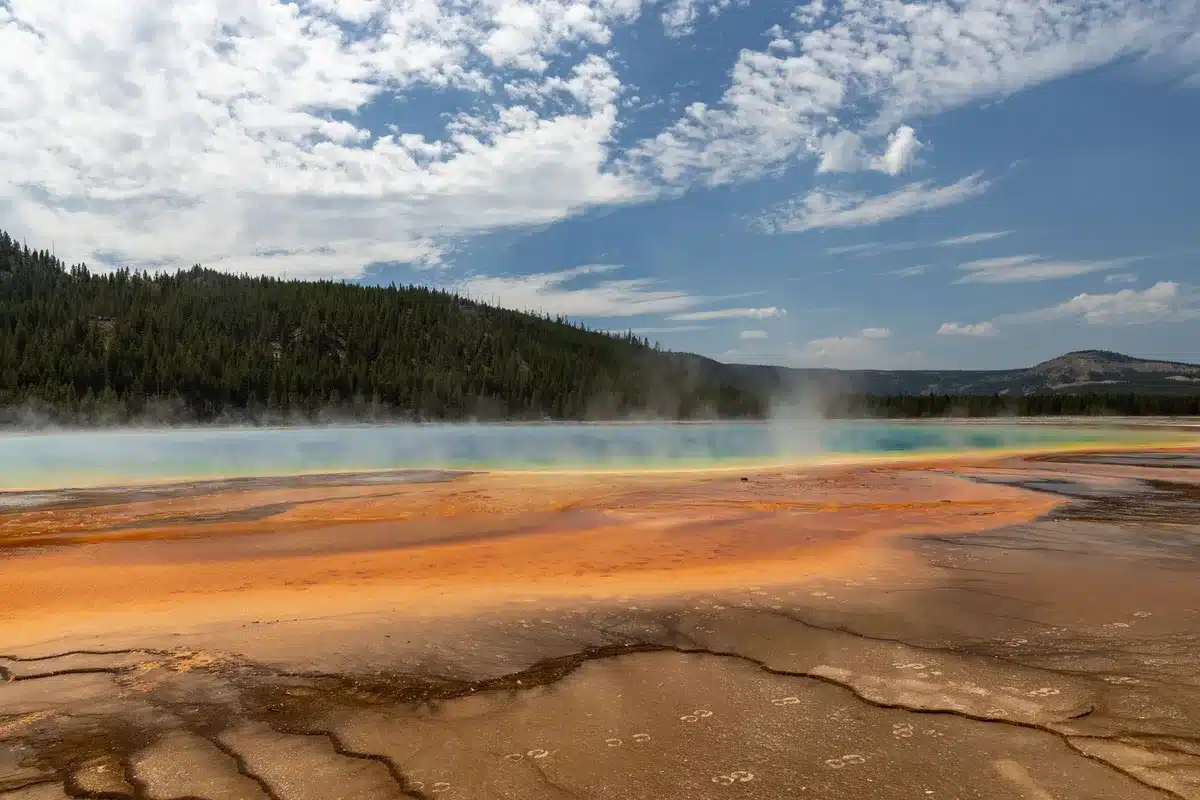
Yellowstone aired from 2018 through 2024 and built a media empire with spinoffs such as 1883, 1923, Marshals and Dutton Ranch.
Timeline of the Yellowstone franchise and why it matters
The show launched in 2018 and ran five seasons on Paramount+, boosting its creators and cast to major industry profiles. Producers expanded the world with multiple prequels and related series.
- 2016–2017: Salkin says she submitted her pilot package.
- 2018: Yellowstone debuts and quickly becomes a flagship series.
- 2018–2024: The franchise grows to include several spinoffs.
Evidence Salkin highlights in court papers
Her filing emphasizes the submission acknowledgement and the timing of Yellowstone’s green light. It also references the detailed character descriptions she provided.
The lawsuit includes a point-by-point comparison of characters and plot elements, according to reporting on the filing.
Sheridan’s public statements about Yellowstone’s origins
Sheridan has previously discussed his creative influences. In interviews he has said a college encounter with the book and miniseries Lonesome Dove inspired his desire to create sweeping Western drama.
Sheridan on tone and reception
He has described Yellowstone as his raw, rebellious work—intentionally defiant in tone.
In past interviews, Sheridan acknowledged critics often respond harshly to the series and said that was part of the intent. He has also expressed blunt views about studio executives and reviewers.
What comes next in the legal process
The case will move through standard federal procedures. Key early steps include responses from the named defendants and potential motions to dismiss or narrow claims.
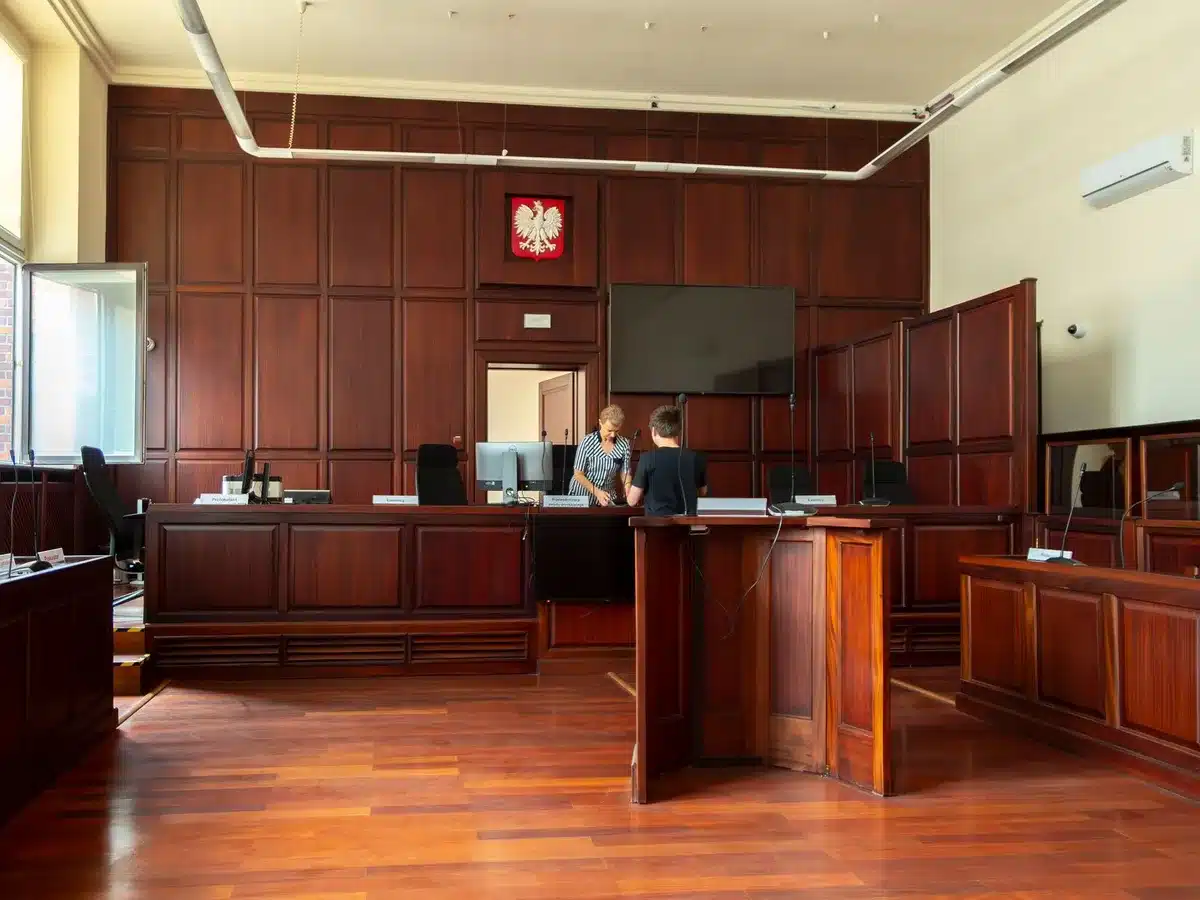
If courts find the matter plausible, discovery could force production of internal documents and deposition testimony. That phase can reveal whether and how submitted materials were shared inside Sheridan’s companies.
Industry implications if claims proceed
A ruling in Salkin’s favor could reshape how studios handle unsolicited submissions and credit disputes. It could also affect revenue streams tied to a major franchise.
Producers often defend against such suits by pointing to independent creation or preexisting influences. This case will test those defenses against Salkin’s timeline and specific allegations.