Show summary Hide summary
- Walgreens taps Looma to place screens in 1,200 locations
- Placement and content: subtle, product-adjacent advertising
- How performance will be measured: moving beyond play counts
- Lessons from the Cooler Screens dispute
- Why the pharmacy waiting area is a prime ad location
- What brands gain from the rollout
- Where this fits in the broader retail media landscape
- Leadership and strategy shifts inside Walgreens
- Operational details and rollout timing
- Industry voices on what works in-store
Walgreens is rolling out a fresh wave of in-store digital screens this fall, aiming to turn pharmacy aisles and entryways into spots for educational advertising. The move, announced with in-store media company Looma, puts attention on targeted, context-aware messaging rather than loud interruptions.
Walgreens taps Looma to place screens in 1,200 locations
Beginning in October, Walgreens will install digital displays in about 1,200 stores through a partnership with Looma. The decision follows a selection process that prioritized screens placed directly next to the products they reference.
Sylvester Stallone confesses bulimia and steroid use while filming his most iconic role
Johnny Knoxville blames fun police for killing studio comedies

Looma brings an existing network to the table: more than 7,000 screens across multiple retail banners and access to roughly 13 million unique shoppers each month. For brands, that means campaigns that already run on Looma’s network can now extend into Walgreens footprints.
Placement and content: subtle, product-adjacent advertising
The new screens are designed to complement, not obscure, merchandising. They will be positioned to help shoppers discover products and learn about them.
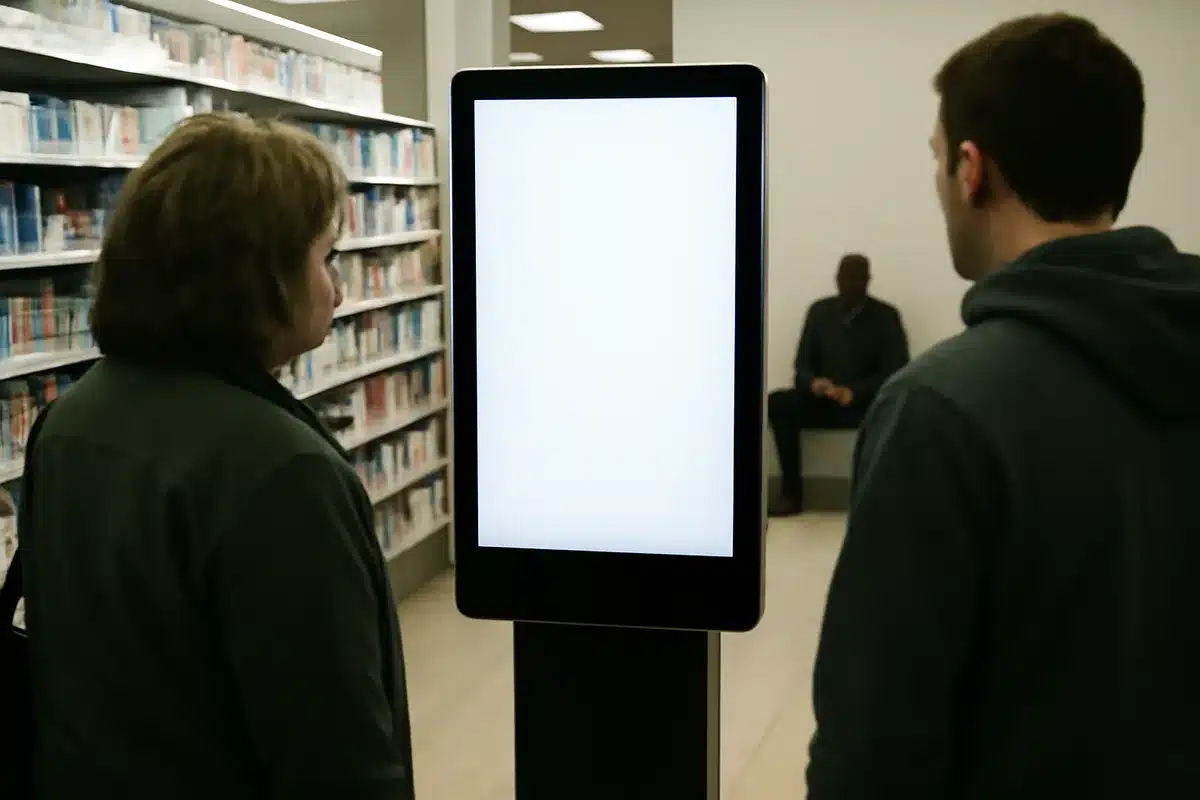
- Two large-format screens per participating store: one near the front and one in the pharmacy waiting area.
- Digital end caps that can promote a single brand or present multi-brand educational content.
- Programming featuring experts and creators across beauty, personal care, grocery, pharmacy, and wellness.
Walgreens says the creative will be informational in tone, intended to aid purchase decisions rather than distract shoppers.
How performance will be measured: moving beyond play counts
Walgreens emphasized measurement that tracks consumer behavior across the shopping journey. Instead of counting just how many times an ad played, the retailer will look at broader metrics that assess awareness, consideration, and conversion.
Full-funnel measurement is central to the pitch, aligning in-store exposure with online and point-of-sale outcomes.
Lessons from the Cooler Screens dispute
The move to Looma follows a high-profile clash with Cooler Screens, the startup that previously provided fridge-door displays for Walgreens. That earlier effort drew complaints after screens experienced technical failures and content errors.
Walgreens and Cooler Screens later entered a legal dispute when the partnership unraveled. In contrast to those fridge-door panels, the new screens will sit beside products rather than replace the customer’s view of real shelves.
Why the pharmacy waiting area is a prime ad location
Retailers and researchers point to the pharmacy zone as a high-value site for in-store advertising. Customers often spend extra minutes waiting, which creates an opportunity for longer exposure.

A March 2026 survey of more than 1,000 shoppers found consumers are relatively receptive to ads shown in pharmacy and other high-dwell spots. Analysts say high-quality, informative creative performs best in these contexts.
Longer dwell-time equals higher attention, which can translate into stronger recall and influence at point of sale.
What brands gain from the rollout
Brands that buy placement through Looma or Walgreens can expect several advantages:
- Expanded reach into Walgreens’ customer base without building new screen infrastructure.
- Contextual adjacency—ads appear next to the relevant product or category.
- Ability to run educational or expert-led content that supports purchase decisions.
- Integration with full-funnel metrics to link in-store exposure with downstream results.
Creative opportunities and examples
Content will likely include product demos, short expert segments, and seasonally relevant advice. That format seeks to inform shoppers rather than simply push discounts.
Where this fits in the broader retail media landscape
Walgreens’ update arrives amid a wider industry push to expand in-store digital ad programs. Competitors such as CVS have already installed digital end caps and dozens of waiting-area screens across their estate.
CVS has reported plans for thousands of screens nationwide, including checkout and pharmacy displays. Executives at both chains describe digital placements as a strategic extension of their retail media businesses.
Retailers refining the execution
After years of trial and error, retailers are converging on design principles that favor relevance and non-disruptive presentation. Analysts warn that poorly executed, noisy creative can harm the shopper experience.
Properly produced ads—useful, concise, and context-aware—tend to be accepted by shoppers, industry experts say.
Leadership and strategy shifts inside Walgreens
John Storms, Walgreens’ vice president of digital and retail media, is overseeing the initiative. He joined the company after helping build Lowe’s Media Network and after two decades at Target.
Since his arrival, Walgreens has reconsidered its advertising playbook, focusing on higher-performing placements both online and inside stores. Storms credits Looma for an approach that keeps merchandising and shoppers top of mind.
Operational details and rollout timing
The program launches in October and will roll into the selected 1,200 stores in phases. Each store will receive the store-front and pharmacy displays plus the digital end caps where applicable.
- Oct — initial installations begin in selected regions.
- Following months — measured rollout across the 1,200-store cohort.
- Brands will be able to schedule campaigns and access reporting that links play to shopper behavior.
Industry voices on what works in-store
Market observers stress the balance between monetization and customer experience. Ads that educate, remind, or suggest useful products tend to perform better than loud, interruptive messages.
High-quality, relevant content wins in spaces where shoppers have time to process information, such as pharmacy lines and checkout areas.