Show summary Hide summary
- Why food brands are designing bag charms and why it matters for branding
- Case studies: Pocket Parm, Cava keychains and restaurant collectibles
- How limited drops and social posts create FOMO and foot traffic
- Inside the creative partnerships and collectible designs
- Pocket Parm: a pop-up model that tests products and builds hype
- Merch strategies food brands are using to grow cultural relevance
- Broader merch moves in the CPG world
- Marketing takeaways and tactics winning right now
- Curated reading on retail, branding and merch trends
- Recent topics we’ve covered in brand strategy
Fashion labels once owned the charm trend. Now restaurants and snack makers are turning tiny accessories into buzz machines, using collectible bag charms to spark social chatter and sell a lifestyle, not just a product.
Why food brands are designing bag charms and why it matters for branding
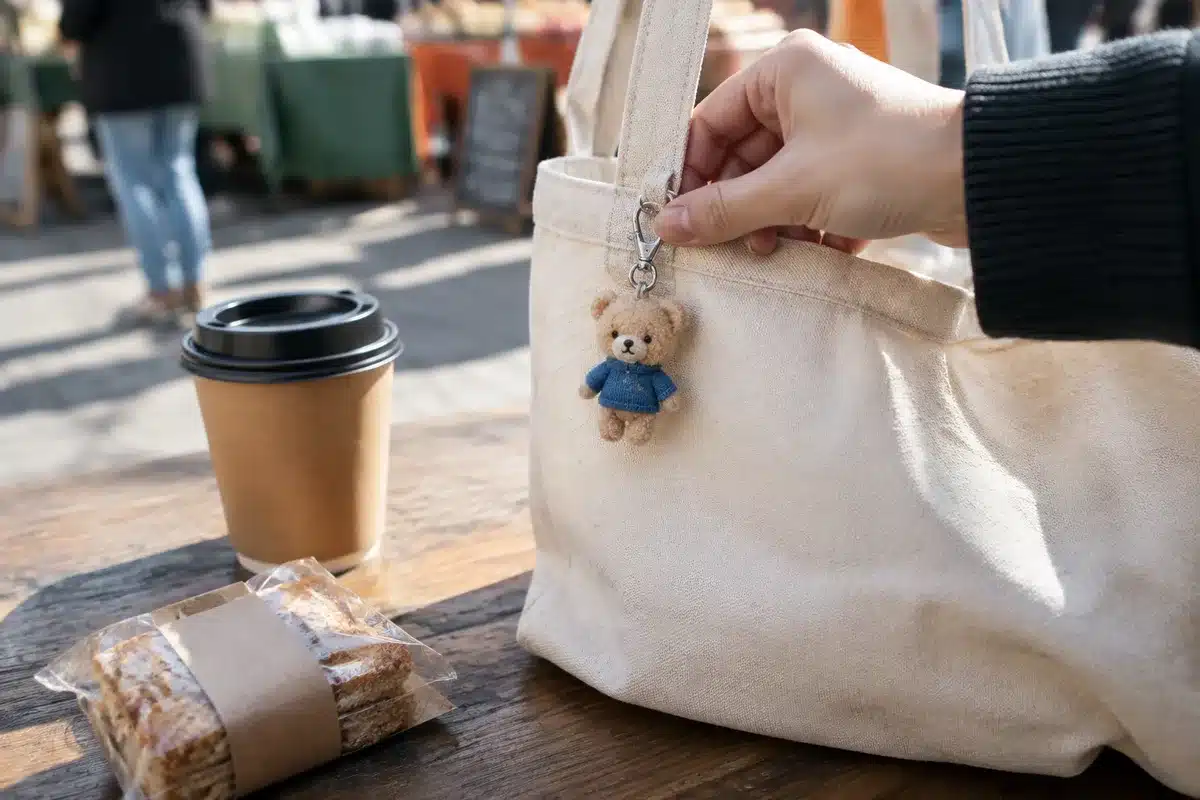
Bag charms have moved from runway racks to cafeterias and food trucks. Brands see them as a low-cost way to join culture conversations and reach younger shoppers.
Russell Brand sentenced for rape: Katy Perry and Justin Trudeau all smiles at gala
Judi Dench backs unlikely choice for next James Bond
- Retail signals point to growing interest: Etsy searches for purse bag charms rose 27% year over year in the most recent quarter.
- Toy and accessory makers report similar momentum: Funko said charms and pins helped drive double-digit growth for its Loungefly bag line.
- For food companies, merch can shift perception from a commodity to a lifestyle choice.
Case studies: Pocket Parm, Cava keychains and restaurant collectibles
Different brands are testing different formats and distribution plans to see what sticks.
- Kraft Natural Cheese launched Pocket Parm, a mini, shelf-stable grated parmesan aimed at on-the-go occasions. The rollout has been limited to pop-ups and a branded truck.
- Cava turned its signature yellow takeout bag into a one-day keychain drop, available only after in-store purchases at participating locations.
- Jack in the Box released Jibbis in blind-bag form, tapping collectible culture to attract repeat buyers.
How limited drops and social posts create FOMO and foot traffic
Scarcity and shareable moments drive demand.
- Cava reported higher store traffic on its drop day. The chain sold out and saw a surge of social posts about the mini bag keychain.
- Cava’s branded post drew strong engagement online, and fans joked about making the charm part of their identity.
- Kraft’s Pocket Parm was promoted via a roving truck, influencer content, and social announcements of locations.
Inside the creative partnerships and collectible designs
Brands often work with outside creators to build desirable pieces that feel authentic.
- Cava collaborated with creator Thaddeus W. Coates to produce four pita-chip-themed plushie charms: Peter Chip, Jimmy Harissa, Garlic Gus and Sweet Sammy.
- Jack in the Box used blind packaging to tap the collector mindset and encourage repeat purchases.
- Kraft uses flavor variety and limited availability to test new tastes before a wider rollout.
Pocket Parm: a pop-up model that tests products and builds hype
Kraft designed Pocket Parm to be portable and social. The brand chose not to sell the item online yet.
- The Pocket Parm truck has offered samples and free charms in select cities, including Los Angeles and Orlando.
- Flavors available at the truck include the classic Parmesan plus Tomato Basil Parmesan, Garlic Herb Parmesan and Cheddar.
- Early social posts for the product earned traction — one Instagram post pulled in more than 48,000 likes.
- Kraft says it will use the campaign to test flavors and build demand before any nationwide launch planned for 2027.
- The product is shelf-stable until opened, and the company does not recommend refilling the mini bottle.
Merch strategies food brands are using to grow cultural relevance
Food and beverage companies borrow tactics from fashion and toy marketers to amplify reach.
- Limited-edition runs and one-day drops to create urgency.
- Requiring purchase in-store for access, driving foot traffic.
- Seeding items with influencers to generate organic social content.
- Designer collaborations to create collectible appeal and authenticity.
Broader merch moves in the CPG world
Bag charms sit alongside a larger wave of branded gear that expands revenue and loyalty.
- Brands such as Grillo’s Pickles and grocery chains like H‑E‑B have embraced apparel and accessories.
- In 2021, Liquid Death reported about $3 million in merch sales, including novelty items like $14 dog toys and $500 mini‑fridges.
- Organic Valley launched a 13-item store in 2023 to give customers a way to show support for family farms.
- Co-branded drops are common: Gap partnered with Los Tacos No.1 for a summer capsule, and Dunkin’ teamed with influencer Chelsea Parke for apparel and accessories.
Marketing takeaways and tactics winning right now
Brands mixing scarcity, collectibility and social-first launches are seeing results.
- Social amplification turns limited merch into national conversation without mass production.
- Collectible formats — blind bags and character series — drive repeat buys and trading culture.
- Pop-ups and roving trucks create live moments that feed into online FOMO.
- Small tests allow brands to pilot flavors or designs before larger investments.
Curated reading on retail, branding and merch trends
- Korean beauty house Monclos is turning to French sourcing and formulations. (NYT)
- After criticism of an AI-led ad, Svedka invited fans to create a 15‑second Super Bowl spot. (Marketing Dive)
- Trunk shows are upgrading with unexpected venues, perks and live entertainment. (WSJ)
Recent topics we’ve covered in brand strategy
- How beverage and beauty brands showed up at the New York City Marathon.
- Cotopaxi’s use of drop tactics to build hype before BFCM.
- Why Jonathan Adler and Oh My Mahjong are benefiting from a mahjong resurgence.