Show summary Hide summary
- Fewer marketers plan to use owned e-commerce and stores this season
- Why brands are stepping away from owned channels
- Marketers say the shopper journey is fragmented
- How channels rank for holiday sales
- Amazon and digital marketplaces: the numbers
- Picking the right channel depends on purchase frequency
- Social commerce: TikTok Shop emerges as a distinct channel
As brands map out their 2026 holiday plans, many are scaling back plans to promote their own stores and websites. The shift is surprising because retailers still see owned channels grow in importance during the busiest selling weeks of the year.
Fewer marketers plan to use owned e-commerce and stores this season
New survey data from Modern Retail shows a notable pullback in planned use of owned sales channels for the 2026 holidays.
Russell Brand sentenced for rape: Katy Perry and Justin Trudeau all smiles at gala
Judi Dench backs unlikely choice for next James Bond

- 46% of respondents plan to use their own e-commerce sites, down from 69% in 2025.
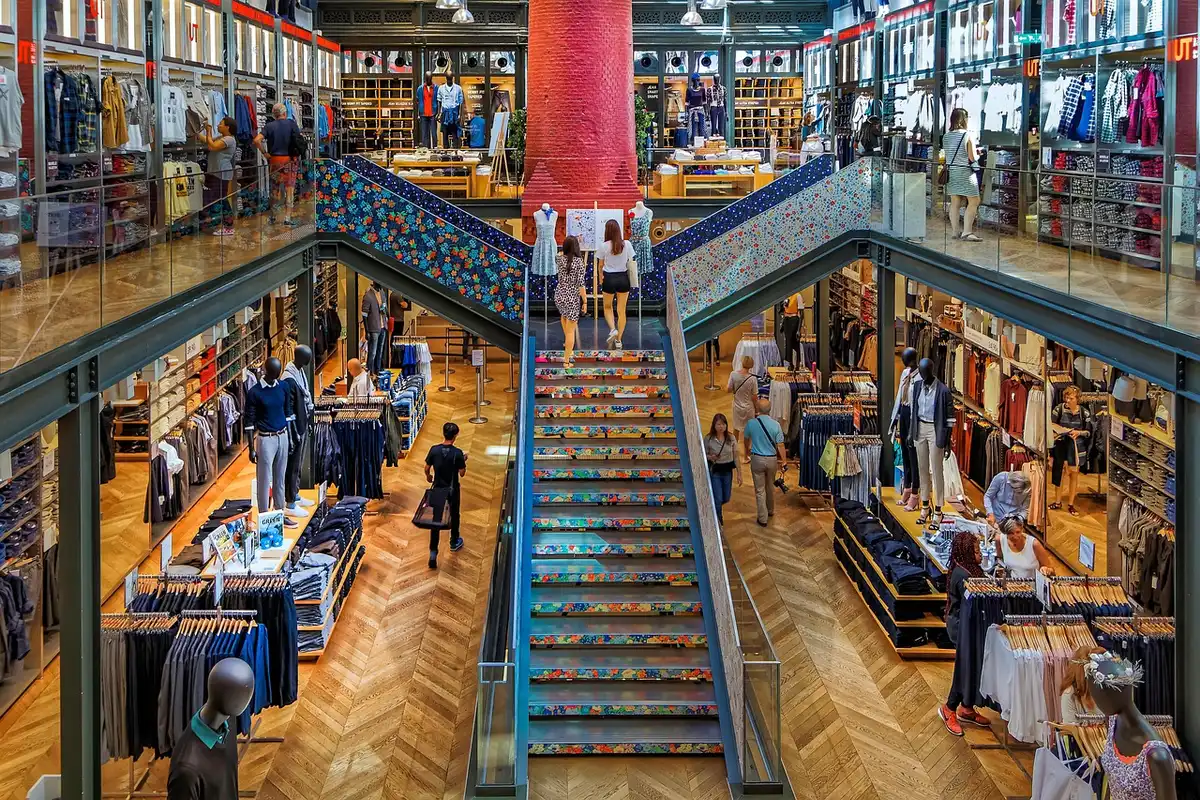
- 60% plan to leverage owned brick-and-mortar stores, compared with 84% a year earlier.
At the same time, respondents still report those channels become more important during holiday selling:
- 67% said owned physical stores gain importance over the holidays.
- 49% said owned e-commerce sites grow more important during the season.
Why brands are stepping away from owned channels
Executives offer several reasons for the apparent contradiction between importance and investment. One view is that many brands assume their own storefronts and sites will perform without extra spend.
Wholesale market pressures reshape priorities
Ari Bloom, founder and CEO of A-Frame Brands, argues the wider retail ecosystem is shifting. He warns that traditional wholesale and multi-brand retail are under pressure.
In Bloom’s view, fewer healthy department stores and declining multi-brand channels mean brands are recalibrating where to focus their budgets.
Marketers say the shopper journey is fragmented
Industry leaders point to changing consumer behavior as another driver of channel strategy.
Connected experiences over single-channel bets
Susan Grossman, Mastercard EVP of consumer acquisition and engagement services, says the path to purchase is no longer linear. Shoppers discover products via creators, compare on retailer sites, see bank offers, then buy elsewhere.
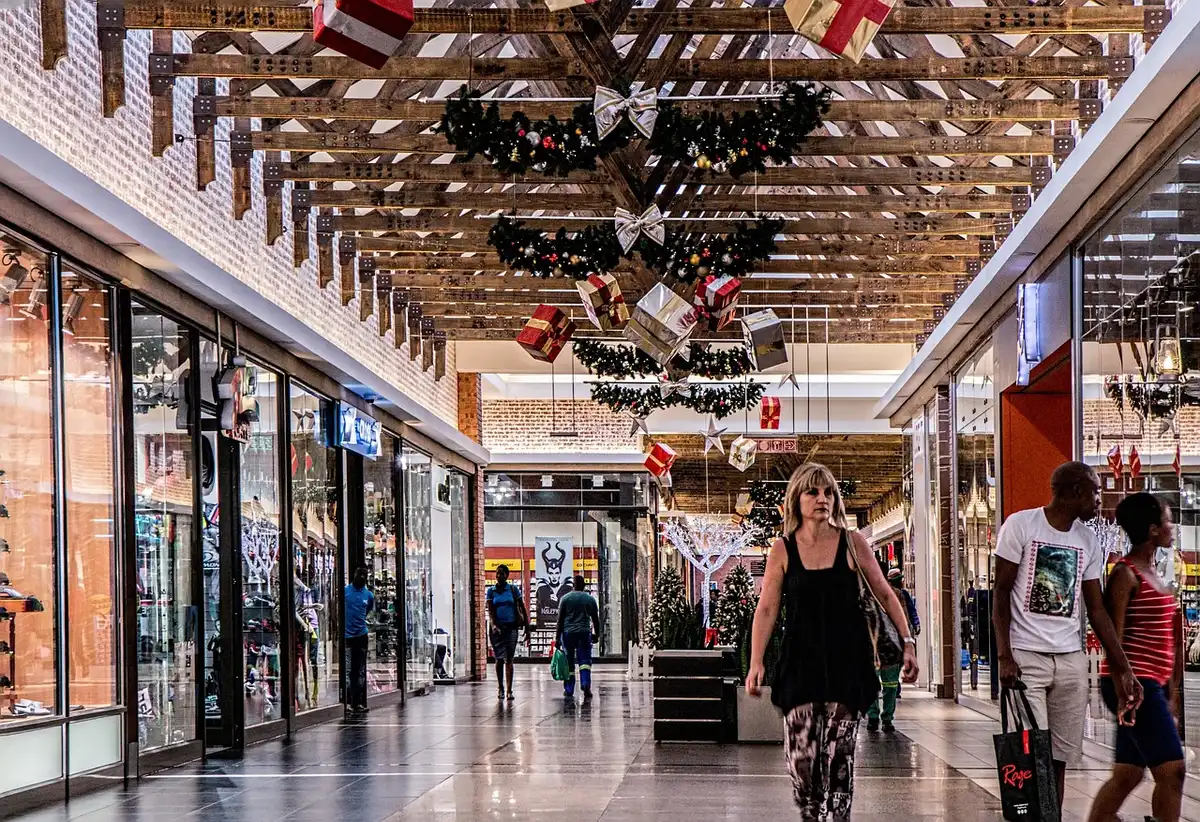
Marketers are responding by investing in cross-channel cohesion instead of placing all bets on one channel.
How channels rank for holiday sales
Despite drops in planned usage, owned physical stores and owned e-commerce still top the list of most used holiday sales channels.
- No. 1: Owned physical retail stores
- No. 2: Owned e-commerce sites
- No. 3 (tie): Third-party brand stores and Amazon
Amazon and digital marketplaces: the numbers
Amazon continues to lead digital marketplace usage and importance for holiday sales.
- 33% of brands plan to sell via Amazon during the 2026 holidays.
- 38% say Amazon becomes more important to their holiday sales.
- 29% plan to sell on other digital marketplaces.
- 26% said other digital marketplaces grow more important at the holidays.
Picking the right channel depends on purchase frequency
Channel choice is not one-size-fits-all. Marketers should weigh product purchase cadence when deciding where to sell.
When marketplaces make sense
Laura Brodie, chief growth officer at Ritual, explains that low-frequency or one-off purchase categories benefit from marketplace exposure. The large audience on marketplaces reduces the need for brands to drive traffic.
When owned channels win
For high-frequency purchases, owning the relationship matters. Retaining repeat customers on an owned site or in-store can boost lifetime value and justify acquisition costs.
Brodie also notes that holiday customer acquisition costs spike, making understanding this trade-off crucial for campaign planning.
Social commerce: TikTok Shop emerges as a distinct channel
For the first time, the survey tracked TikTok Shop separately. It stood out among social commerce options.
- 21% of respondents plan to use TikTok Shop for the 2026 holidays.
- Only 6% plan to use other social commerce platforms.
Industry voices caution that TikTok Shop favors creator-led commerce. Brands that lack creator partnerships may struggle to leverage the channel effectively.
Bloom says TikTok favors influencer-driven storefronts. Established brands may need to change how they operate to win on the platform.