Show summary Hide summary
- Edinburgh: Historic streets, theater, and city views
- Shetland Islands: Remote shores shaped by Norse history
- Glen Coe: The heart of Highland drama
- Fort Augustus and Loch Ness: Quiet harbors and mythical waters
- Isle of Harris: White sands, tweed, and Atlantic panoramas
- Travel essentials: entry rules, transport, and planning tips
Rugged peaks, misty lochs, and castles that seem to rise from the past — Scotland keeps pulling travelers back. If you want a road trip that blends dramatic scenery, Viking lore, and villages that still feel untouched, this guide highlights five must-visit stops and the practical tips to plan them.
Edinburgh: Historic streets, theater, and city views
Edinburgh blends Gothic silhouettes and Georgian grace. The city rewards slow walking and late-night pub chats.
Taylor Swift: are we over her now that her love story is complete?
Jaime King and Austin Sosa divorced after secret whirlwind marriage: split leaves them blindsided
Why Edinburgh deserves time on your itinerary
The capital is compact and easy to explore on foot. You get castle panoramas, winding closes, and a buzzing arts scene.
- Old Town: narrow medieval lanes, atmospheric architecture, and hidden courtyards.
- New Town: elegant squares, boutique shops, and wide boulevards.
- Castles and viewpoints: a short climb reveals panoramic views across the city and Firth of Forth.
Local neighborhoods and tips
Venture to Leith for waterside dining and gritty charm. Portobello offers a short beach escape by bus.
- Catch a bus on Princes Street for easy routes around town.
- Visit Calton Hill at sunrise for fewer crowds and classic skyline shots.
- Expect pickpocketing in busy spots; keep valuables secure.
Practical safety note: recent traveler reports rate Edinburgh highly for visitor comfort, but petty theft and late-night disorder occur.
Shetland Islands: Remote shores shaped by Norse history
Far to the north, Shetland feels nearer to Scandinavia than to central Scotland. Wind-swept cliffs and ancient settlements await.

What makes Shetland unique
Viking heritage dominates the culture. Festivals, place names, and archaeological sites trace a long Norse influence.
- Jarlshof: layered ruins spanning millennia, from stone-age dwellings to Norse longhouses.
- Eshaness Cliffs: dramatic volcanic cliffs battered by the North Atlantic.
- St Ninian’s Isle: a white-sand tombolo linking a tiny island to the mainland.
How to reach and move around Shetland
Travelers usually fly from the Scottish mainland or take overnight ferries from Aberdeen. Once there, roads and local ferries connect the main sights.
Glen Coe: The heart of Highland drama
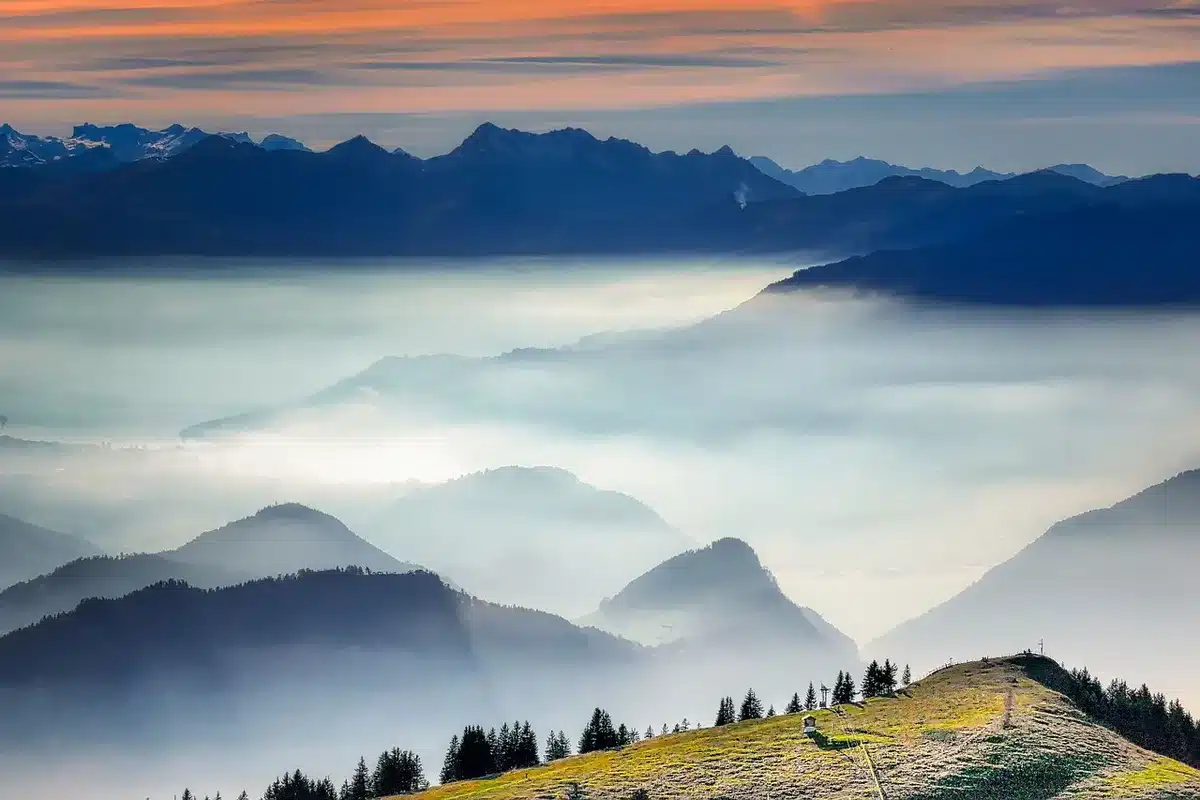
Glen Coe is the cinematic face of the Highlands. It combines steep ridges, glacial valleys, and dark history in one sweep.
Scenery and experiences
Drive the glen for instant views. Hikes, waterfalls, and lochside stops reward both short visits and longer stays.
- The Three Sisters: jagged ridgelines that define the valley.
- Glencoe Lochan: a tranquil pool framed by birchwood.
- Buachaille Etive Mòr: a striking pyramid peak popular with climbers and photographers.
Where to rest and mingle
Small villages and local inns make great bases. Order a pint, listen to hillwalking tales, and plan a dawn stroll.
Fort Augustus and Loch Ness: Quiet harbors and mythical waters
Skip the crowds of Inverness if you want calm lochside life. Fort Augustus sits on the south-west shore and feels pleasantly small.
Why Fort Augustus appeals
The village sits beside the Caledonian Canal and offers scenic lock workings and boat trips on Loch Ness.
- Canal locks: a photogenic series of interconnected locks in the village center.
- Loch cruises: short boat trips that explore Ness and the surrounding hills.
- Great Glen Way: a long-distance trail passing through for walkers and cyclists.
Where to stay
Historic inns and boutique hotels provide cozy bases. Prices vary by season, with off-peak deals easier to find.
Isle of Harris: White sands, tweed, and Atlantic panoramas
Harris surprises visitors with tropical-looking beaches and a rugged island spirit. It feels far from the mainland.
Highlights on Harris
White sands meet turquoise seas. Harris also preserves Gaelic traditions and crafts like Harris Tweed.
- Luskentyre Beach: long white sand strips backed by dramatic hills.
- Tarbert: the island’s harbor hub with shops, food, and the local distillery.
- The Golden Road: a scenic coastal route that winds through remote crofting land.
Getting there from Skye
Ferries from Uig make Harris accessible. The trip rewards drivers who want less-trod landscapes and spectacular coastline.
Travel essentials: entry rules, transport, and planning tips
Before booking, check entry and travel requirements. Rules for visitors have changed in recent years.
- UK ETA: many non-UK nationals now need an electronic travel authorization to enter the UK.
- The current fee is around £20, roughly $27, and the permit links to your passport electronically.
- Always use the official entry checker to confirm documents and visa needs before travel.
Transport and season advice
Major airports serve Edinburgh and the Highlands. Ferries and short flights connect islands like Harris and Shetland.
- Hire a car for flexibility on the North Coast and Hebrides.
- Book island ferries and rural lodgings early in summer.
- Bring layers and waterproof gear; Scottish weather changes fast.
Safety and local customs
Scotland is welcoming, but rural areas can be remote. Respect private land and follow local guidance on walking routes.
- Wild camping: allowed in many areas but check local rules and leave no trace.
- Be mindful of livestock and single-track roads; give way at passing places.
- Carry cash in smaller communities; some spots are card-free.