Show summary Hide summary
- From Strava miles to digital billboards: Hoka’s citywide activation
- Why brands now chase running communities
- Mixing creators, paid social and DOOH for maximum reach
- Events and experiences: turning training into brand moments
- How run clubs and social training amplify campaigns
- Business signals: Hoka’s growth and marketing investments
- Sponsorship strategy: targeting hardcore and mass-market events
- Measuring success: community metrics over single impressions
As the New York City Marathon approaches, Hoka has launched a citywide push to capture the attention and loyalty of runners during the critical training weeks. The brand is turning daily training into public scoreboard moments, blending digital tracking, outdoor ads and creator-driven content to stay top of mind for athletes heading into race day.
From Strava miles to digital billboards: Hoka’s citywide activation
Hoka is using a sponsored Strava challenge to collect running data across the five boroughs. That data feeds a network of digital out-of-home displays that show progress by neighborhood. The approach treats training as a story the city can watch in real time.
Taylor Swift: are we over her now that her love story is complete?
Jaime King and Austin Sosa divorced after secret whirlwind marriage: split leaves them blindsided

- Strava challenge: aggregates runs from participants across NYC.
- DOOH scoreboard: digital billboards update metrics publicly.
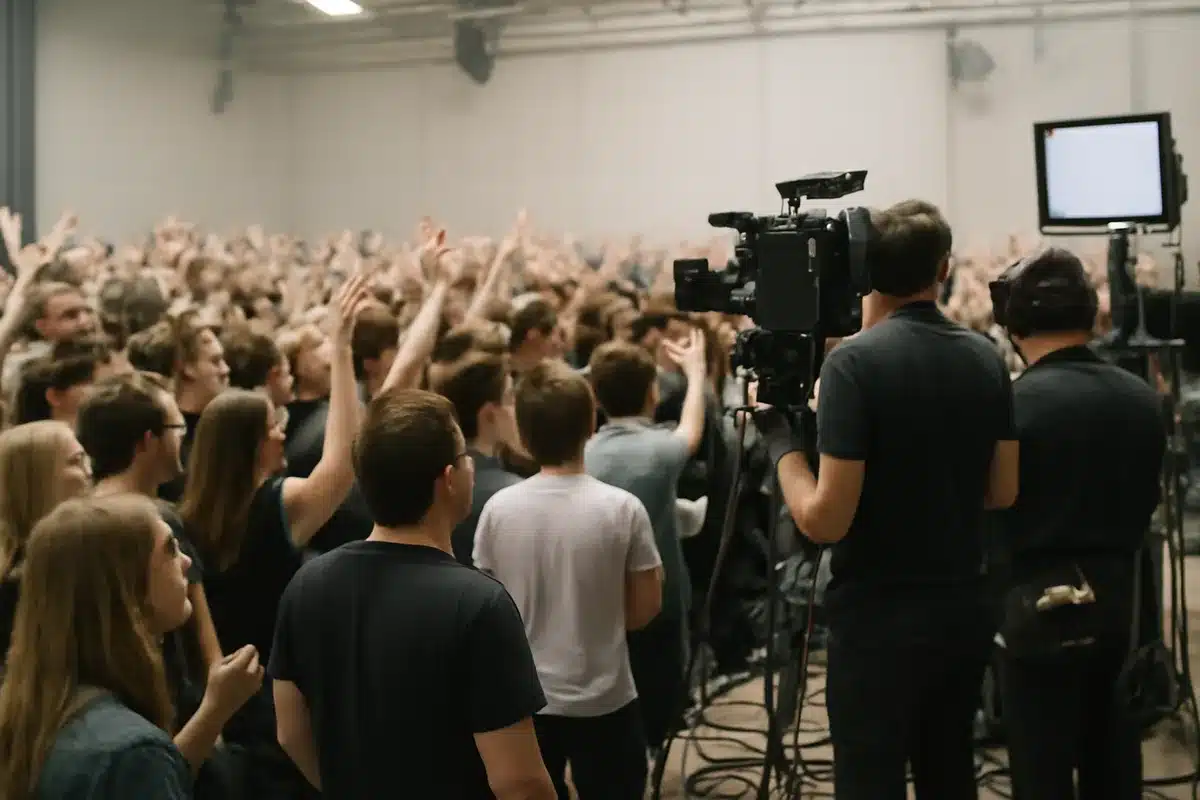
- Local events: a pre-marathon block party anchors on-the-ground energy.
The tactic turns everyday workouts into visible achievements. Runners see progress reflected back to them, rather than just receiving another product ad.
Why brands now chase running communities
Running has shifted from solo effort to social ritual. Group runs, clubs and neighborhood meetups have multiplied. That shift creates a marketing opportunity.
Industry observers say the scene has evolved from competition-driven clubs to inclusive, social-focused groups. That opens a wider audience for running gear and experiences.
- More finishers: last year’s NYC marathon recorded tens of thousands of finishers.
- Word-of-mouth: committed runners influence peers when they recommend gear.
- Higher lifetime value: frequent runners replace shoes more often.
Brands are responding with sponsorships, creator partnerships and local activations. Engagement now matters more than one-way ads, because a trusted community member can become a durable advocate.
Mixing creators, paid social and DOOH for maximum reach
Hoka’s campaign blends three channels to build momentum across platforms. The strategy aims to move people from awareness to participation, then to advocacy.
Three-pronged media strategy
- Paid social: targeted ads on TikTok and Meta to reach active and aspiring runners.
- Creator partnerships: six creators amplify authentic training stories.
- DOOH: high-visibility displays in key neighborhoods serve as communal scoreboards.
The creative team designed the mix to spark ongoing engagement. Instead of a single promotional burst, the activity encourages runners to track progress and return to the branded ecosystem.
Events and experiences: turning training into brand moments
Beyond pixels and posts, Hoka is staging in-person programming. This weekend’s block party in the city is both a community touchpoint and future content fodder.

- Community gatherings create immediate social media moments.
- Events let the brand collect stories that feed later creative.
- Physical activations signal commitment to runners, not just transactions.
That live element also helps Hoka reach first-time marathoners and traveling runners. Training support speaks to different goals: completing a first race, chasing a personal best, or enjoying the communal atmosphere.
How run clubs and social training amplify campaigns
Run clubs now function as grassroots marketing channels. They bring together novices and veterans, and they help normalize brand choices.
- Clubs expand reach through regular meetups.
- Leaders and coaches can act as trusted endorsers.
- Social accountability keeps runners engaged with challenges.
Agencies argue that brands that build trust in these communities can gain durable social proof. Creator-led storytelling and sponsor relationships create a multiplier effect beyond paid impressions.
Business signals: Hoka’s growth and marketing investments
Hoka has been a major beneficiary of the running boom. Recent quarterly results showed substantial revenue growth year over year.
- Reported global revenue topped the high hundreds of millions in the latest quarter.
- Corporate filings indicate increased sales and administrative expenses.
- Executives point to continued growth expectations for the year.
Much of the spending increase is tied to marketing. The company is reallocating resources to build brand momentum in the running category.
Sponsorship strategy: targeting hardcore and mass-market events
Hoka balances support for elite ultramarathons with activations around mass-participation races. That split helps the brand stay credible with hardcore runners while reaching mainstream participants.
- High-end endurance events bolster hardcore credibility.
- City marathons and lead-up programming attract broader audiences.
- Local activations help capture tourists and casual competitors.
Marketing that extends into the training window allows Hoka to engage runners earlier. That timing builds familiarity and shapes purchase decisions before race day.
Measuring success: community metrics over single impressions
The campaign prioritizes interaction and measurable behavior changes. Running metrics, participation rates and local engagement become key performance indicators.
- Strava participation and miles logged track momentum.
- DOOH visibility and social metrics measure reach and shareability.
- Event attendance and creator content views gauge depth of engagement.
Visible, data-driven activations encourage repeat participation. People respond to metrics that show collective progress.