Show summary Hide summary
- Why Instagram DMs have become a product research goldmine
- How emerging brands use DMs to prototype and validate
- Using DMs to feed product development and design
- Case studies: from cookware to showerheads
- From single messages to product roadmaps
- Practical steps brands use to turn messages into action
- What brands learn about who they serve
- Editorial picks and related industry updates
- Other notable brand moves spotted this week
Every morning, brand teams scroll past glossy ads and campaign briefs to the rawest channel of customer truth: their Instagram inbox. Those direct messages often contain questions, complaints and product ideas. For many companies, that steady stream of unvarnished user input has become a fast, cheap and actionable way to shape what they sell next.
Why Instagram DMs have become a product research goldmine
Brands are choosing DMs over formal research because the channel is immediate and candid. Customers write in real time, sharing use cases, pain points and feature requests.
Taylor Swift: are we over her now that her love story is complete?
Jaime King and Austin Sosa divorced after secret whirlwind marriage: split leaves them blindsided
- Speed: Messages arrive 24/7 and reveal trends faster than quarterly surveys.
- Cost: Reading and replying is cheaper than hiring a research firm.
- Authenticity: People speak plainly in DMs, often revealing details they skip in surveys.
Executives say these conversations help teams stay close to demand signals. That proximity guides decisions from content fixes to full product launches.
How emerging brands use DMs to prototype and validate
Smaller or newer companies often treat DMs as a testing ground.

- They mail free samples to people who ask in DMs and then collect reactions.
- They invite recipients to report back by message, creating a fast feedback loop.
- They use message threads to refine ingredients, sizes or subscription options.
Direct sampling that becomes research
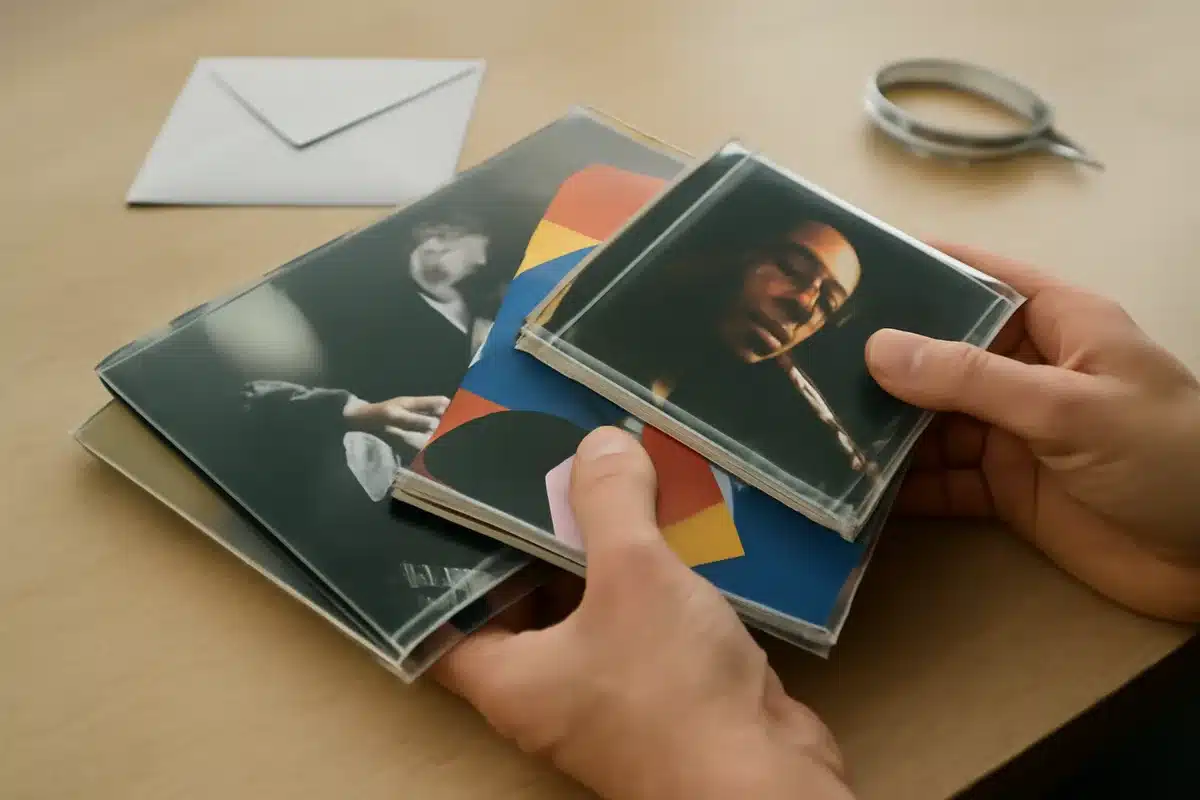
Brands send single-serve samples to anyone who messages them. That tactic pulls curious users into a private conversation. Replies include product questions, lifestyle context and purchase intent. This input informs formulation, packaging and go-to-market timing.
Using DMs to feed product development and design
Product teams are turning qualitative notes from inboxes into concrete design changes. Messages point out recurring fit issues, material concerns and desired features.

- Customers note when seams, magnets or fabrics fail expectations.
- Teams test changes with prototype send-outs and follow-up DMs.
- Requests for new SKUs often appear first as single messages.
Small edits, big impact
Sometimes a handful of DMs trigger a revision. A fabric swap, an adjusted closure or a shifted grip can come directly from consumer comments. These are low-friction fixes that can lift conversion and reduce returns.
Case studies: from cookware to showerheads
Different categories show how universal the DM strategy is.
Kitchenware brands
- Customers report cooking problems and ask care questions in DMs.
- Brands respond with quick videos or tips to solve usage issues.
- Persistent requests can lead to new accessories or reworked designs.
Health and wellness startups
New supplement makers use DMs to send samples and answer ingredient questions. Those conversations reveal how people plan to use a product and whether they prefer subscriptions or single purchases.
Apparel and intimate wear
- Fit feedback via DMs guides size ranges and new cuts.
- Brands ask for consensus before launching sensitive SKUs.
- Prototypes sent to followers generate candid notes that email seldom does.
Home goods and hardware
Color requests, installation questions and accessory ideas show up in comments and messages. Brands weigh these signals to decide which variants to produce next.
From single messages to product roadmaps
Not every DM equals a new SKU. Teams look for patterns and volume before pivoting.
- They track repeat asks across weeks and channels.
- They test demand with social polls and broadcast channels.
- They prioritize changes that affect sales or reduce returns.
When DMs align with survey data and sales trends, leaders take action. That combined evidence lowers the risk of investing in new production lines.
Practical steps brands use to turn messages into action
Successful teams treat DMs as structured input, not random chatter. They use clear workflows.
- Assign a person or team to read and tag messages daily.
- Log recurring themes in a shared document or tool.
- Route technical questions to product or engineering for follow-up.
- Test product tweaks with small batches sent to engaged followers.
- Feed validated signals into the roadmap with timelines and budgets.
Transparency matters. When brands reply publicly or post explainer videos, they close the loop and build trust.
What brands learn about who they serve
DMs also reveal customer segments and edge cases that analytics miss.
- Requests for muted colors or different sizes highlight new audiences.
- Questions about installation or compatibility hint at adjacent product markets.
- Personal notes show how products are used in real life.
These insights can guide expansion, from new colorways to entirely new categories.
Editorial picks and related industry updates
- Lawmakers are debating rules for hemp-derived beverages and their future in the market.
- Victoria’s Secret reported a notable uptick in recent quarter sales.
- Oura posted strong revenue growth as it readies a public debut.
Other notable brand moves spotted this week
- Sample events and flash sales continue to drive rapid sellouts for digital native brands.
- Pop-up activations at state fairs are becoming a preferred field test for apparel labels.
- Large activewear companies are adjusting leadership as they respond to shifting comps.