Show summary Hide summary
- Why pick off-the-beaten-path Mexico for a winter beach escape
- Top safe, undiscovered Mexican beach towns to book this winter
- What you’ll likely pay — realistic price guide for hidden beach towns
- Getting there: airports, drives, and local transport tips
- Safety and practical advice for visiting lesser-known coastal towns
If you’re tired of crowded resorts and overpriced tourist zones, Mexico still holds secret coastlines where the sand is quiet and the food feels like home. I spent a year exploring lesser-known seaside towns to find safe, authentic winter escapes. These picks deliver warm water, local flavor, and very few tourists.
Why pick off-the-beaten-path Mexico for a winter beach escape
Popular spots like Cancun and Playa del Carmen are packed and pricey. By contrast, smaller coastal towns offer empty beaches, local markets, and better value. Many of the places I visited are in Mexican states that the US State Department rates as Level 1 or Level 2, meaning they are considered relatively safe for travelers.
Mia Goth files for divorce from Shia LaBeouf: 10-year marriage ends
3 safest undiscovered Mexico beach towns this winter: pristine beaches, $2 tacos and 80°F days
- Level 1 states show the lowest advisory levels.
- Level 2 states are also considered safe when practicing normal precautions.
- Smaller towns often have boutique lodging, family-run restaurants, and protected beaches.
Top safe, undiscovered Mexican beach towns to book this winter

El Cuyo, Yucatán — a quiet fishing village with Caribbean calm
North of the busy Cancun corridor, El Cuyo feels like a discovery. The state of Yucatán carries a Level 1 safety advisory, and the town’s slow pace reflects that security. Streets are often sand, not pavement, and development is minimal.
- Why go: miles of empty beach, fresh seafood, kitesurfing on calm waters.
- Vibe: low-key, artsy guesthouses and colorful murals.
- Best for: travelers who want to unplug and move at local speed.
Loreto, Baja California Sur — history, marine life, and peaceful waterfronts
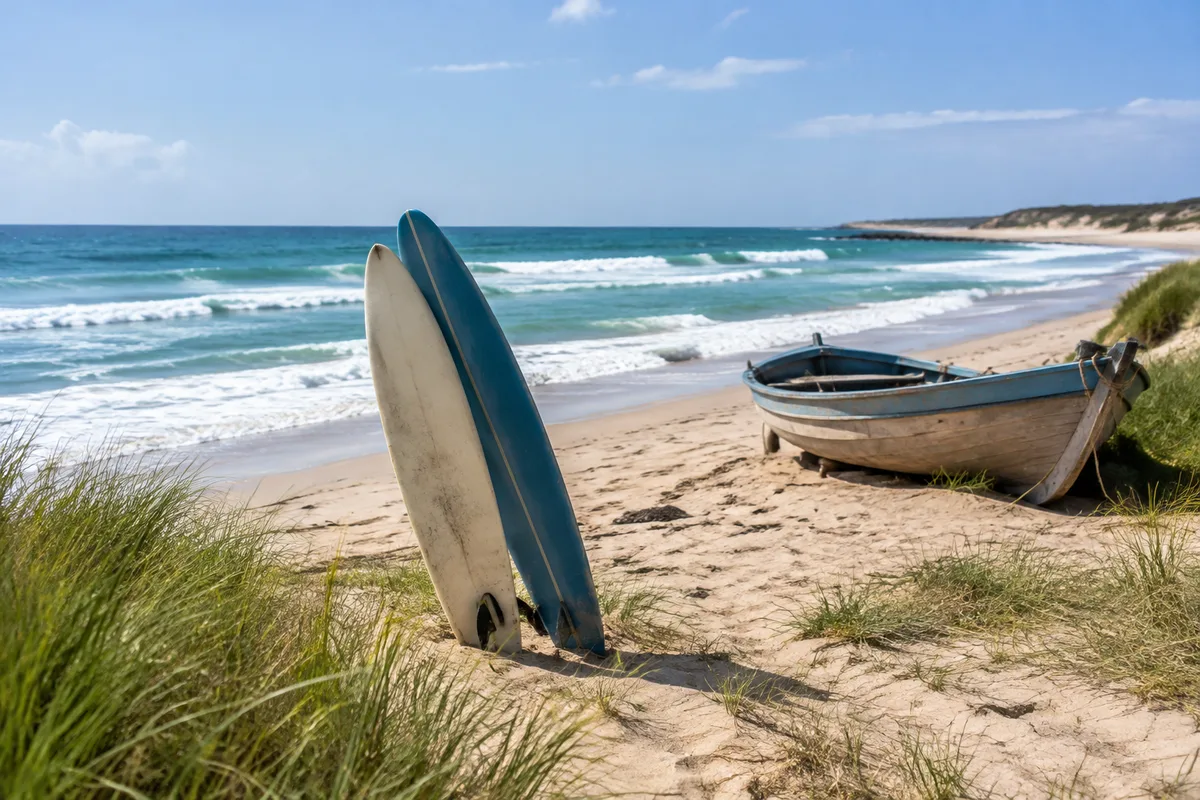
Baja California Sur is rated Level 2, and Loreto is one of the safest, least commercialized towns on the peninsula. It sits on the Sea of Cortez, a protected marine area known for crystal-clear water and abundant wildlife.
- Why go: day trips to marine parks, dolphin and whale watching, calm snorkeling.
- Vibe: historic missions, cobblestone streets, a mellow malecón for sunset walks.
- Best for: nature lovers and anyone who prefers small-town charm to resort bustle.
Huatulco, Oaxaca — nine bays and a focus on conservation
Oaxaca’s Pacific coast blends culture and coastline. Huatulco, on the southern shore, benefits from planning that protects large swaths of land as park and reserve. The state currently holds a Level 2 advisory, and Huatulco’s design keeps crowds away.
- Why go: nine bays, thirty-six beaches, and easy boat rides to deserted coves.
- Vibe: protected landscapes, eco-friendly tours, and a lively town center in La Crucecita.
- Best for: food-focused travelers who still want beach privacy.
What you’ll likely pay — realistic price guide for hidden beach towns
One of the biggest perks of skipping mass-tourism hubs is local pricing. Expect to spend a fraction of what you would in major resort destinations.
- Small boutique guesthouse: $50–$95 USD per night in high season.
- Street tacos: $1.50–$2.00 USD each at neighborhood stands.
- Beachfront plates (ceviche, grilled fish): $8–$12 USD.
- Local beer: $2–$3 USD almost everywhere.
- Fresh juices or coffee: around $2 USD.
- Compact car rental: $30–$45 USD per day for exploring.
- Boat to a deserted beach: $15–$25 USD for a half-day trip.
Getting there: airports, drives, and local transport tips
Access to these towns is easier than many assume. A short drive or a regional flight will get you away from the crowds.
- El Cuyo: fly into Cancun, rent a car, drive about two hours north to leave the busy corridor behind.
- Loreto: has its own airport with seasonal direct flights from western U.S. cities like Los Angeles and Phoenix.
- Huatulco: served by an international airport with winter routes from hubs such as Dallas and Chicago.
- Local tip: renting a car adds flexibility to reach hidden beaches and small villages.
Safety and practical advice for visiting lesser-known coastal towns
Even in states with low advisory levels, standard precautions help you travel confidently.
- Register travel plans: share itinerary details with someone at home.
- Use local guidance: ask hotel staff about safe areas and recommended routes.
- Cash and cards: carry some pesos for markets and boat rides, but credit cards are accepted in many places.
- Respect local culture: language and customs vary; small gestures go a long way.