Show summary Hide summary
- Hype Lab: a fast lane for trend-driven fragrances
- Why limited drops create urgency and buzz
- New leadership and a plan to reset the brand
- How tiny teams and fast processes bring scents to market
- Where inspiration comes from: feeds, fandoms and unexpected places
- Upcoming drops and the Halloween push
- How success is measured: conversation over pure sales
When Bath & Body Works slipped a small trio of dessert-inspired perfume mists onto its site in September, shoppers raced in. The limited-run scents — riffing on Japanese cheesecake, a chewy Dubai cookie and a chocolate “angel hair” treat — disappeared from the virtual shelves in minutes, underlining a growing appetite for quick-turn, culture-driven releases.
Hype Lab: a fast lane for trend-driven fragrances
Hype Lab is Bath & Body Works’ experimental arm for short-run perfumes. The program aims to capture cultural moments and turn them into scented products fast. These launches appear on Drops, the brand’s online space for early-access items and exclusive releases.
Celebrity Traitors rich list: the wealthiest stars to ever appear across both series
Bath & Body Works tests small-batch fragrances in Hype Lab

Small batches, rapid timelines and social-media signals are the hallmarks. Hype Lab is designed to move nimbly, test consumer reactions and feed learnings back into larger product plans.
Why limited drops create urgency and buzz
Scarcity and novelty drive attention. When fans see a playful, dessert-themed mist with a small production run, they buy quickly. Social posts amplify demand, and the online exclusivity of Drops heightens the sense of urgency.
- Viral trends spark curiosity.
- Limited quantity encourages fast purchases.
- Exclusive online windows reward active followers.
New leadership and a plan to reset the brand
Bath & Body Works entered a period of change after appointing Daniel Heaf as CEO in 2025. Heaf arrived from Nike, where he led strategy and transformation work.
Heaf introduced the Consumer First Formula, a multi-year turnaround focused on rebuilding momentum. The strategy rests on four key pillars:
- Create disruptive products that surprise customers.
- Reignite the brand’s emotional appeal.
- Win in the marketplace through smarter distribution.
- Operate faster and more efficiently.
Teams across merchandising and product design are working to translate those pillars into new formats and launches.
How tiny teams and fast processes bring scents to market
A cross-functional crew drives Hype Lab. The merchandising executive behind the effort assembled a compact “ninja team” that pulls people from digital, creative and fragrance groups.
Typical development takes about eight to twelve weeks. Bath & Body Works partners with the MANE fragrance house for formulas. Bottling happens at the company’s facilities in Ohio, keeping production in-house.
Products that test ideas before scaling
Recent initiatives under the disruptive-products pillar include Essentials, a gentle body-care line for sensitive skin, and Reserve, a stripped-back collection of home fragrances made to look like décor pieces.
Hype Lab operates like a lab bench: create, test and collect signals before considering broader rollouts.
Where inspiration comes from: feeds, fandoms and unexpected places
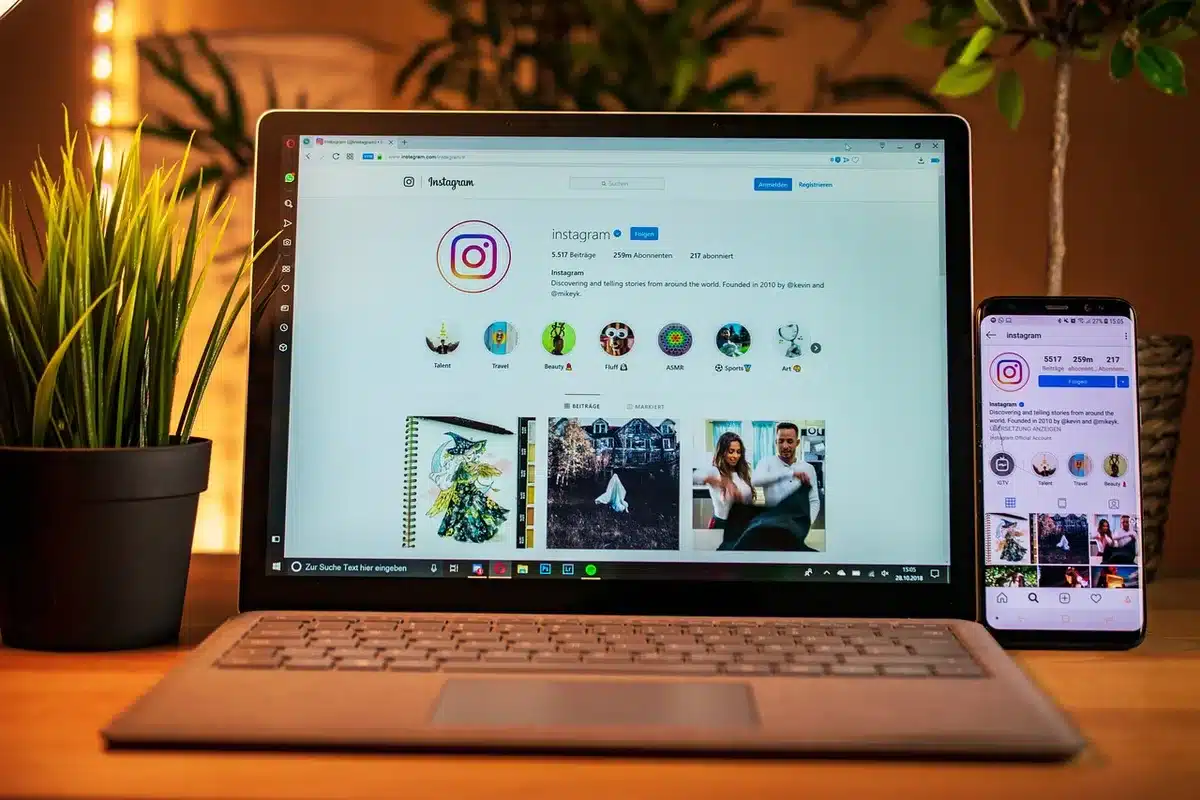
Social platforms like TikTok and Instagram are primary idea sources. Hype Lab monitors trending audio, viral recipes and meme-driven fandoms to spot opportunities.
But inspiration also arrives from outside the usual channels. Sports moments, film premieres and even podcast conversations can spark a scent concept. The goal is to translate cultural energy into an olfactory experience.
Upcoming drops and the Halloween push
The next Hype Lab release is timed for spooky season. Called Hex Appeal, the scent is billed as modern, spicy and woody, with an incense-like allure. It aims to tap into autumn rituals and seasonal curiosity.
How success is measured: conversation over pure sales
Because the runs are intentionally small, Bath & Body Works does not judge Hype Lab solely by revenue. Instead, the program tracks engagement and feedback.
- Social comments and posts signal cultural resonance.
- Product reviews and on-site comments show what shoppers loved or disliked.
- Repeat visits and demand help decide if a concept deserves wider distribution.
Testing, learning and listening to customers are central. Insights from these experiments inform larger collections and mainstream assortments.