Show summary Hide summary
- Why hotels have become prime marketing stages for brands
- Real-world activations turning rooms into showrooms
- How experiential activations drive content and conversions
- Brands across categories are leaning into hospitality
- Why guests are more likely to try new products while traveling
- Data that shows hospitality is a meaningful discovery channel
- How brands adapt product and storytelling to place
- Hospitality as a strategic channel for long-term growth
- Trending briefs: industry headlines to watch
- Recent coverage and notable pop-ups
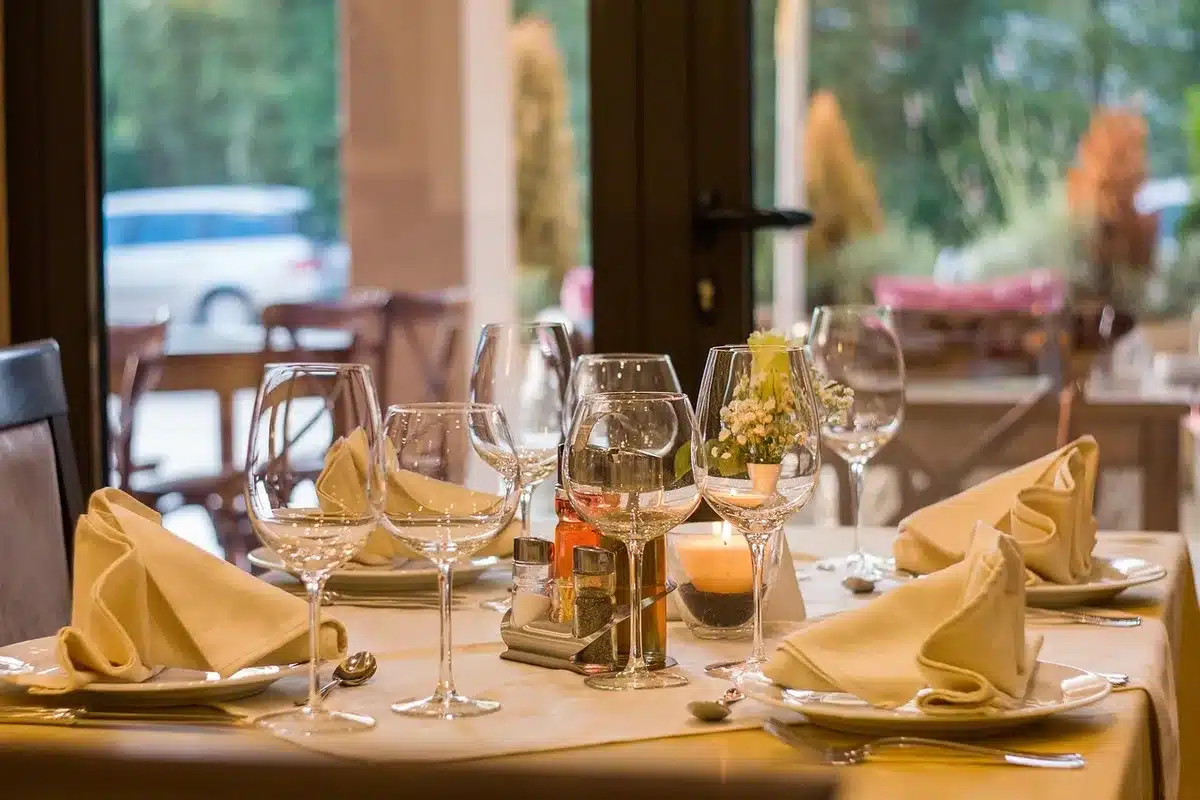
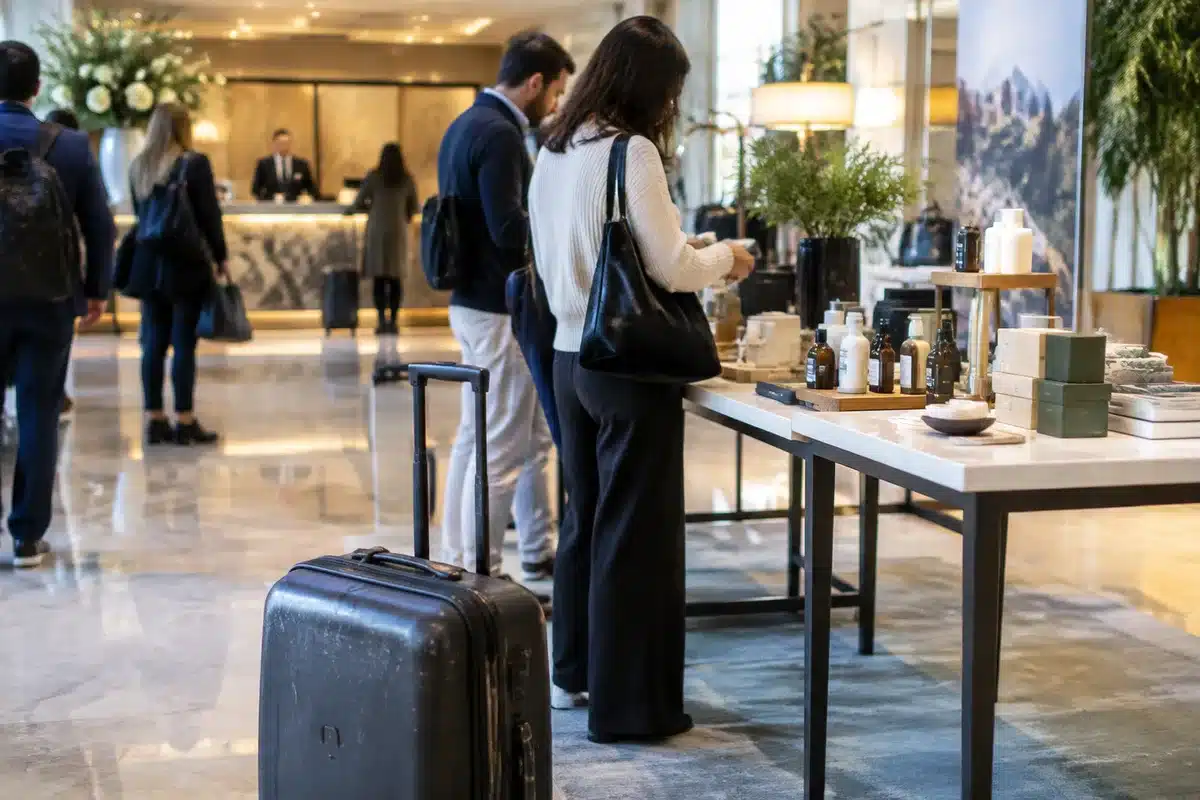
Hotels are no longer just places to sleep. Brands are treating suites and resort lobbies as living showrooms, using curated pop-ups, influencer weekends and in-room products to reach travelers when they are most open to discovery.
Why hotels have become prime marketing stages for brands
Marketers see hotels as concentrated moments of attention. Guests spend downtime planning activities, browsing local shops and snapping photos.
Gypsy Rose Blanchard releases private texts with Ken Urker: shuts down custody rumors
Oliver Stark injured in stunt on 9-1-1 set: 3 others hurt
That attention makes hotels a powerful channel for brand discovery. Travel demand remains steady; the U.S. Travel Association expects domestic travel spending to tick up in coming years. PwC finds vacationers typically spend about $198 on shopping and souvenirs during summer trips.
Real-world activations turning rooms into showrooms
Brands are experimenting with different formats to fit hotel settings.
- Fashion pop-ups: Designer Lela Rose staged a three-day après-ski activation at Caldera House in Wyoming and a Summer pop-up at Montage Big Sky timed with a Professional Bull Riders event.
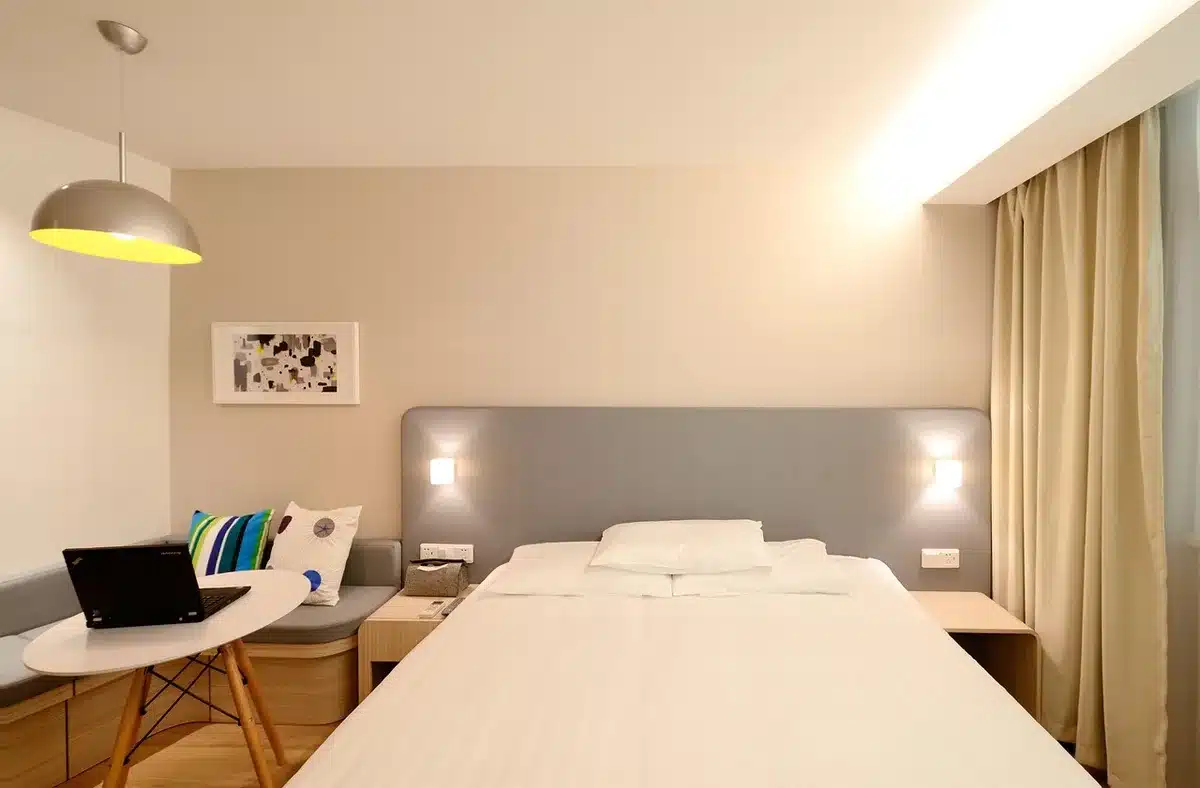
- Product immersion: HVAC brand Quilt installed its electric heat pumps in hotel rooms at Madrona Hotel and Hotel Lilien to let guests experience the product firsthand.
- Resort partnerships: Retail and hospitality teams have teamed up for exclusive capsule collections and in-hotel commerce, from capsule accessories to resortwear collaborations.
How experiential activations drive content and conversions
Hotels double as content studios. Brands invite creators to stay, produce material and amplify it across channels.
Case study: Quilt’s influencer weekend
Quilt hosted an influencer retreat at Hotel Lilien called “Camp Cool.” Creators made short-form videos while hiking and making s’mores. Quilt has repurposed that material in paid media.
The effort earned millions of impressions. The company reports roughly two and a half million views from the activation.
- Quilt’s model is B-to-B-to-C: it sells heat pumps to installers who then sell to homeowners.
- Hotels serve as a low-friction way to demonstrate a product that is rarely evaluated in-store.
- The brand also uses hotel stays as incentives for top-performing installers.
Brands across categories are leaning into hospitality
Partnerships span apparel, home goods, toiletries and more. Hotels offer a platform for physical discovery.
- St. Regis Chicago teamed with British menswear label Drake’s on a limited accessories capsule.
- Spanx launched a resort capsule with The Shelborne By Proper and Montauk Yacht Club.
- Marriott began selling linens and decor used in its rooms to guests.
- Draper James set up pop-ups at Hilton Graduate Hotels to reach families visiting for campus weekends and sporting events.
- Public Goods supplies refillable toiletries to hospitality partners such as Mint House, Stanly Ranch, Auberge Resorts Collection and Kimpton Hotel Enso.
Why guests are more likely to try new products while traveling
Hotels create a trial environment. Without the pressure of daily routines, guests often sample new soaps, skincare and small-batch goods.
Sampling over a stay builds trust in product quality. Public Goods says guests can experience full-size formulas over multiple days, which helps convert trial into repeat purchase.
Data that shows hospitality is a meaningful discovery channel
Brands track how travelers find them and act on those insights.
- Public Goods reports that 9.6% of newly acquired customers say they first found the brand via an Airbnb.
- An additional 3.1% say they discovered the brand through a hotel or restaurant.
- About 75% of Public Goods’ B2B revenue comes from hospitality accounts.
- For Lela Rose, a mountain pop-up delivered a high rate of acquisition: 82% of customers at one Big Sky event were new to the brand.
How brands adapt product and storytelling to place
Successful hotel activations reflect local culture and timing. Brands curate assortments to match guest intent.
- Fashion labels tailor merch to events, such as rodeos or yacht weekends.
- Design choices aim to feel like a natural extension of the hotel’s aesthetic.
- Events like brand dinners create intimate access and drive word-of-mouth.
Brands often choose properties where they already have ties, so the activation reads as authentic rather than opportunistic.
Hospitality as a strategic channel for long-term growth
Leaders at these brands call hotels a repeatable growth play. The environment helps convert casual observers into customers.
Hotel activations are also a hedge against saturated digital channels and rising ad costs. Many brands see value in reaching travelers during peak moments of happiness and curiosity.
Trending briefs: industry headlines to watch
- On signed a major soccer partnership and attracted Kylian Mbappé away from Nike. (CNN)
- Converse issued an apology after ad campaigns drew offensive comparisons. (Footwear News)
- Revolve is collaborating with Donatella Versace on a new fashion and beauty offering. (WWD)
Recent coverage and notable pop-ups
- K-beauty brands like Amuse, Voesh and Dr. Melaxin have been spotlighted at Target’s Beauty Studio.
- Beyond Yoga promoted a new fabric line at a New York City pop-up.
- Carter’s rolled out a brand refresh aimed at Gen Z and millennial parents.