Show summary Hide summary
- What makes Burgos a low-key European gem
- Burgos Cathedral: a UNESCO Gothic masterpiece
- Wandering the historic center: compact and walkable
- Top sights worth your time
- Why Burgos feels safer than many big cities
- Travel advisories and practical safety tips
- Food culture: hearty Castilian cooking and wallet-friendly tapas
- Typical prices and value for travelers
- When to visit and how crowds behave
- Getting around: easy walking and short local transit
- Where to sleep: neighborhoods that suit different travel styles
- Local events and seasonal highlights to watch for
- How Burgos compares to Spain’s better-known cities
- Practical tips for planning your visit
- How visitors are discovering Burgos right now
When headlines show riots in big European cities, many travelers look for quieter corners of the continent. Burgos, in northern Spain, is quietly drawing attention as a medieval city where history, food and safety mix well. If you want Gothic spires, compact streets and affordable tapas without mass tourism, Burgos deserves a spot on your list.
What makes Burgos a low-key European gem
Burgos sits in Castile and León and keeps a slower pace than Spain’s coastal hotspots. The city’s medieval heart remains surprisingly intact. cobbled lanes lead between family-run bars and historic churches. Visitors describe Burgos as atmospheric rather than crowded.
Executive turnover in retail media: why leaders keep walking and what’s next
Timberwolves vs Bulls live stream today: where to watch
This is a place for travelers who prefer authenticity over spectacle. Expect local life, not tourism hubbub.
Burgos Cathedral: a UNESCO Gothic masterpiece
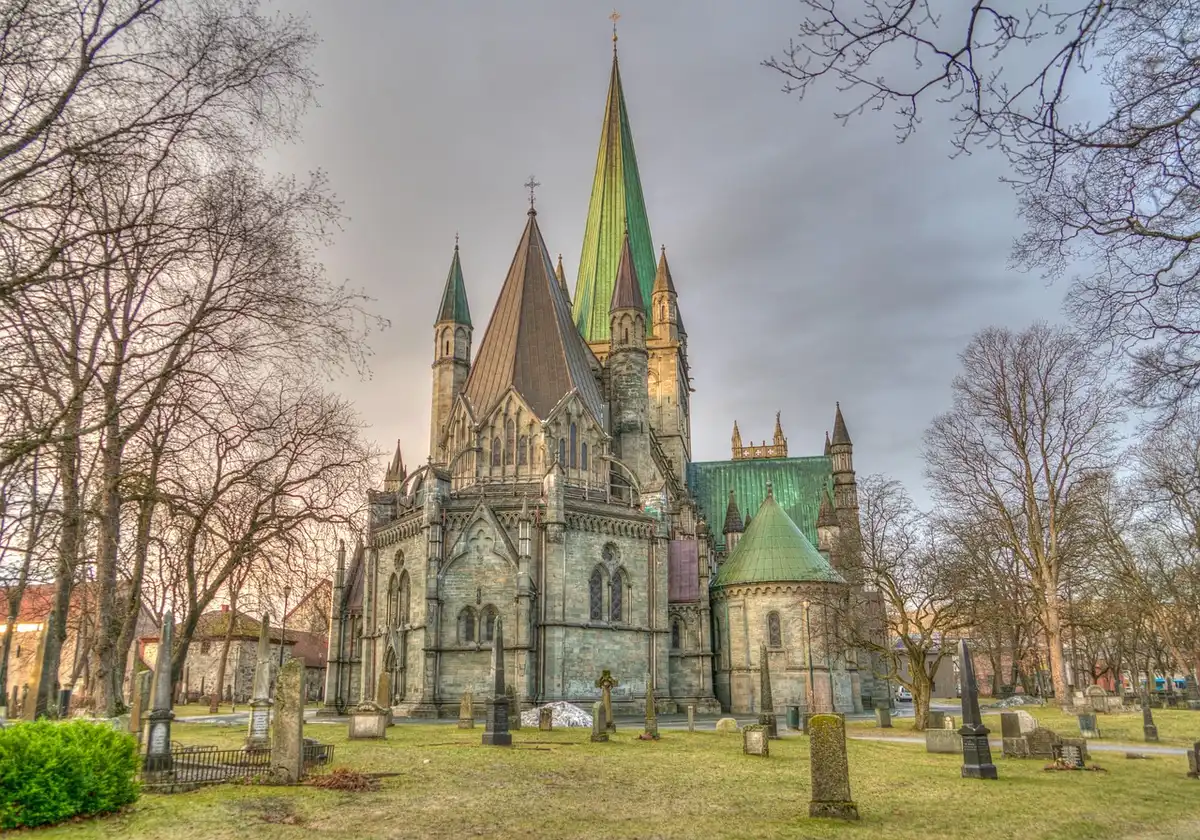
The cathedral dominates the skyline. Construction began in the 13th century and its Gothic details are remarkable. Intricate spires, a star-vaulted dome and ornate portals reward even brief stops.
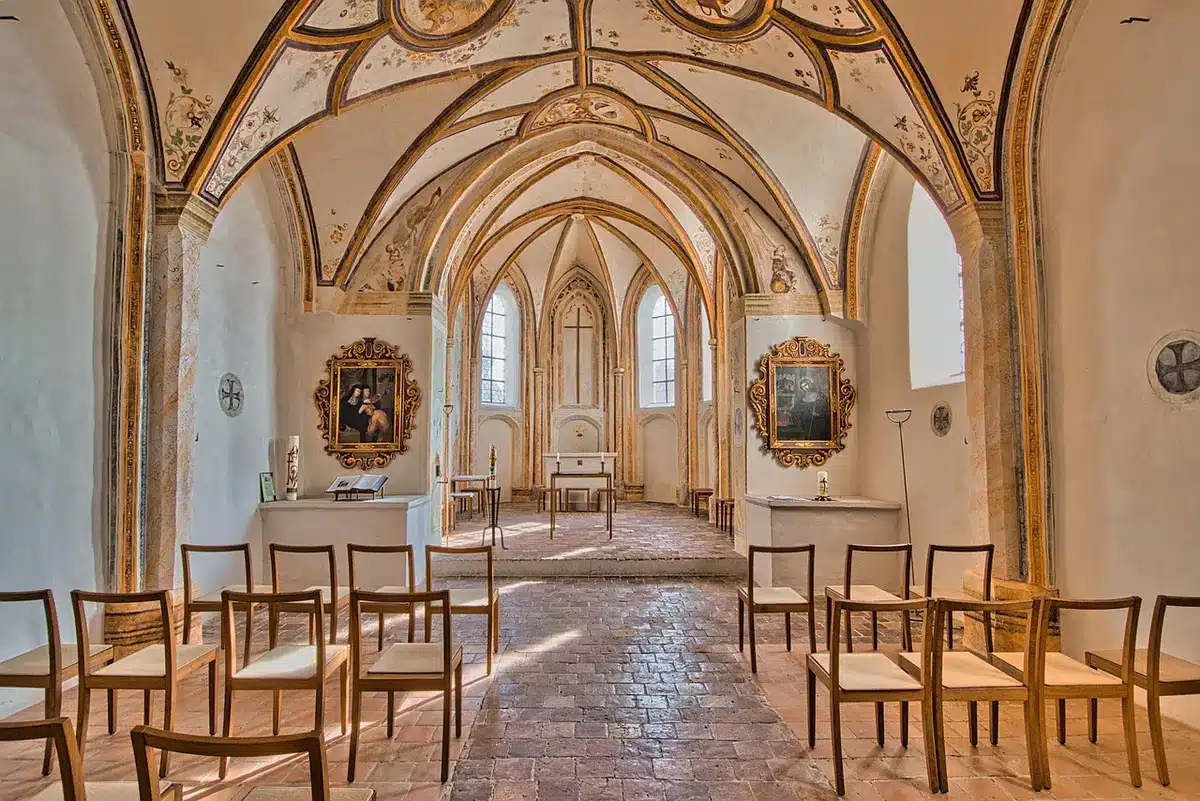
It also houses the tomb of El Cid, a figure central to Spain’s medieval lore. Guided tours and audio guides explain the architecture and the stories carved into stone.
Architectural highlights to look for
- Delicate lace-like spires that puncture the sky.
- The Golden Staircase and the star-vaulted dome.
- Sculpted portals filled with biblical scenes.
Wandering the historic center: compact and walkable
Burgos’s Centro Histórico fits neatly into a short walking loop. From the cathedral square you can reach the hilltop castle remains within 15 minutes. Along the way, medieval walls, hidden chapels and fountains appear around corners.
That compact layout makes the city easy to explore on foot. There’s no need for long commutes or confusing transit systems to see the main attractions.
Top sights worth your time
These spots form the backbone of any first visit. Each sits within the Old Town or a short walk away.
- Burgos Cathedral: The UNESCO-listed centerpiece and must-see.
- Arco de Santa María: A monumental city gate with sculptural decoration.
- Castillo de Burgos: Ruins on a hill offering panoramic city views.
- Plaza Mayor: The arcaded central square framed by cafés and the Town Hall.
- Church of San Nicolás de Bari: Small but home to a significant stone altarpiece.
- Casa del Cordón: A 15th-century palace linked to Spain’s Age of Exploration.
- Church of San Gil Abad: A medieval church with richly decorated chapels.
Why Burgos feels safer than many big cities
Burgos lacks the dense tourist crowds and packed transit hubs found in capitals. That reduces common opportunistic crimes, such as pickpocketing. Local police presence and well-lit streets in the Historic Centre add to the sense of security.
Crime per capita in the province ranks among Spain’s lower rates. Violent incidents affecting visitors are rare.
Keep standard travel precautions. Watch your bag in busy squares and near major monuments. Otherwise, Burgos offers a calm urban experience compared with cities facing recent unrest.
Travel advisories and practical safety tips
- Spain as a whole may carry broad advisories; Burgos itself has not shown signs of civil unrest.
- Register travel plans with your embassy if you prefer extra peace of mind.
- Use common-sense precautions: avoid poorly lit alleys late at night, carry copies of documents, and keep emergency contacts handy.
Food culture: hearty Castilian cooking and wallet-friendly tapas
Burgos is inland, colder than coastal cities, and its cuisine reflects that climate. Expect robust dishes built to warm you up.

Morcilla (rice-stuffed blood sausage), slow-roasted lamb and brothy stews are regional staples. Wines from nearby Ribera del Duero often accompany meals.
Local spots and specialties
- Casa Pancho: a long-standing local tavern known for chorizo-topped bread and stuffed mussels.
- La Cueva del Champiñón: a tiny bar famous for sizzling mushroom skewers with prawns.
- Vermutería Victoria: a lively spot near the cathedral for vermouth and pinchos.
- Restaurante Casa Ojeda: an elegant, historic dining room famous for roasted milk-fed lamb.
Typical prices and value for travelers
Burgos delivers strong value compared to Barcelona or Madrid. You can eat well without high prices, and accommodations are generally more affordable.
- Pincho or tapa: $1.50–4.50
- Menú del día (two courses, dessert, drink): $17–25
- Main dish like morcilla or roast meat: $18–29
- Three-course mid-range meal: $34–51 per person (no drinks)
- Glass of Ribera del Duero: $2.80–5
- Draught beer: $2.80–4.50
- Café con leche: $2–3
- One-way bus ticket: ~ $1.35
- Cathedral admission: ~ $12.50
- Guesthouse per night: $55–105 (double)
- 3-star hotel: $80–160 (double)
- 4-star hotel: $105–225 depending on dates
When to visit and how crowds behave
Peak summer draws more Spanish and international visitors, but Burgos rarely reaches the crush of coastal resorts. Spring and fall are ideal for cooler weather and comfortable sightseeing.
Because tourism is still modest, you’ll find quieter terraces and easier reservations. That makes Burgos a good choice for travelers who want medieval atmosphere without long lines.
Getting around: easy walking and short local transit
The Old Town is compact enough to explore on foot. For sites farther out, local buses are inexpensive and straightforward. Taxis are available but often unnecessary for short distances.
- Walking: best way to soak in the city’s character.
- City bus: cheap and covers suburban neighborhoods.
- Train connections: Burgos links to major cities if you want to combine destinations.
Where to sleep: neighborhoods that suit different travel styles
Accommodation ranges from modest guesthouses near the cathedral to mid-range hotels with modern comforts. Staying inside the Centro Histórico keeps most major sights within minutes.
- Historic Centre: ideal for first-timers who want to be close to landmarks.
- Near the train station: practical for day trips and onward travel.
- Suburban areas: quieter, sometimes better value for longer stays.
Local events and seasonal highlights to watch for
Burgos hosts cultural festivals, religious processions and food fairs throughout the year. These events spotlight regional traditions and add color to the visitor experience.
Checking a local events calendar before booking helps you catch markets, concerts and neighborhood celebrations.
How Burgos compares to Spain’s better-known cities
Burgos trades headline-grabbing nightlife and beaches for preserved architecture and local rhythm. If you want to avoid mass-tourism stress and still experience classic Spain, Burgos fits the bill.
Fewer tourists, authentic taverns, and a strong historical core make it attractive for cultural travelers and food lovers alike.
Practical tips for planning your visit
- Book cathedral and castle tickets in advance during high season.
- Carry cash for small tapas bars; many still favor cash payments.
- Learn a few Spanish phrases; local staff appreciate the effort.
- Allow time to wander without a strict itinerary; Burgos rewards slow exploration.
How visitors are discovering Burgos right now
Recent months show increasing overnight stays, particularly from international travelers. The city is growing in popularity while retaining a measured, accessible feel.
For travelers seeking a medieval setting with modern comforts and strong safety, Burgos is emerging as a smart alternative to Spain’s more crowded destinations.