Show summary Hide summary
- Riyadh showdown: what this fight reveals about Canelo’s next chapter
- From teenage breakout to household name: the making of a Mexican star
- Weight-class experiments: why catchweights became Canelo’s tool
- Peak performance: becoming pound-for-pound royalty
- Late-career recalibration: losses, rematches and the Mayweather blueprint
- What to monitor on fight night: five signs a fifth act is possible
- Paths forward: rematches, new challengers and the boxing ecosystem
- How fans and the sport view the comeback story
Saúl “Canelo” Álvarez returns to the ring in Riyadh after more than a year away, and every conversation about him now blends respect with a set of familiar questions. At 33, he must answer whether his body, ambition and legacy still justify risking everything in the ring. Saturday’s bout with WBC super middleweight champion Christian Mbilli will offer clues.
Riyadh showdown: what this fight reveals about Canelo’s next chapter
Fans and pundits will watch more than two fighters on fight night. They will watch a career trajectory.
Savannah Guthrie begs for answers about missing mom: we cannot move forward
Netflix to give Joel Coen’s gothic mystery Jack of Spades a theatrical release in 2027
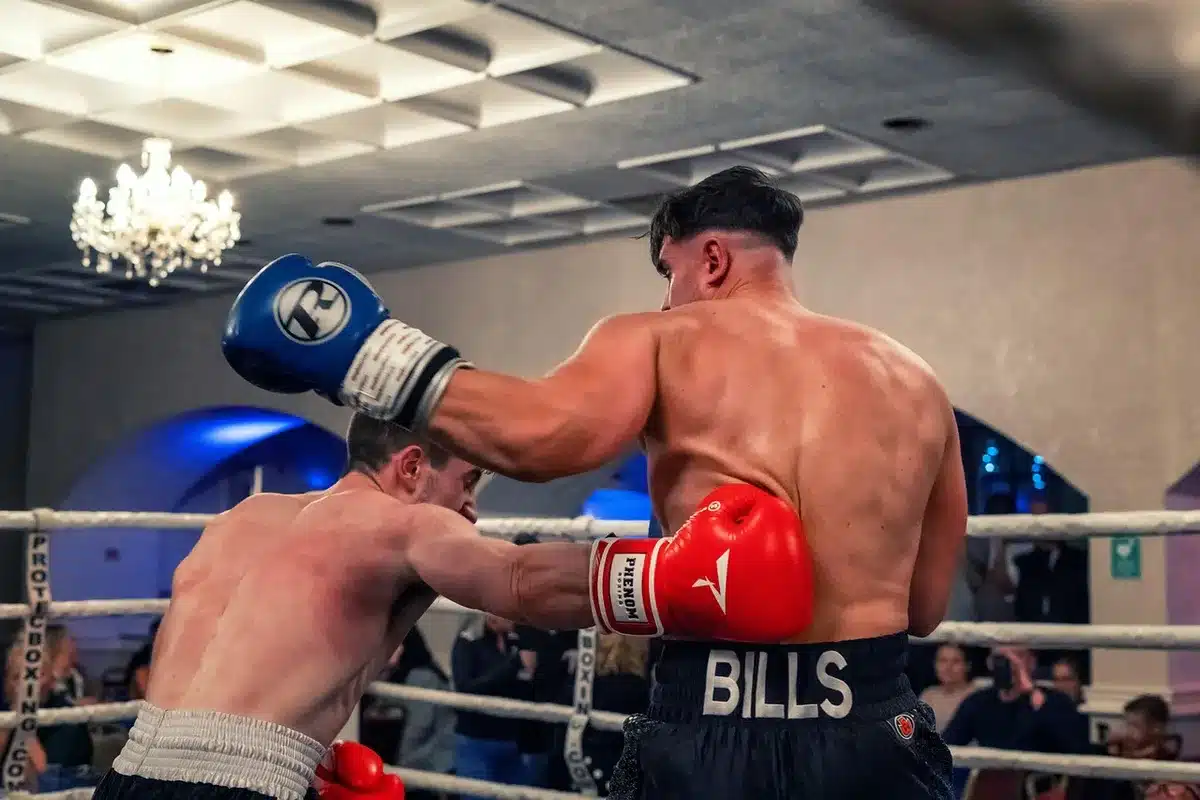
Mbilli is a hungry, powerful champion, but the bigger story is Canelo’s health and timing. He arrives off elbow surgery, claiming he feels sharper. That repair could be decisive.
If Alvarez looks like his old self, questions about retirement fade. If he struggles, debates about whether he should continue will only grow louder.
- Venue: Riyadh, part of boxing’s expanding global footprint.
- Stakes: Proof of recovery after elbow surgery.
- Context: First fight in over a year, following losses that reshaped perceptions.
From teenage breakout to household name: the making of a Mexican star
Álvarez turned pro in his mid-teens and quickly became a talking point. A compact, hard-hitting youngster with striking red hair, he won attention by stopping veteran opponents early in his career.
Golden Boy Promotions gave him a prime platform. Early wins against experienced foes built momentum and created expectations that he could carry into the sport’s brightest lights.
His first attempt at a major title came after stepladder progress through tougher matchups. He earned belts, defended them, and proved he could handle different styles during his formative years.
Weight-class experiments: why catchweights became Canelo’s tool
As his reputation grew, Álvarez began to shift between limits. He rarely stayed faithful to a single division.
He took fights at slightly different weights to secure marquee matchups and to bridge the gap between divisional champions. That strategy brought both advantages and criticism.
- Benefits: Bigger paydays and higher-profile opponents.
- Downside: Accusations of selecting favorable parameters.
- Result: Proof he could compete at middleweight and above.
Key wins at these catchweights — against notable opponents — showed he could combine power and technique across divisions.
Peak performance: becoming pound-for-pound royalty
Canelo’s career reached a zenith when he proved himself against the era’s best middleweights. Two high-profile fights defined this period and moved him into the pound-for-pound conversation.
After a controversial split of outcomes with a major rival, he emerged as a dominant force at super middleweight. He built an unbeaten run and collected titles to claim undisputed status at 168 pounds.
Defeating top champions in succession — and closing out the division — solidified his legacy. Those victories also coincided with boxing’s tougher commercial environment, where Canelo was often the sport’s biggest draw.
Late-career recalibration: losses, rematches and the Mayweather blueprint
Setbacks have reshaped Alvarez’s recent path. A clear defeat at light heavyweight and a masterful performance by Terence Crawford exposed new limitations.
Those outcomes led to a recalibrated schedule: selective opponents, big-pay-per-view weekends and a focus on maintaining star power. The pattern echoes a strategy used by another megastar of the sport.
Critics point to a sequence of low-risk, high-reward matchups. Supporters counter that those bouts brought value to boxing during turbulent times.
Recent landscape
- Loss to a technical, high-volume light heavyweight opponent.
- A defeat that highlighted the gap versus a top welter/middle operator.
- Six straight wins afterward, mostly decisive but scrutinized for opponent selection.
What to monitor on fight night: five signs a fifth act is possible
The Mbilli fight is about more than the final score. Look for specific indicators that reveal where Álvarez stands.

- Elbow responsiveness: Is his jab and throw sharp on both sides?
- Footwork and mobility: Can he move in the way that once defined him?
- Power retention: Does he still hurt opponents the way he used to?
- Defensive acuity: Can he avoid the volume punchers who exposed him?
- Late-round stamina: Will he handle the deep rounds without fading?
Paths forward: rematches, new challengers and the boxing ecosystem
Looking beyond Mbilli, several scenarios could reshape the narrative. A convincing win opens doors to legacy-repair fights. A loss accelerates retirement talk.
Possible future matchups include strong light heavyweights or a return to divisional rivals. Many of the top names have their own agendas, and timing will matter.
At the same time, Alvarez keeps an eye on former adversaries and the champions who hold belts now. His decisions will weigh money, legacy and the very real demands of a long career.
How fans and the sport view the comeback story
Much of Canelo’s appeal is emotional. Supporters want to see the old magic. Skeptics see a star cashing in on select dates.
Boxing’s ecosystem needs stars who still draw big audiences. Alvarez has been that figure in recent years, and his choices shape narratives across the sport.
If he can display the speed, power and ring intelligence that once defined him, the conversation will once again tilt toward greatness. If he cannot, the debate will center on timing and whether the sport should let its icons bow out on their terms