
Show summary Hide summary
- Direct flights from Newark make Faro fast and simple
- Why Faro deserves more than a quick transfer
- Old town charm: medieval walls and Moorish traces
- One of the safest spots on the continent
- Ria Formosa: barrier islands with pristine beaches
- Fresh seafood, generous portions, and cheap pints
- Typical prices travelers can expect
- Practical tips for booking and visiting Faro
If you want to stretch summer a little longer, Faro may be the best-kept secret on Europe’s southern edge. This modest Portuguese city pairs warm autumn days, calm turquoise water, and a slow local rhythm. It’s easy to reach from the U.S., surprisingly affordable, and quietly lived-in — not a tourist trap.
Direct flights from Newark make Faro fast and simple
Long travel days used to shave vacation time. Now, a nonstop flight from Newark lands you in Faro early the next day. That means more hours on the ground and fewer airport logistics.
Savannah Guthrie begs for answers about missing mom: we cannot move forward
Netflix to give Joel Coen’s gothic mystery Jack of Spades a theatrical release in 2027

Fly overnight, sleep on the plane, and step into Algarve sunshine without a connecting transfer. For Americans, that route turns a once-arduous journey into a straightforward weekend or weeklong escape.
Why Faro deserves more than a quick transfer
Many visitors treat Faro as a gateway to other Algarve towns. They rush west to busy resorts and miss what makes Faro special.
Faro is a living Portuguese city. Its rhythm is local life — cafés, neighborhood markets, fishermen, and quiet plazas. Staying here means you’ll sleep where residents sleep and eat where they eat.
Old town charm: medieval walls and Moorish traces
The historic center, often called Cidade Velha, sits right beside the water. Ancient ramparts still encircle narrow lanes and bright facades.
Walk through history
- Enter via an arched gate built over earlier Moorish stonework.
- Spot stork nests atop the city gate.
- Stroll black-and-white cobbled streets and find small shops behind heavy wooden doors.
Climb the cathedral tower for wide coastal views. The feel is authentic — like a preserved set that locals continue to use every day.
One of the safest spots on the continent
Portugal ranks high for safety, and Faro is especially calm. You won’t experience the constant vigilance common in busier European cities.
Late-night walks back to your guesthouse feel relaxed. Streets often host couples, dog walkers, and people enjoying brief espressos outdoors. Use normal precautions, and you’ll likely find Faro unusually peaceful.
Ria Formosa: barrier islands with pristine beaches
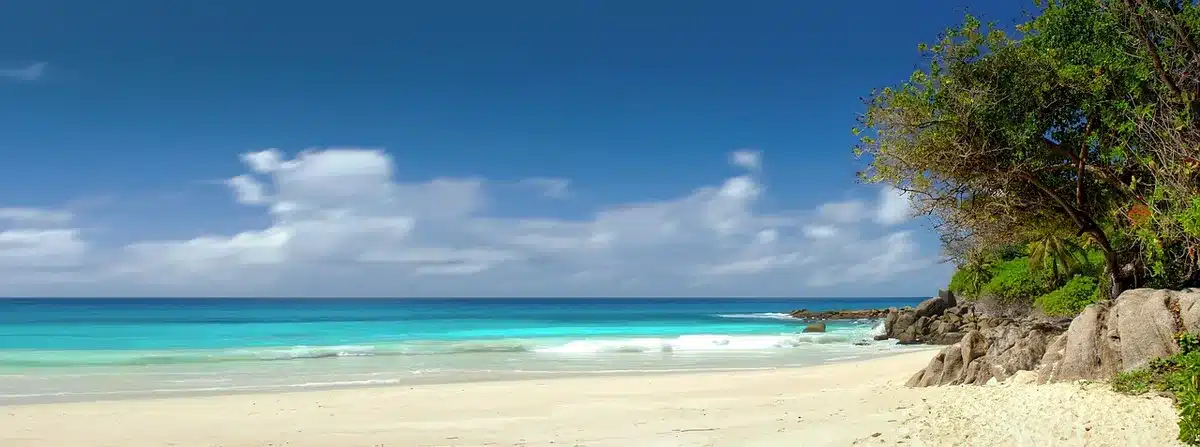
Faro faces the Ria Formosa, a protected saltwater lagoon that shelters a string of barrier islands. These islands are different from the cliff-lined beaches elsewhere in the Algarve.
How to reach the sand
- Walk to the marina and take a local ferry through marshes.
- Tickets are inexpensive and the boat ride is scenic.
- Disembark on islands with broad, empty beaches and clear water.
Ilha Deserta, literally “deserted island,” has no hotels or roads — just miles of sand and one solar-powered restaurant. It’s ideal for long, quiet days by the Atlantic.
Fresh seafood, generous portions, and cheap pints
Faro’s culinary identity is tied to the sea. Menus favor fish, shellfish, and dishes rooted in coastal tradition.
Must-try dish
Cataplana is the region’s classic: a sealed copper pan of shellfish, shrimp, and white fish simmered with tomatoes, garlic, and wine. It’s served bubbling and aromatic.
Drinks are notably affordable. Local lagers rarely cost more than a few dollars. Head to neighborhood tascas for the best value and an honest atmosphere.
Typical prices travelers can expect
- Loungers and umbrella on the barrier islands: $20–$25 per pair when clubs operate
- Takeaway snack (bifana or pastel de nata): $2–$4
- Pizza or casual meal: $8–$15
- Main seafood plate: $12–$22
- Three-course meal with wine (mid-range): $30–$50
- Higher-end dining: around $100 per person
- Budget guesthouse (double): $60–$85 per night
- 3-star hotel: $100–$140 per night
- 4-star hotel: $140–$220 per night
- Local ferry or bus ticket: $2–$5
- Museum or monument entry: $3–$10
- Metered taxi: roughly $2–$3 per mile plus base charges
Practical tips for booking and visiting Faro
- Opt for the direct flight from Newark to save travel hours.
- Book a room inside the old town to stay immersed in local life.
- Take a day trip to Ilha Deserta for untouched beaches.
- Try small neighborhood restaurants for better prices and fresher seafood.
- Bring cash for tiny tascas, though cards are widely accepted.