Show summary Hide summary
A Fox News host’s on-air dismissal of service members who raised concerns about life aboard the USS Lincoln has ignited a sharp public reaction. The exchange has renewed scrutiny over living conditions on U.S. Navy ships, the media’s treatment of military personnel, and how leaders respond when sailors speak up.
How the controversy began: complaints from sailors on the USS Lincoln
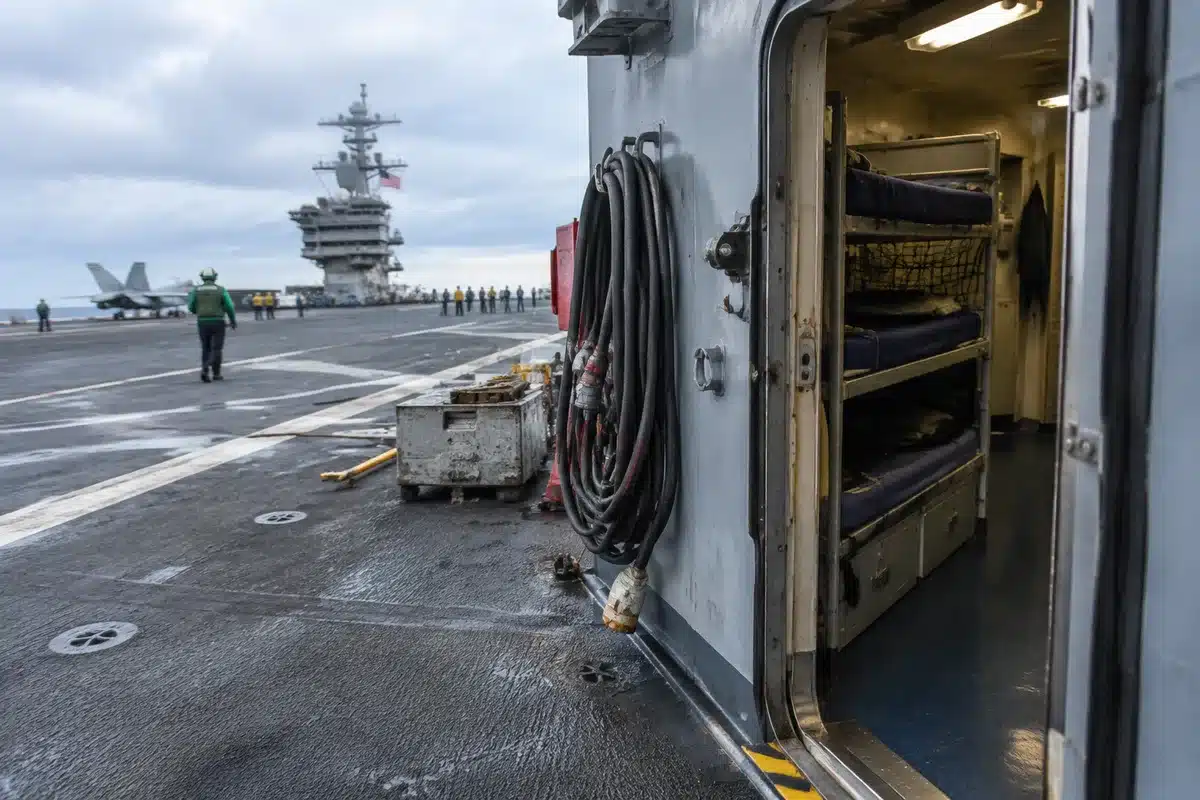
Sailors reportedly described substandard conditions on the aircraft carrier, alleging issues that affected daily life and readiness. Accounts shared online and with local outlets pointed to persistent maintenance problems, sanitary concerns, and overcrowded spaces.
Fully walkable European cities: top 5 you can explore in one day
Mormon Wives star slammed for posing with kids in JFK assassination Halloween costume
- Allegations included mold, pest infestations, and water leaks.
- Some crew members said HVAC failures and poor ventilation made living quarters uncomfortable.
- Personal accounts claimed delays in repairs and limited access to basic supplies.
Such complaints, when tied to mission-capable vessels, often raise questions about resource allocation and ship maintenance across the fleet.
On-air comments that fueled backlash
During a segment about the sailors’ statements, a Fox News host characterized the complaints as evidence of weakness. The words used dismissed the crew’s concerns and framed them as a lack of toughness rather than potentially valid problems.
Critics said the remarks minimized the lived experience of service members. Supporters of the host argued the comments defended military standards and resilience.
Public and political reaction: swift and divided
The host’s words quickly became a focal point on social media and in political debate.
Veterans and veterans groups
- Several veterans and advocacy organizations called the comments disrespectful to active duty personnel.
- They urged investigations into the reported shipboard problems rather than dismissive rhetoric.
Lawmakers and oversight
- Some members of Congress demanded briefings and clarified that troop welfare affects readiness.
- Others defended free speech and critiqued what they called media sensationalism.
The split reaction highlights how military issues can become polarizing when discussed in prime-time media.
Official response and next steps for the Navy
When complaints surface publicly, the Navy typically reviews conditions and schedules inspections. Ship maintenance logs, supply records, and command-level reports are often examined.

- Naval leadership can order immediate repairs or reassign resources.
- Investigations may include interviews with crew and technical assessments.
- Findings can trigger broader policy reviews for maintenance and housing standards.
Stakeholders say swift action is essential to address health and safety risks and to reassure personnel that their concerns will be taken seriously.
Why this episode matters beyond headlines
At stake are more than a television moment. The incident touches on shipboard morale, retention, and the public’s faith in how the military is supported.
- Morale: Perceived neglect can worsen retention problems and lower unit cohesion.
- Readiness: Physical ship conditions impact mission capability.
- Public trust: Media frames influence how civilians view military institutions.
The debate also underscores the tension between freewheeling commentary on cable news and the lived realities of service members.
What to watch for next
Observers will be looking for several developments that could shape the narrative.
- Any formal Navy report on conditions aboard the USS Lincoln.
- Responses from veteran organizations and military families.
- Follow-up coverage by mainstream outlets and congressional inquiries.
How the Navy and the media handle the follow-up will influence whether this episode prompts concrete fixes or fades as another partisan flashpoint.