Show summary Hide summary
- Why social platforms flagged the Musk documentary ads
- From small box office returns to a PVOD reset
- PVOD pre-orders spike and what that means for revenue
- Inside the distributor’s fight over ad approvals
- Theater logistics: why a nearly four-hour film is a tough sell
- Legal letters, Musk’s political donations, and public perception
- Streaming prospects and ongoing talks with HBO
- What this episode signals about content moderation and free expression
Interest in Alex Gibney’s sprawling profile of Elon Musk has shifted dramatically from theaters to home screens. After a lackluster theatrical run, the film’s digital pre-sales have surged, sparking fresh debate about platform moderation, advertising rules and the future of politically charged documentaries.
Why social platforms flagged the Musk documentary ads
The film’s marketing ran into repeated friction with major tech companies. Trailers and paid promotions were removed or restricted across platforms, often with explanations later called errors.
Savannah Guthrie begs for answers about missing mom: we cannot move forward
Netflix to give Joel Coen’s gothic mystery Jack of Spades a theatrical release in 2027

- Meta and YouTube briefly pulled paid trailers, then reinstated them and labeled the takedowns mistakes.
- TikTok suspended the movie’s account for two days, citing rules about paid promotion of political content.
- X (formerly Twitter) offered no cooperation for the distributor’s ad campaign.
From small box office returns to a PVOD reset
The three-week theatrical run fell well short of expectations. With total ticket sales barely into six figures, the distributor opted to accelerate the home-video window.
- The film earned roughly $672,000 in its first three weeks.
- Bleecker Street moved the PVOD release up to November 6, from a later November slot.
- The digital version includes a slightly extended cut not available in theaters.
PVOD pre-orders spike and what that means for revenue
Once the film was announced for early digital release, pre-sale activity climbed sharply. On Apple’s platform, the documentary landed among the top purchases.
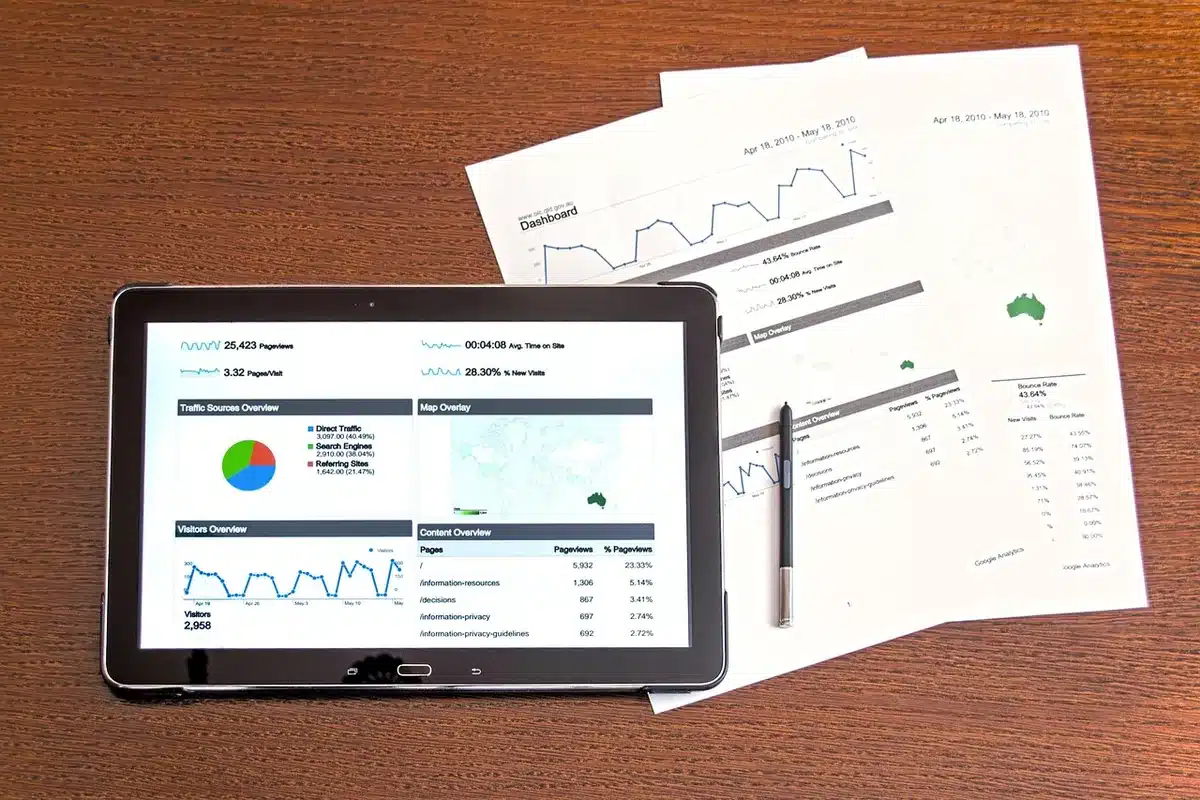
- At $20 a rental, pre-orders outpaced other new releases on Apple.
- Distributor executives called the pre-sale numbers unusually robust for a documentary.
Inside the distributor’s fight over ad approvals
Kent Sanderson, CEO of Bleecker Street, described a campaign hampered by recurring content removals. His team repeatedly edited promos to meet platform rules.
Repeated removals and unclear reviews
- Trailers were altered to remove footage tied to political events, yet still drew flags.
- Images and posters often cleared moderation, while videos faced the most scrutiny.
- Sanderson called the process frustrating and opaque, and said the timing of suspensions hurt opening-weekend performance.
Theater logistics: why a nearly four-hour film is a tough sell
A four-hour runtime presents real challenges for cinemas. Exhibitors must decide whether to program a long feature at the expense of other new releases.
- Long runtimes reduce the number of daily screenings.
- Competing openings that weekend included several genre films and another documentary expanding widely.
- Bleecker says theaters were willing to show the film, but maintaining screens week to week is difficult.
Legal letters, Musk’s political donations, and public perception
Coverage about Elon Musk’s political contributions added context to the conversation, though the film itself is not structured as a partisan polemic. The distributor confirmed they received a legal letter from Musk’s lawyer.
- Recent reporting highlighted large donations Musk made to Republican causes ahead of midterms.
- Bleecker Street said Musk has not contacted the distributor directly about the film.
Streaming prospects and ongoing talks with HBO
Despite industry chatter about ownership links and investments, Bleecker Street says conversations about streaming are ongoing and straightforward.
- The studio is in talks with HBO and HBO Max for a future streaming window.
- Executives deny any resistance from those streamers at this stage.
What this episode signals about content moderation and free expression
The ad removals and account suspensions have prompted broader debate about who should police political and sensitive content. Bleecker Street sees the matter as larger than any single release.
- Distributors argue platforms are making complex editorial calls without transparent rules.
- Groups and creators say moderation practices can have real business consequences.
- Industry observers warn that inconsistent enforcement may chill distribution and promotion of documentary films.