Show summary Hide summary
- Quebec City, Quebec — A French fortress in the heart of North America
- Guanajuato, Mexico — Colorful alleys and dramatic hillside vistas
- San Miguel de Allende, Mexico — Colonial elegance with an artist’s soul
- Leavenworth, Washington — Bavarian kitsch set among Cascades
- Solvang, California — Danish pastries and windmills in wine country
- Carmel‑by‑the‑Sea, California — Storybook cottages and coastal charm
- Victoria, British Columbia — British refinement on the Pacific coast
- St. Augustine, Florida — Spanish soul and centuries of architecture
- Lunenburg, Nova Scotia — A painted harbor town frozen in maritime time
- Ouray, Colorado — Alpine canyons and Victorian mining charm
You can get an old‑world stroll without packing a passport for Europe. Across North America, towns and small cities recreate cobblestones, castles, and cozy squares. Here are ten places where the architecture, food, and atmosphere feel like stepping off a European train — and all are easy to reach from major airports.
Quebec City, Quebec — A French fortress in the heart of North America
Quick facts
Khloe Kardashian slams ex Lamar Odom: calls marriage a scam
Marlon Jackson reveals secret stage 4 prostate cancer diagnosis
- European twin: Historic French alpine town
- How to arrive: Fly to Québec City (YQB) or land in Montreal and take a scenic train
- What it feels like: Narrow lanes, stone facades, and a skyline crowned by Château Frontenac
- Budget note: Prices are reasonable for U.S. travelers thanks to the exchange rate
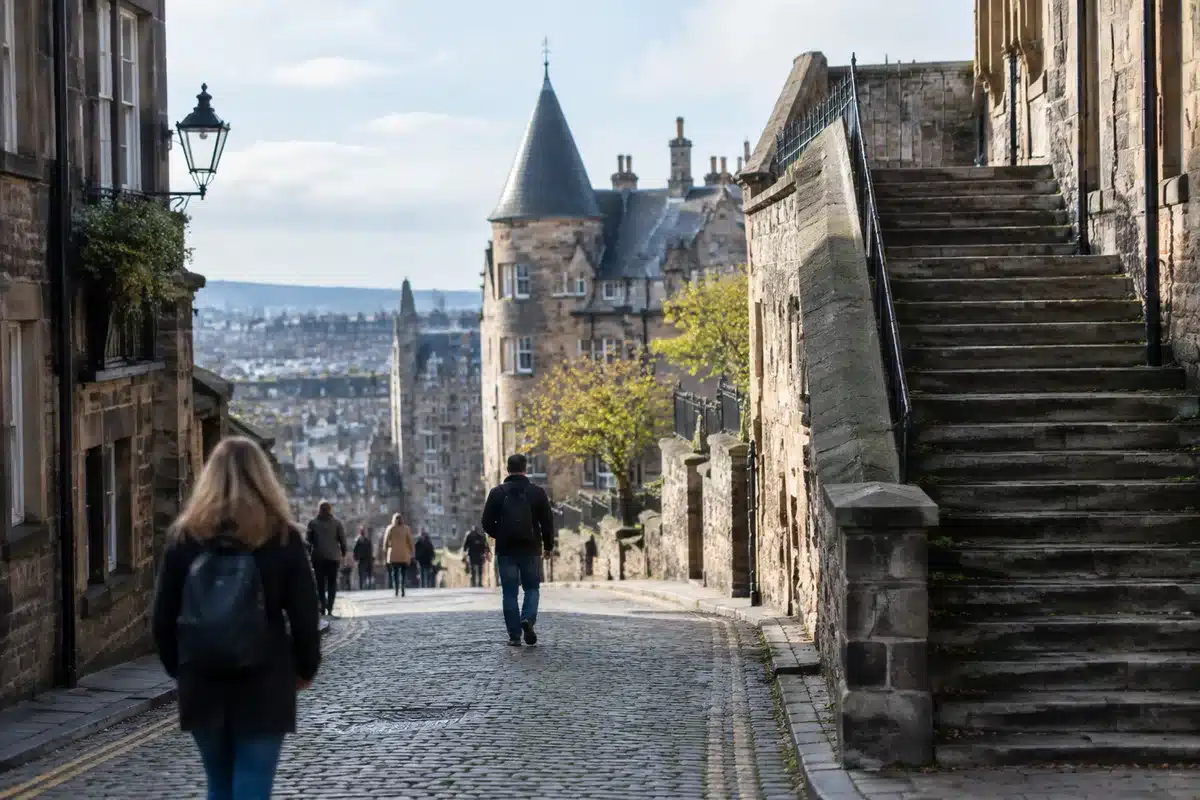
Walk through Old Québec and you’ll find defensive walls, centuries‑old masonry, and shopfronts that echo France. Street life centers on small plazas and pâtisseries. In winter, the city’s steep cobbles and snowy hills create a romantic, cinematic setting.
Local tip: Pack sturdy boots. The old streets are charming but uneven, especially in icy weather.
Guanajuato, Mexico — Colorful alleys and dramatic hillside vistas
Quick facts
- European twin: Italian or Spanish hill town
- How to arrive: Fly into León (BJX) and drive about 30 minutes
- What it feels like: Stepped neighborhoods, Baroque architecture, and a lively arts scene
- Budget note: Very affordable for hotels and dining
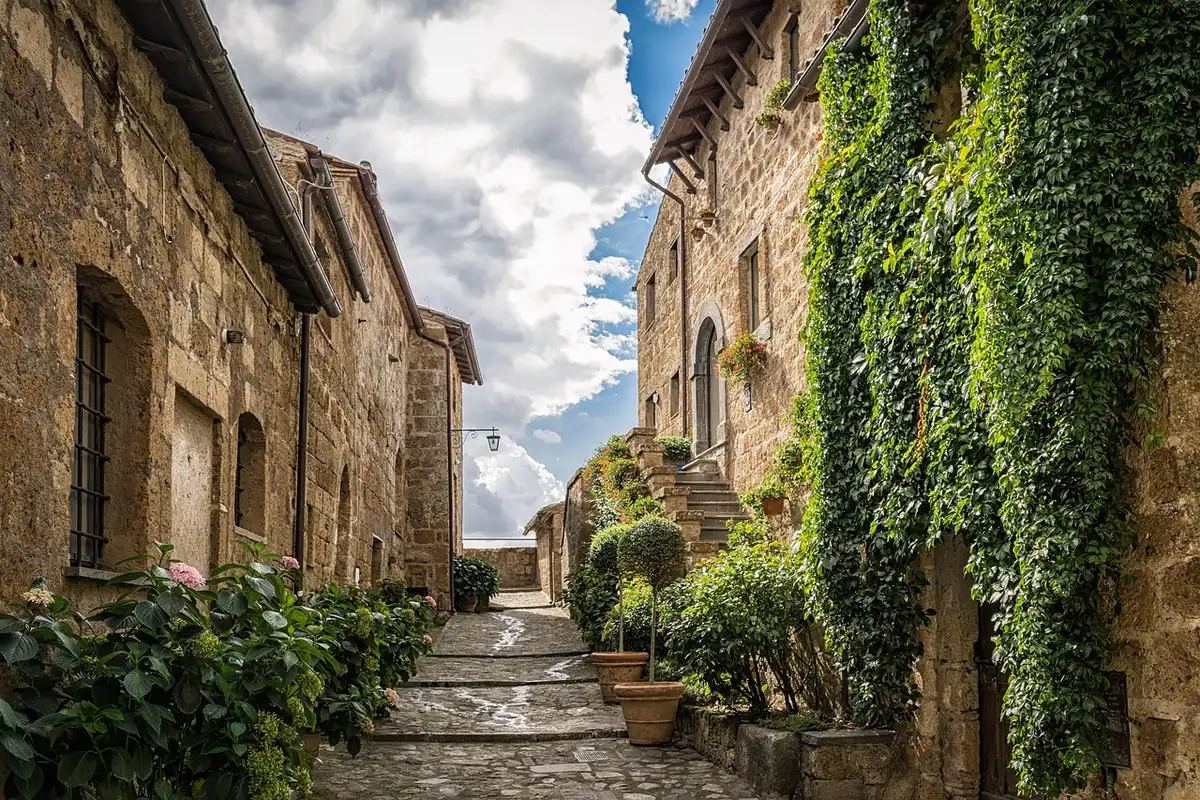
This former silver‑mining center climbs the valley walls in tiers of painted houses. Subterranean streets and narrow plazas give it the intimacy of an old European village. Public art and music festivals animate the winding lanes.
Local tip: Ride the funicular at sunset to catch sweeping views as city lights appear.
San Miguel de Allende, Mexico — Colonial elegance with an artist’s soul
Quick facts
- European twin: Central Spain’s historic towns
- How to arrive: Fly to Querétaro (QRO) or León (BJX) then shuttle
- What it feels like: Courtyards, galleries, and a striking pink neo‑Gothic church
- Budget note: Upscale; popular with internationals and expats
Stone courtyards, carved doors, and tightly packed colonial blocks make San Miguel feel curated for slow wandering. The Parroquia’s spires dominate the town center and provide an instant postcard moment.
Local tip: Find a rooftop bar before dusk for a skyline view of the Parroquia as it lights up.
Leavenworth, Washington — Bavarian kitsch set among Cascades
Quick facts
- European twin: Bavarian mountain villages
- How to arrive: Fly to Seattle (SEA) and drive through the Cascade passes
- What it feels like: Timber‑framed storefronts, beer halls, and alpine backdrops
- Budget note: Moderate; rates spike during winter festivals
The town reimagined itself with Bavarian façades in the 1960s. Today it leans into lederhosen, live oompah bands, and mulled wine. Surrounding trails and slopes add a genuine mountain feeling to the themed streets.
Local tip: Visit during the winter light festivals for dramatic atmosphere and seasonal treats.
Solvang, California — Danish pastries and windmills in wine country
Quick facts
- European twin: Danish countryside village
- How to arrive: Fly to Santa Barbara (SBA) and drive about 45 minutes
- What it feels like: Half‑timbered buildings, bakeries, and relaxed cycling routes
- Budget note: Moderate; it shares costs with nearby vineyards
Solvang was founded by Danish settlers and still sells traditional pastries and marzipan. Painted windmills and boutique shops create a compact, walkable village atmosphere that pairs well with local wine tours.
Local tip: Rent an e‑bike to cover both the village and nearby tasting rooms with ease.
Carmel‑by‑the‑Sea, California — Storybook cottages and coastal charm
Quick facts
- European twin: English Cotswolds
- How to arrive: Fly to Monterey (MRY) or San Jose (SJC) and drive
- What it feels like: Tudor cottages, secret gardens, and a dramatic shoreline
- Budget note: High; boutique lodging commands premium rates
Stone pathways and low‑slung cottages give Carmel a fairy‑tale look. The town prioritizes small‑scale charm over big development, and its beach is famously dog‑friendly and scenic.
Local tip: Bring your dog or visit early to watch locals stroll the white sand before crowds arrive.
Victoria, British Columbia — British refinement on the Pacific coast
Quick facts
- European twin: London and classic British colonial ports
- How to arrive: Fly to Victoria (YYJ) or ferry from Vancouver or Seattle
- What it feels like: Tea rooms, manicured gardens, and stately harbor views
- Budget note: Moderate
Victoria blends colonial architecture with seaside promenades. Afternoon tea, tidy public gardens, and the Parliament buildings give it a formal, Old World edge by the water.
Local tip: Skip the big hotel teas and try a cozy waterfront pub for fish and chips and a local beer.
St. Augustine, Florida — Spanish soul and centuries of architecture
Quick facts
- European twin: Southern Spanish towns
- How to arrive: Fly to Jacksonville (JAX) and drive about an hour
- What it feels like: Forts, narrow brick lanes, and colonial relics
- Budget note: Moderate
Founded in the 1500s, St. Augustine retains layered Spanish influences. Castillo de San Marcos stands as a living piece of history, while cobbled streets and hidden courtyards reward early exploration.
Local tip: Stroll St. George Street at dawn to enjoy the architecture before tour groups arrive.
Lunenburg, Nova Scotia — A painted harbor town frozen in maritime time
Quick facts
- European twin: 18th‑century British fishing villages
- How to arrive: Fly to Halifax (YHZ) and drive the coastal road
- What it feels like: Colorful wooden buildings, historic ships, and seafood culture
- Budget note: Low to moderate
This UNESCO port town showcases bright clapboard houses and a working harbor with tall ships. The town has kept a strong maritime identity and a relaxed, historic pace.
Local tip: Eat scallops at a dockside café for the freshest local flavor.
Ouray, Colorado — Alpine canyons and Victorian mining charm
Quick facts
- European twin: Swiss alpine villages
- How to arrive: Fly to Montrose (MTJ) and drive into the mountains
- What it feels like: Steep canyon walls, Victorian storefronts, and hot springs
- Budget note: Moderate
Set in a jagged canyon, Ouray pairs classic mountain architecture with dramatic peaks. Outdoor activities include hiking, ice climbing, and soaking in natural hot springs.
Local tip: After a day on the trails, unwind in the hot springs while snow‑capped cliffs rise around you.