Show summary Hide summary
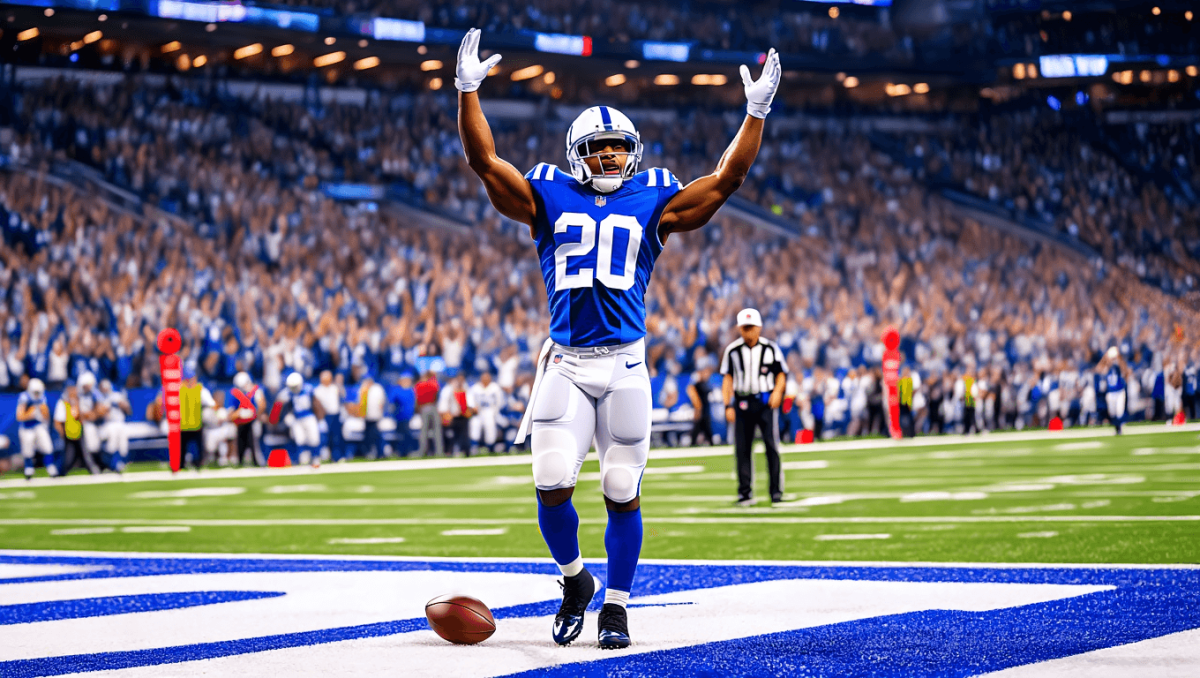
The Indianapolis Colts survived a tense overtime battle with the Atlanta Falcons, 31-25, when Jonathan Taylor plunged into the end zone for the decisive touchdown. The win pushed Indianapolis to 8-2 and preserved momentum for a high-powered offense that has dazzled most of the season. Yet the victory also exposed cracks up front that could haunt the team if left unaddressed.
How Jonathan Taylor finished the job in overtime
Taylor’s game-winner was a reminder of why he is central to the Colts’ identity. He has been a down-to-down force and still is the team’s most reliable playmaker in short-yardage and goal-line situations. The running game has regularly set the tone, and Taylor’s OT touchdown was a classic example of grinding out yards when it mattered.
Sophia Laforteza of Katseye announces hiatus: comes months after Manon Bannerman’s exit
Delta to return to Tokyo Narita hub in 2027: 7-year comeback
Taylor’s goal-line success kept the Colts’ offense alive. But that moment also masked problems that surfaced earlier in the game.
Offensive line: from strength to concern
For much of the season, Indianapolis’ offensive line has been a quiet strength. They helped create space for the run and provided time for quick throws. Over the last two games, however, that reliability faded.
- Sacks allowed: The Colts surrendered 12 sacks in back-to-back games versus Pittsburgh and Atlanta.
- Edge protection has weakened, making quarterbacks feel pressure on obvious passing downs.
- Individual linemen who were steady earlier have shown lapses in technique and timing.
Young edge rushers uncover a weakness
Fresh talent on defense made life difficult for the Colts’ tackles. James Pearce Jr. and Jalon Walker gave repeated problems with speed and angles. That surge exposed inconsistencies from both Braden Smith and Bernhard Raimann.
When opponents successfully slow the run, as Pittsburgh did, the game plan shifts. If the Colts can’t stop edge pressure, teams will increasingly attack in predictable passing situations.
Blitz pickup and communication issues
Beyond one-on-one matchups, protection breakdowns have cropped up in blitz scenarios. Missed assignments and miscommunication between center and quarterback have been factors. On other plays, it’s simply a matter of players not executing their roles.
Blitzes can create quick, damaging turnovers. If the offensive line can’t coordinate picks and slide calls consistently, leaks will appear across the front.
Immediate fixes and what to watch next
The Colts have options to shore things up. Some fixes are schematic. Others require better fundamentals from the linemen.
- Increase quick-passing concepts to neutralize speed rushers.
- Use chip blocking and max protection on clear passing downs.
- Emphasize technique work for tackles with footwork and hand placement.
- Improve communication protocols for protection calls pre-snap.
Coaches may also rotate linemen more to keep fresh bodies against younger, energetic edge rushers. Watching snap counts and matchups will be key in upcoming games.
What the pressure problems mean for the Colts’ offense
The Colts still rank among the league’s most productive attacks. They average more than 30 points per game. But sustained pressure can disrupt play-action and dropback passing. It can also sap confidence from an offensive line that had been elite.
- Predictability: If opponents focus on stopping the run, the Colts could become one-dimensional.
- Quarterback risks: More sacks increase turnover and injury risk.
- Game-plan adjustments: Opponents will design more blitzes and stunt packages to exploit cracks.
Fixing protection now is vital. Otherwise, future opponents will scheme specifically to replicate what the Steelers and Falcons achieved.
Players to monitor and coaching decisions ahead
Attention will fall to Smith and Raimann, plus offensive-line coaches who must adapt. Jonathan Taylor’s workload and the passing game’s tempo will also be factors.
- Braden Smith — needs to regain early-season form.
- Bernhard Raimann — must tighten technique against speed.
- Quarterback — must manage protections and make quicker reads.
- Coaching staff — will need to mix protections and plan for more blitz-heavy looks.
How quickly the Colts respond will shape whether this is a temporary bump or a lingering vulnerability other teams will exploit.