Show summary Hide summary
If you want turquoise water and warm sand without the crowds, there are smart alternatives to the usual Mexican Caribbean spots. These islands offer authentic local culture, quieter beaches and direct flights from the United States. Here are three underrated Caribbean destinations that combine convenience with a more grounded island experience.
Why pick off-the-beaten-path Caribbean islands
Many travelers choose lesser-known islands to avoid tourist bubbles. You’ll find more local life, smaller boutique hotels, and a slower pace.
Sophia Laforteza of Katseye announces hiatus: comes months after Manon Bannerman’s exit
Delta to return to Tokyo Narita hub in 2027: 7-year comeback
- Less crowded beaches and attractions.
- More opportunities to meet locals and sample authentic food.
- Often lower prices for tours and dining.
- Direct flights from the U.S. make travel easier than you might expect.
La Romana, Dominican Republic — relaxed vibes near resort comfort
What La Romana feels like
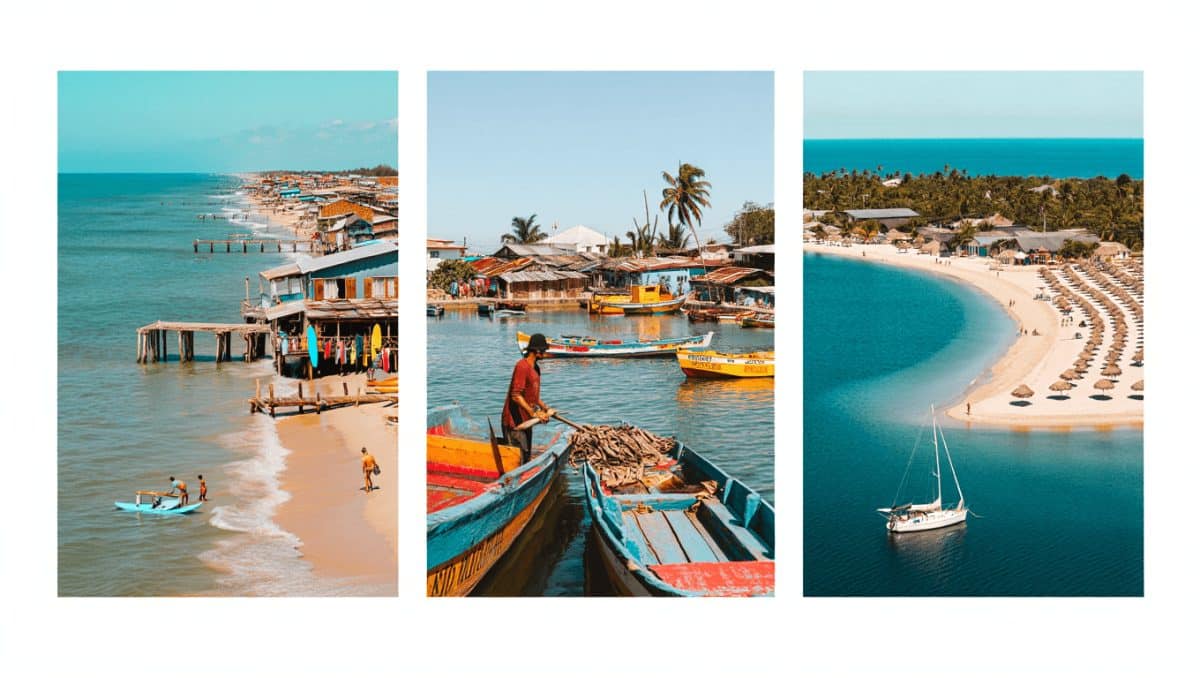
La Romana blends resort enclaves and raw neighborhood life. You can switch from a surf-side luxury hotel to lively public beaches in minutes. Local markets and street music give the town character.
Safety for American visitors
The U.S. classifies the Dominican Republic as a Level 2 travel advisory: exercise increased caution. That advice typically means avoiding risky neighborhoods, keeping a low profile with valuables, and being alert at ATMs.
Still, tourist zones such as Bayahibe and Casa de Campo usually have a visible police presence and staff used to international guests. Serious violent crime against visitors in these areas is uncommon, though petty theft and opportunistic robbery do occur.
Local experiences and tips
- Visit Caleta and other public beaches to hear local music and watch community life unfold.
- Try street food and fresh fruit in town squares.
- Carry small pesos to tip buskers and servers.
- Stay aware of your surroundings after dark and avoid isolated streets.
Flights and access
La Romana (LRM) can be reached by nonstop flights from several U.S. cities at certain times of year. Booking early helps secure the best schedules and prices.
Roatán, Honduras — a quiet island for divers and nature lovers
The island’s character
Roatán feels like a compact paradise. It serves up clear reefs, simple beachfront boutique hotels, and small fishing villages. The island moves at a gentle pace.
West End Village is a highlight: colorful homes, kiosks selling fresh seafood, and a convivial, barefoot vibe.
Safety snapshot for Americans
Honduras overall appears on the U.S. list as a Level 3 destination, meaning travelers should reconsider travel because of higher crime rates. That label mostly applies to the mainland.
On Roatán, however, conditions differ. The island benefits from a stronger focus on tourist safety and a higher concentration of resources. Petty theft and theft from vehicles happen, but violent crime against tourists is rare. Roatán is generally considered safer than much of mainland Honduras.
How to enjoy Roatán safely
- Lock valuables in hotel safes and never leave belongings unattended on beaches.
- Avoid showing expensive jewelry or electronics in public.
- Be cautious with rental cars and secure items out of sight.
- Respect local customs and don’t wander into unfamiliar neighborhoods at night.
Getting there: nonstop flight options
Roatán’s Juan Manuel Gálvez Airport (RTB) receives seasonal and year-round nonstop flights from selected U.S. airports. Plan connections and check schedules ahead of time.
Guadeloupe, French Caribbean — Euro-flavored island life
Landscape and culture
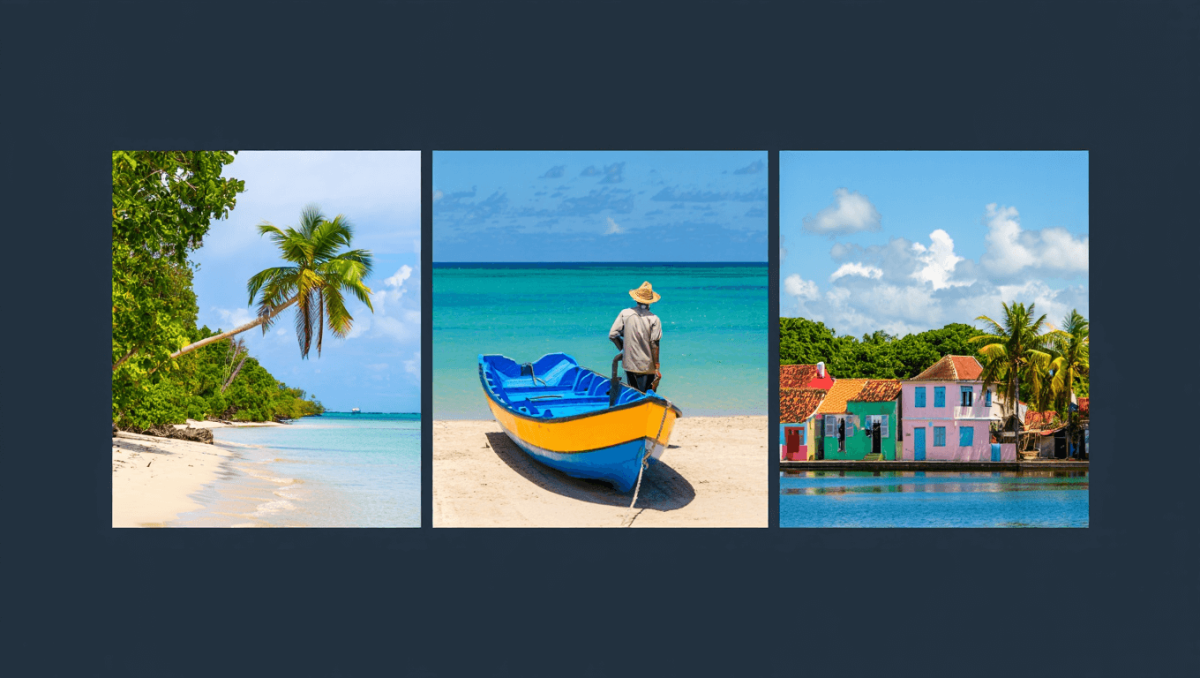
Guadeloupe mixes French culture with Creole traditions. It spans volcanic Basse-Terre and flat, sandy Grande-Terre, so you can hike rainforest trails in the morning and relax on white-sand beaches in the afternoon.
Pointe-à-Pitre offers spice markets, colonial architecture, and lively street life. The two main islands are linked by frequent ferries.
Safety for U.S. travelers
As an overseas region of France, Guadeloupe benefits from the same legal and policing framework as mainland France. The U.S. places Guadeloupe at Level 1, indicating it is a low-risk destination for American travelers. Violent crime targeting tourists is rare.
What to pack and how to plan
- Bring euros and a debit card that works in France; many places also accept cards.
- Pack hiking shoes for Basse-Terre’s trails and reef-safe sunscreen for beaches.
- Try Guadeloupéan dishes such as colombo and explore local markets for spices and seafood.
Direct air connections
Pointe-à-Pitre International Airport (PTP) offers nonstop flights from some U.S. cities. Flights can be seasonal, so check carriers and book in advance for the best options.
Practical safety rules for any Caribbean trip
- Register travel plans: Consider the U.S. State Department’s STEP program for safety updates.
- Use hotel safes for passports and extra cash.
- Avoid isolated areas at night, even in normally safe towns.
- Keep emergency contacts and health insurance info handy.
- Respect local laws and customs to reduce risk and enjoy better interactions with residents.